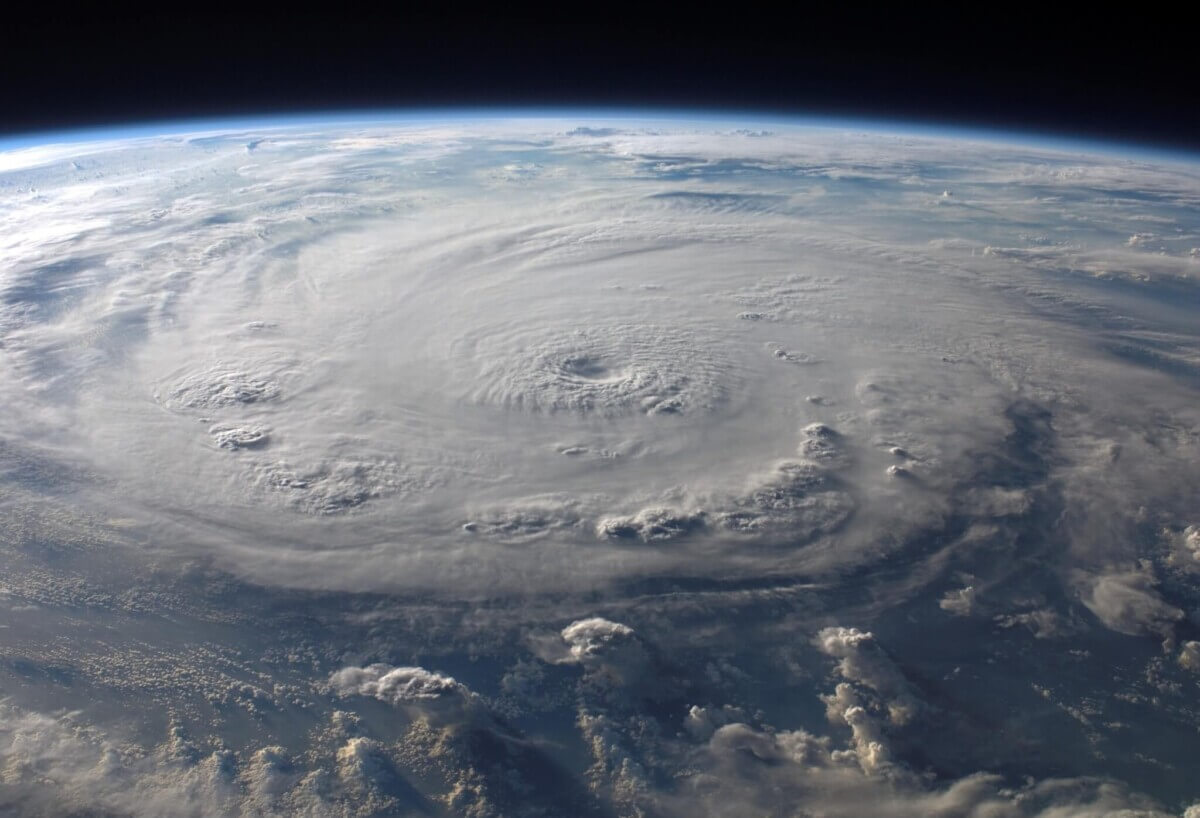
This southern migration of hurricane geneses is due to rising temperatures from global warming. (Photo from WikiImages on pexels.com)
RICHLAND, Wash. — There’s a concerning new trend developing along the U.S. Atlantic Coast — rapidly intensifying hurricanes. A study by researchers at the Department of Energy’s Pacific Northwest National Laboratory attributes the increase in severe storms to environmental conditions exacerbated by climate change. As the planet warms, scientists say hurricanes are projected to only get bigger, posing an even greater risk of flooding along the coast.
“Our findings have profound implications for coastal residents, decision- and policy-makers,” says climate scientist Karthik Balaguru in a media release. “And this isn’t specific only to the Atlantic. It’s happening in several prominent coastal regions across the world.”
The study identified a unique coastal phenomenon that plays a crucial role in the surge of hurricane activity. It involves a combination of hurricane-favoring conditions arising from the divergent warming patterns between land and sea. As greenhouse gas emissions trap heat, land surfaces warm at a faster rate than the ocean. This temperature discrepancy creates stronger storms by generating low-pressure areas over the warmer land and higher-pressure areas over the cooler sea. The resulting cyclonic winds, guided by Earth’s rotation, promote the spinning motion of air known as “vorticity.”
The rising vorticity leads to the upward movement of humid air, a key component of hurricane development. Hurricanes act as “heat engines,” drawing in warm, moist air and converting its energy into destructive winds. The condensation of water vapor within the hurricane’s core releases heat, fueling the storm’s growth. Climate change intensifies this process by amplifying the temperature difference between land and sea and increasing sea surface temperatures, contributing to greater humidity.
The study also highlighted the weakening of vertical wind shear, which injects dry air into hurricanes, hindering their intensification. Over the past four decades, the weakening wind shear along the U.S. Atlantic Coast has exacerbated the problem, making the nearshore environment increasingly favorable for hurricane formation and intensification.
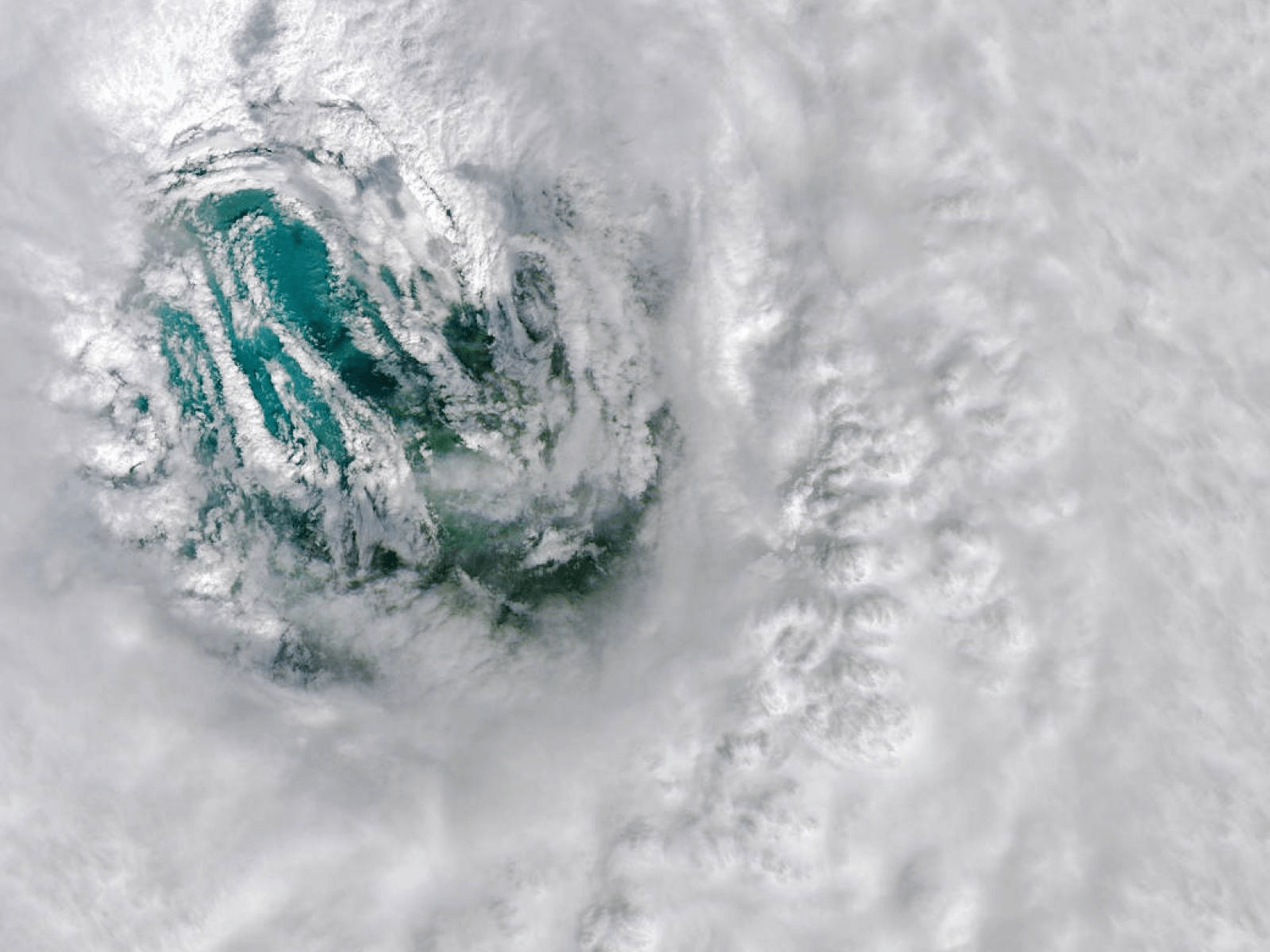
To understand the role of climate change in shaping these conditions, the researchers utilized models to project future outcomes based on a fossil-fuel-dependent world economy. Their findings indicate that the same conditions will continue to favor storm development, leading to even wetter and faster-developing hurricanes throughout the century. Factors such as wind shear, atmospheric humidity, and nearshore vorticity are expected to strengthen, while potential intensity, denoting a storm’s maximum sustained intensity, will increase.
The study’s results are consistent across multiple climate models, confirming the influence of climate change on these hurricane-favoring conditions. While natural variability still plays a role, the signal of climate change remains prominent. These stark land-sea temperature differences are likely to occur in other coastal areas, potentially impacting populations worldwide.
The implications extend beyond hurricane activity, affecting factors such as aridity over land and changes in precipitation seasonality. The study emphasizes the importance of addressing climate change and its consequences to protect vulnerable coastal regions and populations.
The researchers say this study, supported by the U.S. Department of Energy, highlights the urgency of climate action and the need for proactive measures to mitigate the intensifying threat of hurricanes. As the world faces the growing impact of climate change, understanding its effects on extreme weather events is crucial for developing resilient communities and safeguarding lives and livelihoods.
The study is published in the journal Geophysical Research Letters.


