(© shidlovski - stock.adobe.com)
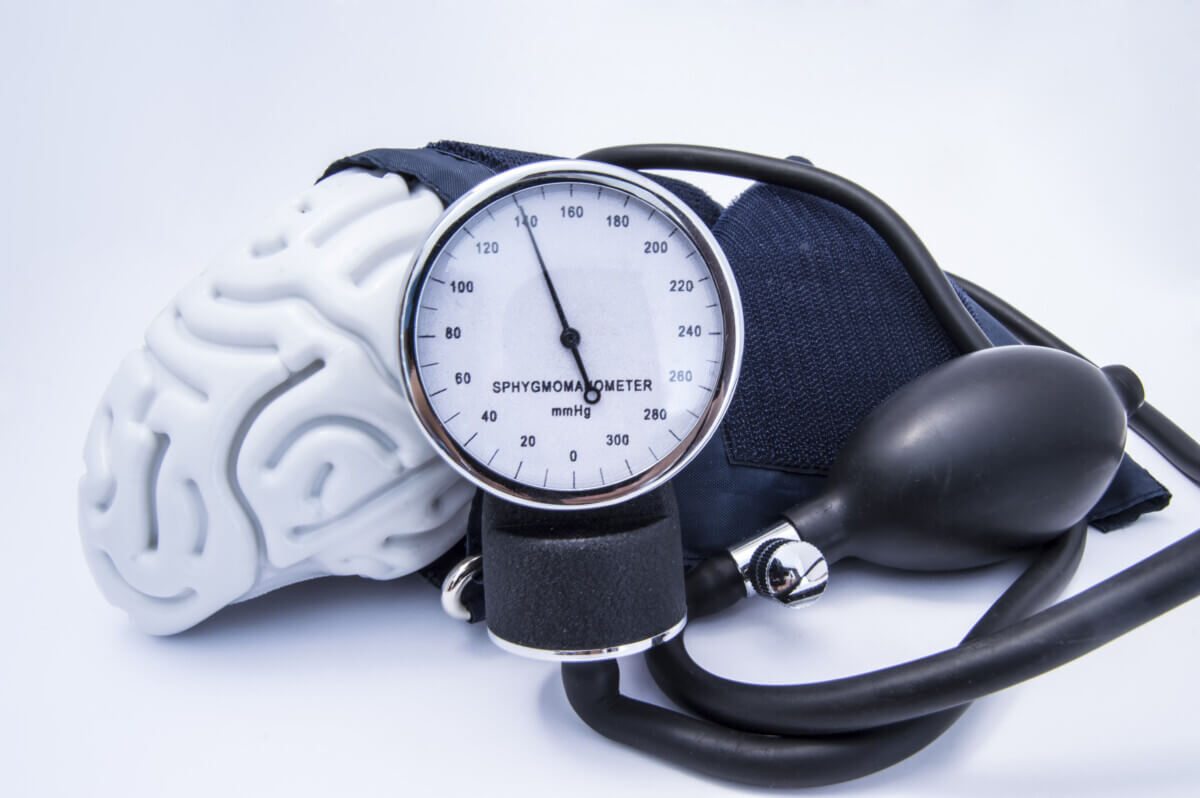
MINNEAPOLIS – One of the most common symptoms of Alzheimer’s is memory loss during old age, but other subtle signs of the condition can appear years earlier. With that in mind, researchers have recently found a connection between high blood pressure and Alzheimer’s disease.
Published in the American Academy of Neurology’s journal Neurology, the study finds people 60 years and older with untreated cases of high blood pressure carry a greater risk for Alzheimer’s than those without high blood pressure or whose high blood pressure is being treated.
“High blood pressure is a leading cause of stroke and cerebrovascular disease, and yet it can be controlled with medication, reducing a person’s risk of these diseases,” says Dr. Matthew Lennon, a researcher at the University of New South Wales in Australia and lead author of the study, in a media release. “Taking blood pressure medications has also been found in previous research to reduce a person’s risk of dementias overall, but less is known about how blood pressure affects a person’s risk of Alzheimer’s disease. Our meta-analysis looked at older people and found that not treating blood pressure may indeed increase a person’s risk.”
The researchers analyzed the health information collected from 14 studies involving 31,250 people with an average age of 72. These studies looked at the changes in a person’s cognition and if they developed dementia later in life. The participant pool was diverse, representing older adults from Australia, Brazil, China, France, Germany, Greece, Italy, Japan, Korea, Nigeria, the Republic of Congo, Spain, Sweden, and the United States. These participants’ health statuses were tracked for four years. From this group, 1,415 were formally diagnosed with Alzheimer’s disease.
In the current study, the researchers focused on each participant’s blood pressure readings, including whether they had a diagnosis of high blood pressure or were currently taking blood pressure medication. Researchers found that 9% of people had untreated high blood pressure, and 51% were taking blood pressure medication. Over one in three (36%) did not have high blood pressure, and 4% were unsure of their blood pressure status.
After considering variables like a person’s age, biological sex, and education, the researchers noticed an interesting observation. People with untreated high blood pressure had a 36% higher risk for Alzheimer’s compared to people without high blood pressure. Compared to people taking blood pressure medication, those with untreated high blood pressure had a 42% higher chance of developing Alzheimer’s in the future.
While the authors do not know why high blood pressure is associated with Alzheimer’s, the results suggest that managing it is vital for reducing the risk.
“Our meta-analysis that included people from around the world found that taking blood pressure medications was associated with decreased risk of Alzheimer’s disease throughout later life,” Dr. Lennon concludes. “These results suggest that treating high blood pressure as a person ages continues to be a crucial factor in reducing their risk of Alzheimer’s disease.”
Paper Summary
Methodology
This study analyzed data from 14 different long-term studies on aging from various countries, including a total of 31,250 participants aged 60 and older. The researchers looked at two main things:
- How a history of high blood pressure (hypertension) and use of blood pressure medications affected the risk of developing Alzheimer’s disease (AD) and other types of dementia.
- How actual blood pressure readings at the start of the study related to dementia risk.
They used statistical models to account for factors like age, sex, education, and ethnic background. The study also looked at whether these relationships changed based on age, sex, or ethnicity.
Key Results
- People with untreated hypertension had a 36% higher risk of developing Alzheimer’s disease compared to those without hypertension.
- Those with untreated hypertension also had a 42% higher risk of Alzheimer’s compared to those taking blood pressure medication.
- Both treated and untreated hypertension were associated with a higher risk of non-Alzheimer’s dementia.
- A single blood pressure reading at the start of the study wasn’t strongly linked to dementia risk.
- In people followed for more than 5 years, there was a U-shaped relationship between diastolic blood pressure and non-Alzheimer’s dementia risk, meaning both very low and very high readings were associated with higher risk.
Study Limitations
The studies used different criteria for diagnosing dementia, which could lead to inconsistencies. Many participants developed dementia soon after the studies began, suggesting they might have had cognitive problems at the start.
The study didn’t account for deaths, which compete with dementia as an outcome. A single blood pressure reading may not accurately represent a person’s typical blood pressure. There may be other differences between people who do and don’t take blood pressure medications that weren’t accounted for. The study lacked information on specific types of blood pressure medications.
Discussion & Takeaways
Treating high blood pressure appears to be important for reducing Alzheimer’s disease risk, even in older adults. Both treated and untreated high blood pressure are associated with higher risk of non-Alzheimer’s dementia.
A single blood pressure reading isn’t very useful for predicting Alzheimer’s risk. There may be an ideal range for diastolic blood pressure to minimize dementia risk, but more research is needed. The study supports the idea that managing blood pressure is important for brain health in older adults.
Funding & Disclosures
The study was conducted by the Cohort Studies of Memory in an International Consortium (COSMIC) group. It involved researchers from multiple institutions across many countries. The paper doesn’t explicitly state the funding sources in the excerpt provided, but it mentions that some investigators were supported by NIH grants. No specific disclosures or conflicts of interest were mentioned in the given excerpt.


