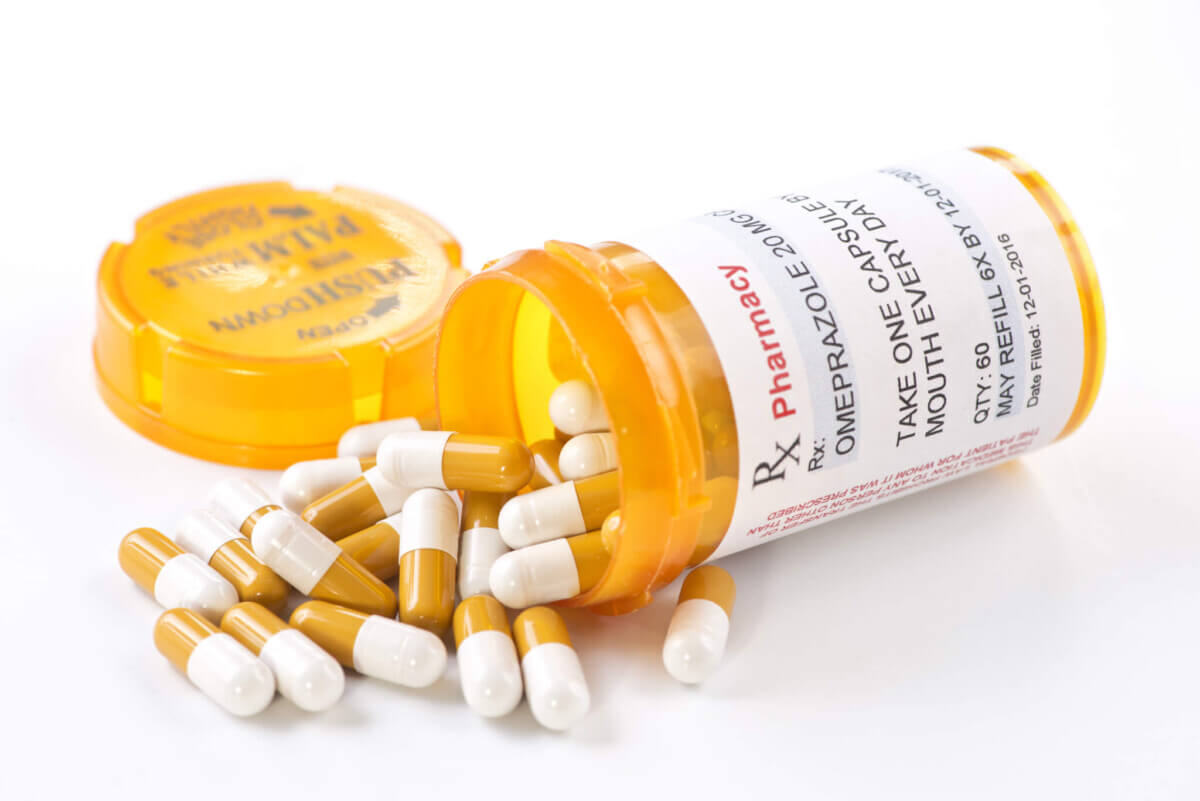
(© Sherry Young - stock.adobe.com)
In A Nutshell
- Rats given omeprazole for 60 days showed blood changes consistent with anemia and disrupted mineral distribution in organs
- Copper levels dropped in the liver while iron accumulated, creating a double problem for red blood cell production
- Calcium patterns suggested bone mobilization to maintain blood levels, potentially weakening skeletal structure
- The findings raise questions about long-term use beyond the recommended short-term treatment window of 4-8 weeks
Millions of Americans reach for the same pill each morning to quiet their acid reflux. Moreover, prescribing data suggests many continue the habit for months or years beyond recommended durations. Now, animal research hints this practice might disrupt minerals needed for healthy blood, strong bones, and proper immune function.
Scientists at the Federal University of São Paulo wanted to know what happens when the body is exposed to the heartburn medication omeprazole (one of the most widely prescribed acid-blocking drugs) continuously over time. They tracked six essential minerals in rats over 60 days and found a cascade of disruptions affecting blood cell production, bone health, and mineral storage throughout the body.
The drug is typically recommended for short-term use, with clinical guidelines often suggesting four to eight weeks for many conditions. The study, published in ACS Omega, tested rats for up to 60 days (the upper end of the short-term window). Yet in practice, chronic use is widespread, with many people taking these pills indefinitely.
When Your Stomach Can’t Do Its Job
Here’s the problem: omeprazole works by dramatically cutting stomach acid production. That provides relief from heartburn and ulcers. But stomach acid does more than cause discomfort. It breaks down food and transforms minerals into forms the body can actually use.
Without enough acid, absorption efficiency drops. Iron and calcium become harder to extract from food. The body starts running low on building blocks it needs for blood, bones, and cellular function.
The rats in this study showed hematologic changes consistent with developing anemia over the 60-day treatment period. Compared to their own baseline, treated rats showed declining red blood cell counts, falling hemoglobin levels, and increasing variation in cell size (a sign the body is struggling to manufacture healthy blood). Iron levels in the bloodstream declined, even as iron accumulated in the liver and spleen.
In people, similar changes might show up as the kind of fatigue that doesn’t go away with rest. Shortness of breath climbing a flight of stairs. Foggy thinking that comes when the brain isn’t getting enough oxygen. Classic anemia symptoms that people might never connect to their heartburn medication.

The Mineral Domino Effect
Researchers uncovered copper levels in the liver plummeted during treatment. This matters because the body needs copper to absorb iron from food. When copper drops, iron absorption is impaired, creating a double whammy that accelerates anemia.
Meanwhile, the body was pulling calcium from its storage vaults. Liver calcium levels dropped sharply in treated rats, while blood calcium actually rose slightly. That pattern is consistent with bone being broken down to maintain blood levels, potentially weakening the skeleton over time.
Separate human research (not part of this study) has found long-term users of these drugs face increased fracture risk. The current rat findings offer one possible biological explanation: the body drawing calcium from bone when dietary absorption becomes impaired.
Magnesium showed abnormal accumulation patterns too. The liver, which doesn’t normally store much magnesium, was hoarding it. Since bones are the body’s primary magnesium warehouse, this unusual redistribution suggests widespread disruption of mineral distribution.
Your Immune System on High Alert
The treated rats showed elevated white blood cell counts, suggesting their immune systems were responding to something. One possibility the researchers discuss is bacterial involvement.
Stomach acid normally serves as a first line of defense, killing bacteria in food before they reach the intestines. Turn off the acid, and bacteria that would normally die may instead multiply and migrate. Previous studies have linked these medications to increased infection risk and disrupted gut bacteria populations, though the exact mechanisms remain unclear.
The spleen (which filters blood and houses immune cells) showed elevated levels of every mineral measured. Copper more than doubled. Magnesium increased roughly 3.5-fold. Iron more than doubled. These accumulations may reflect the organ’s response to altered mineral distribution and immune signaling.
The Catch-22 of Long-Term Use
The researchers used a dose equivalent to standard human prescriptions for 60 days. That’s at the upper end of recommended short-term use, yet many people take these drugs for years without reassessing whether they still need them.
A doctor will often prescribe the drug short-term for an ulcer or severe reflux episode. The patient feels better and keeps refilling. The prescription becomes automatic.
Some people genuinely need long-term acid suppression for conditions like Barrett’s esophagus or severe esophagitis. But many don’t. And even those who do need extended treatment should be monitored, with blood tests to catch developing anemia or mineral deficiencies before symptoms appear.
The challenge is that supplements may not fully solve the problem. When stomach acid is suppressed, the body may struggle to absorb minerals from supplements just as it struggles with food. It’s not just about taking more calcium or iron. The absorption machinery itself may be impaired.
What This Means for You
This was a rat study, so the findings don’t translate directly to humans. But the basic principles of mineral absorption are shared across species. And these results echo concerns raised in prior research about extended use of these drugs and potential effects on anemia, fractures, low magnesium, and kidney problems.
The message isn’t that these medications are dangerous or should be avoided. They’re valuable drugs when used appropriately. The message is that “appropriate use” matters. Short-term relief for specific conditions, not indefinite daily pills.
If you’ve been taking omeprazole or similar drugs for more than a couple months, it’s worth a conversation with your doctor. Do you still need it? Are there alternatives? Should you get blood work to check your mineral levels?
Disclaimer: This article is for informational purposes only and does not constitute medical advice. The research discussed involved animal subjects and findings may not directly translate to humans. Anyone taking omeprazole or other proton pump inhibitors should consult their healthcare provider before making any changes to their medication regimen. Do not stop taking prescribed medications without medical guidance.
Paper Notes
Study Limitations
This research used male Wistar rats as subjects, which limits direct application to humans. The study examined only three time points (10, 30, and 60 days) and used a fixed dose equivalent to standard human prescription levels. Sex-specific effects were not evaluated since only male rats were used. The mechanisms linking omeprazole to immune changes remain unclear and require further investigation. Additionally, the study did not test whether the observed effects reverse after stopping the medication.
Funding and Disclosures
This research was funded by the National Council for Scientific and Technological Development (CNPq) of Brazil, the Brazilian Federal Agency for Support and Evaluation of Graduate Education (CAPES), the National Institute of Science and Technology in Bioanalytics (INCTBio), Financier of Studies and Projects (FINEP), and São Paulo Research Foundation (FAPESP). The authors declared no competing financial interests.
Publication Details
Title: Evaluation of the Long-Term Administration of Proton Pump Inhibitors (PPIs) in the Mineral Nutrient’s Bioavailability | Authors: Andréa Santana de Brito, Angerson Nogueira do Nascimento, Fernando Luiz Affonso Fonseca, Alexandre Minami Fioroto, Giuliana Petri, Rafaela Garcia Vidigal do Nascimento | Journal: ACS Omega, 2025, Volume 10, Pages 56085-56095 | DOI: 10.1021/acsomega.5c07700 | Institution: Federal University of São Paulo, Institute of Environmental, Chemical and Pharmaceutical Sciences; ABC Medical School, Faculty of Medicine of ABC—University Center | Ethics: All procedures followed ethical principles established by the National Council for the Control of Animal Experimentation (CONCEA) and were approved by the Ethics Committee on Animal Use of the Faculty of Medicine of ABC (CEUA-FMABC).


