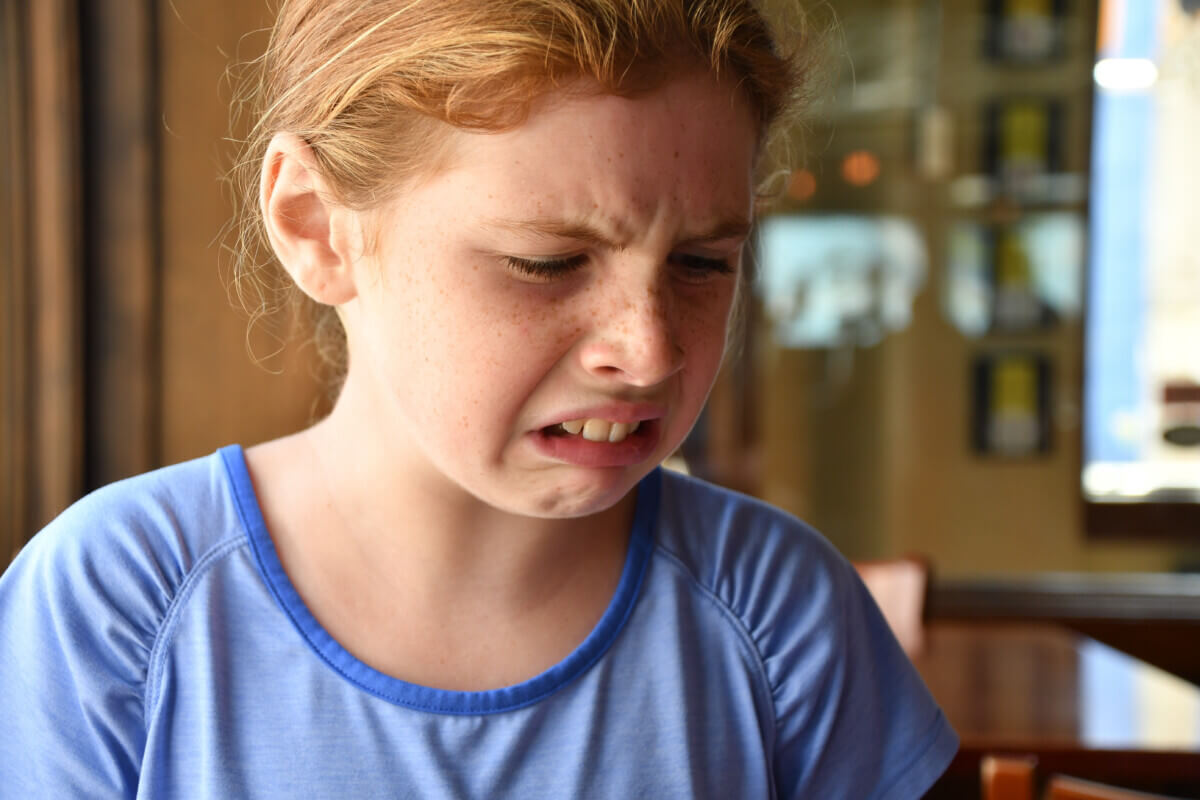
(© SarahJ - stock.adobe.com)
BOSTON — How comfortable would you feel telling your friends, family, and acquaintances that you tested positive for COVID-19? Many coronavirus patients fear they will be stigmatized by other people and looked at as social outcasts. Now, a new study is lending some credence to those fears.
Researchers from Boston College and Franklin & Marshall College have found that natural biases and prejudices against dirty or sick people begin to develop in individuals as young as the age of five. Once these predilections take hold, they usually persist well into adulthood.
To come to their conclusions, the study’s authors conducted three experiments involving 260 people of varying ages. Interestingly, both children and adults’ biases were strongest regarding their similarly aged peers. Furthermore, participants came from both the United States and India, but these results held true across nationalities.
Look, it’s ingrained in our instincts to stay away from germs and disease. That’s why certain substances smell so bad; our bodies are telling us to keep moving. Within the context of COVID-19, though, these findings are somewhat troubling. No one should be ostracized or avoided because they dealt with a coronavirus infection.
“With the exponential increase in the number of confirmed cases of COVID-19, people are increasingly likely to know somebody with the virus,” comments study co-author and Boston College Associate Professor of Psychology Angie Johnston in a media release. “It will be critically important for both children and adults to know to stay away from individuals who are contagious. However, it is possible that the stigma directed toward those who test positive for the coronavirus will last well beyond the course of the illness, and that other, less warranted avoidance tendencies will form and persist.”
According to the research team, these biases toward dirty people can become problematic when they lead to contempt and ridicule towards others who are dirty through no fault of their own, such as the homeless, people who work “dirty jobs,” or even sick patients.
The experiments revealed that both children and adults are much less likely to believe information told to them by dirty or sick individuals. People are also less inclined to assign positive qualities (intelligence, kindness) to sick or dirty people.
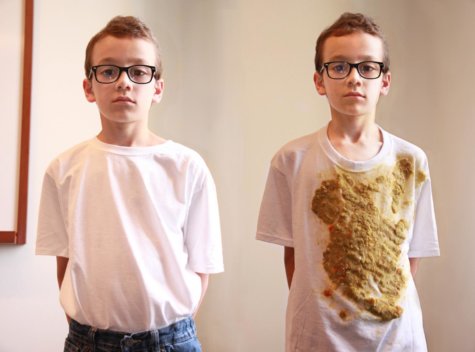
Study participants were shown pictures of identical twins, one looking sharp and clean, and the other in stained, messy clothing complete with a background covered in trash.
“Taken as a whole, these findings suggest that people who are perceived to be dirty will be frequently mistrusted, marginalized, maligned, and misunderstood from an early age,” the study concludes.
“These biases are generally constant across different causes of dirtiness,” comments Joshua Rottman, an Assistant Professor at Franklin & Marshall and study co-author. “There are not clear differences between biases directed toward individuals who are sick versus individuals who are intentionally dirty versus individuals who are accidentally dirty.”
The study is published in the Journal of Experimental Child Psychology.
[fb_follow /]


