Female Obstetrician doctor measuring blood pressure of the pregnant patient. (© chompoo - stock.adobe.com)
KOBE, Japan — In the complex choreography of pregnancy, there’s a silent threat that doctors are struggling to detect: gestational diabetes. A new study from Japan has revealed a startling gap in prenatal care, showing that a commonly used screening method for this condition is missing the mark more often than not. Like a stealthy sugar rush, gestational diabetes is slipping past our defenses, potentially putting mothers and babies at risk.
Researchers at Kobe University Hospital have found that the casual blood glucose test, a quick and convenient screening method used in many clinics worldwide, fails to identify over 70% of women who actually have gestational diabetes mellitus (GDM). This revelation is sending ripples through the obstetric community and raising questions about the effectiveness of current prenatal care practices.
Gestational diabetes is like an uninvited guest at the pregnancy party. It shows up uninvited, causes chaos if left unchecked, and can have long-lasting effects on both mother and child. When a woman develops this form of diabetes, her body struggles to manage blood sugar levels during pregnancy, which can lead to a host of complications, including oversized babies, difficult deliveries, and an increased risk of Type 2 diabetes for both mother and child later in life.
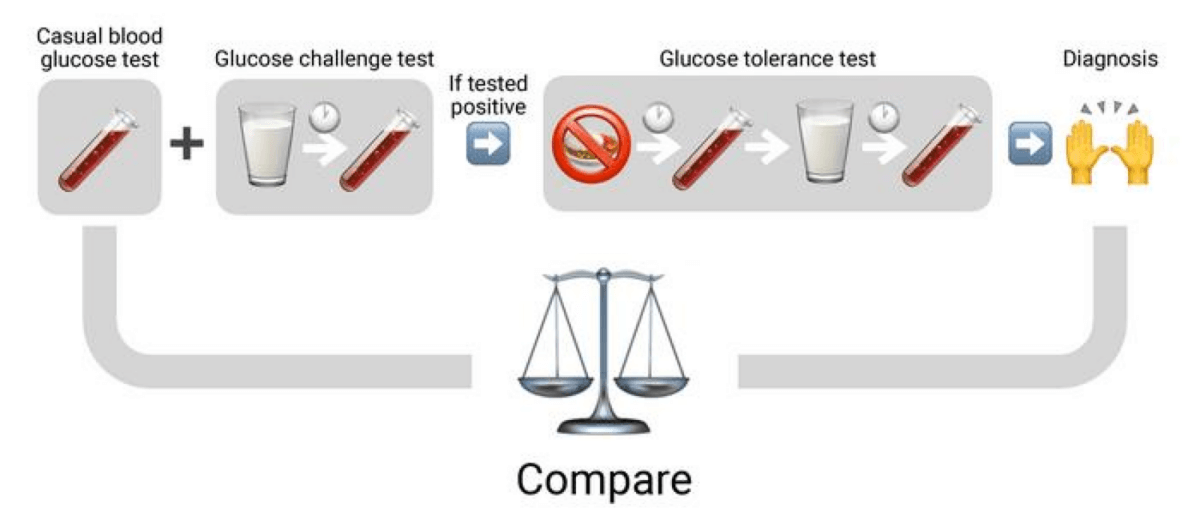
The study, published in the Journal of Diabetes Investigation, compared two different screening approaches for GDM in 763 pregnant women between 24 and 28 weeks of gestation. The first method was the casual blood glucose test, which measures blood sugar levels at any time of day, regardless of when the woman last ate. The second was the glucose challenge test (GCT), which involves giving women a sugary drink and measuring their blood glucose levels one hour later.
The results were eye-opening. Of the 99 women ultimately diagnosed with GDM or overt diabetes, 71 (71.7%) had casual blood glucose levels below the threshold that would typically trigger further testing. Simply put, if doctors had relied solely on the casual blood glucose test, they would have missed nearly three-quarters of the GDM cases in this group.
“Although there have been studies showing that the casual blood glucose test is less sensitive than others, no studies have directly compared the results in the same individuals. Our study confirmed that this screening method, which is widely used in practice, frequently misses the condition it is meant to detect,” says Masako Tomimoto, the lead author of the study, in a university release.
Although this study took place in Japan, the team believes the results could have global implications. The researchers conducted a survey of healthcare facilities in Hyogo Prefecture and found that 43% of respondents who used blood glucose tests relied only on casual screening. Similar surveys in the United Kingdom showed that 48% of clinics also depend solely on the casual blood glucose test for initial screening.
“We would like to educate healthcare professionals and patients about this danger and encourage them to promote the use of the more accurate glucose tolerance screening method. We hope that our data can contribute to improvements in the management system and to the revision of the guidelines for gestational diabetes mellitus screenings,” concludes Kenji Tanimura, the study’s senior researcher.
“The goal is to protect more mothers and babies from gestational and childbirth issues caused by this form of diabetes, and in general reduce the risk of developing the disease in the future.”
Paper Summary
Methodology
The study enrolled 763 pregnant women who underwent both a casual blood glucose test and a 50-gram glucose challenge test between 24 and 28 weeks of pregnancy. Women who tested positive on either screen then took a more comprehensive oral glucose tolerance test to confirm a GDM diagnosis. This approach allowed researchers to directly compare the effectiveness of the two screening methods in the same individuals.
Key Results
The study found that 71.7% of women diagnosed with GDM or overt diabetes had casual blood glucose levels below the threshold that would typically trigger further testing. The glucose challenge test was more effective at identifying women who needed additional screening, highlighting the limitations of relying solely on casual blood glucose testing for GDM screening.
Study Limitations
The study was conducted at a single perinatal center in Japan, which may limit its generalizability to other populations or healthcare settings. Not all women with positive results on initial screens underwent the confirmatory oral glucose tolerance test, potentially missing some GDM cases. The study also couldn’t directly compare the cost-effectiveness of the two screening methods.
Discussion & Takeaways
The findings underscore the need for more sensitive screening methods for GDM. The researchers recommend adopting more comprehensive screening approaches, such as the glucose challenge test or oral glucose tolerance test, to improve GDM detection rates. They also emphasize the importance of educating healthcare providers and patients about the limitations of casual blood glucose testing for GDM screening.
Funding & Disclosures
The study doesn’t mention specific funding sources. One of the authors, Wataru Ogawa, is an Editorial Board member of the Journal of Diabetes Investigation but was excluded from editorial decisions related to the paper’s publication to minimize bias.


