Friends know if you are ready to be shot by Cupid's arrow or not. (yurakrasil/Shutterstock)
In a nutshell
- Friends show remarkable agreement when judging who is ready for a committed relationship—their collective assessments aligned about 50% of the time, suggesting they pick up on real patterns in each other’s behavior and relationship tendencies
- People who appear more anxious about abandonment or avoidant of emotional intimacy are generally perceived by their friends as less ready for commitment, while those who seem more secure in relationships are seen as more prepared
- While people tend to rate themselves slightly higher on commitment readiness than their friends rate them (6.55 vs 6.32 out of 8), the small difference suggests most have fairly realistic views of their own relationship readiness
EAST LANSING, Mich. — As Valentine’s Day approaches, many new couples may find themselves contemplating the seriousness of their relationships. But what makes someone truly ready for commitment? According to new research, your friends might have some surprisingly accurate insights into this question.
In a study published in the Journal of Social and Personal Relationships, researchers from multiple universities across the U.S. examined how well friends can judge each other’s “commitment readiness,” that is, how prepared someone is to enter into a serious romantic relationship.
The timing of this research is particularly relevant in today’s dating landscape, where people often struggle to gauge their own and others’ readiness for serious relationships. With the rise of dating apps and changing social norms around relationships, understanding who’s truly prepared for commitment has become increasingly complex.
Looking at 193 groups of four friends each (772 people total), the research team found that friends show remarkable agreement when assessing who among them is ready for commitment and who might need more time. Even more intriguingly, these friendly assessments lined up strongly with how people viewed themselves.

“Friendships affect so many parts of our life — not just our health and happiness, but also our romantic prospects. Friends can constrain or facilitate who we date. They can also help our romantic relationships flourish or subtly and not-so-subtly undermine them,” says co-author William Chopik, an associate professor in MSU’s Department of Psychology, in a statement.
The influence of friends on our romantic lives extends far beyond simple introductions or dating advice. Friends often serve as relationship gatekeepers, subtly or overtly influencing who we end up dating through their social networks, support, and judgment of potential partners. They may encourage certain relationships while quietly discouraging others based on their perceptions of our readiness for commitment.
The study focused on college-aged participants, with an average age of 19.6 years. The groups were predominantly women (76%), with participants identifying as White (58.4%), Asian (17.4%), Black/African American (7.1%), Multiracial (6.1%), and Hispanic/Latinx (5.7%). Most participants were single (57.9%) or dating (39.8%), with a small percentage married (1.7%). These friends had known each other for an average of 3.6 years, typically meeting through school, mutual friends, or shared activities.
The research involved examining attachment styles, which are the ways we typically relate to others in close relationships. These patterns often develop early in life and can significantly impact our romantic relationships. Some people develop secure attachment, feeling comfortable with both intimacy and independence. Others might develop anxious attachment, constantly worrying about abandonment or avoidant attachment, maintaining emotional distance as a form of self-protection.
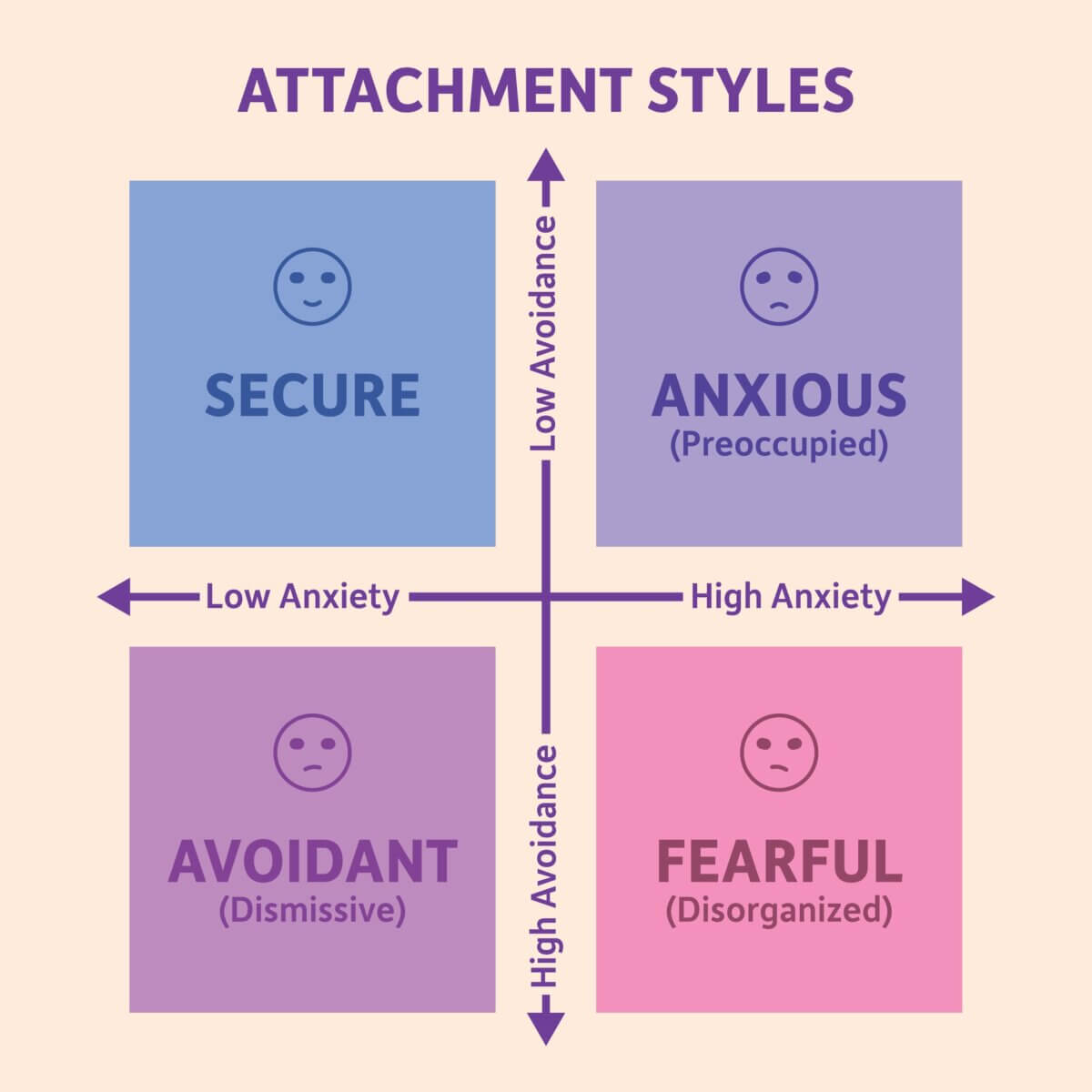
These attachment patterns played a crucial role in how friends perceived each other’s readiness for commitment. People with lower levels of attachment anxiety and avoidance were generally seen as more ready for serious relationships. In contrast, those who showed signs of anxiety or avoidance in relationships were often perceived as less prepared for commitment.
“Judgments of readiness likely explain all sorts of reasons why friends help and hurt our chances of finding love,” says Chopik.
Our friends’ perceptions of our relationship readiness might influence their willingness to make romantic introductions or support our relationship choices. The study revealed that friends’ judgments weren’t just shots in the dark. When it came to assessing commitment readiness, about half of the variation in ratings could be attributed to actual consensus among friends about who was ready and who wasn’t. This suggests friends are picking up on real, observable patterns in each other’s behavior and attitudes toward relationships.
These observations might come from various sources: how someone handles stress, their reactions to others’ relationships, their dating history, or even casual comments about commitment and marriage. Friends often have unique insights into these patterns because they see us in various social situations and over extended periods.
People did tend to rate themselves as slightly more ready for commitment than their friends rated them, but the difference was small. On average, self-ratings were 6.55 out of 8, while friend ratings averaged 6.32. This suggests that while we might see ourselves as somewhat more ready than others see us, most people have fairly realistic views of their own relationship readiness.
“Friends play a key role in forming and maintaining romantic relationships, from introductions to advice. However, there is rarely a chance to know how they perceive us,” says lead author Hyewon Yang, a psychology doctoral candidate at MSU. “I hope this study offers a holistic understanding of commitment readiness from a social network perspective while emphasizing the vital role of friends in pursuing, developing, and maintaining romantic relationships.”
For couples approaching Valentine’s Day, or any other relationship milestone, these findings suggest the value of considering friends’ perspectives. Their observations might offer valuable insights into relationship readiness that individuals themselves might miss or minimize.
One particularly notable finding was that people perceived as more securely attached (low in both anxiety and avoidance) were generally seen as more ready for commitment. This aligns with previous research showing that secure attachment often predicts healthier relationship outcomes.
While no one can perfectly predict relationship success, this research suggests that our friends might be better judges of our relationship readiness than previously thought. Their perceptions, shaped by years of observation and interaction, could offer valuable insights for those seeking lasting romantic connections not just around Valentine’s Day, but year-round.
Paper Summary
Methodology
In a structured research setting, participants rated themselves and their three friends on commitment readiness and attachment tendencies during supervised Zoom sessions. Each person privately rated themselves and their three friends on commitment readiness and relationship tendencies. By collecting ratings from everyone about everyone else, researchers could examine how different people’s views aligned or differed.
Results
Friends showed strong agreement in their judgments about who was ready for commitment and who wasn’t. About half of the variation in these ratings came from actual consensus among friends, while a quarter came from specific dynamics between particular friends, and just 10% from individual tendencies to see others as generally ready or not. People’s self-ratings matched fairly well with how their friends saw them.
Limitations
Since this study focused on college students (mostly women and predominantly White), we can’t be sure these patterns hold true for other age groups or demographics. Additionally, the study only captured a snapshot in time – it didn’t follow people to see if these perceptions actually predicted future relationship success. Future research with more diverse groups and longer-term follow-up would help confirm how universal these findings are.
Discussion and Takeaways
The research suggests that our friends’ perceptions of our relationship readiness might be valuable input when we’re considering romantic prospects. It also shows how our general approach to relationships (our attachment style) influences whether others see us as ready for commitment. These insights could be helpful for both individual reflection and relationship counseling.
Funding and Disclosures
This research was supported by the John Templeton Foundation’s Science of Honesty project. The researchers declared no conflicts of interest.
Publication Information
Published in the Journal of Social and Personal Relationships (2025) by Hyewon Yang and colleagues from Michigan State University, Brigham Young University, Union College, and The University of Texas at Dallas. DOI: 10.1177/02654075251317920.


