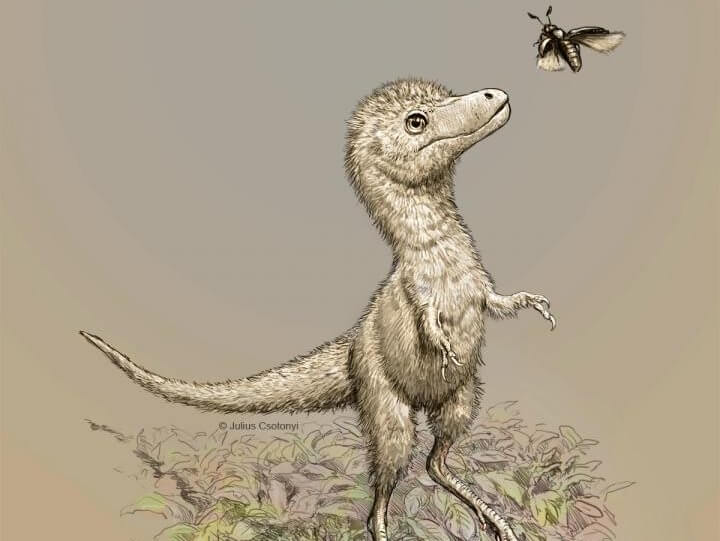
Artist's impression of a juvenile tyrannosaur. (Credit: Julius Csotonyi)
EDINBURGH, Scotland — No dinosaur movie, story, or amusement park ride would be complete without an appearance by the dreaded Tyrannosaurus rex. Indeed, these massive prehistoric creatures are probably the most famous dinosaur due to their incredible size, scary appearance, and razor sharp teeth. Now, a newly discovered embryo just goes to show that small beginnings often yield big results.
The first-ever discovered fossils of tyrannosaur embryos show that at least some baby tyrannosaurs were as small as a Border Collie after birth. That’s a big difference from an adult T. Rex, estimated to weigh in around eight tons and reach heights of roughly 40 feet.
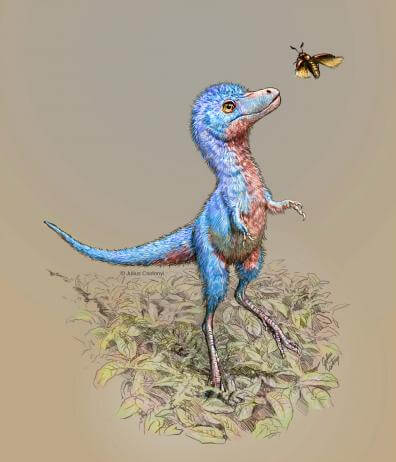
Julius Csotonyi)
Led by researchers at the University of Edinburgh, paleontologists made this incredible discovery after examining a small, fossilized jaw bone and claw unearthed in the United States and Canada. 3D scans of those fossils revealed they were once part of baby tyrannosaurs measuring about three feet in length when they hatched.
This analysis also concludes that tyrannosaur eggs were probably 17 inches long. No tyrannosaur egg remains have ever been recovered or studied. The findings may help future paleontologists recognize and discover more fossilized tyrannosaur eggs still buried under the earth.
Dinosaur’s famous features intact
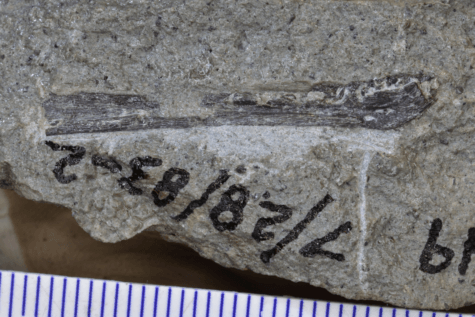
The three-centimeter-long jaw bone depicts the beast’s signature pronounced chin. This suggests that these dinosaurs are born with those facial features already formed.
All previously studied tyrannosaur fossils have been of adult or at least adolescent specimens. So, this discovery is a game changer in terms of our understanding about the developmental stages of dinosaurs.
“These bones are the first window into the early lives of tyrannosaurs and they teach us about the size and appearance of baby tyrannosaurs. We now know that they would have been the largest hatchlings to ever emerge from eggs, and they would have looked remarkably like their parents–both good signs for finding more material in the future,” says study leader Dr. Greg Funston from Edinburgh’s School of GeoSciences, in a university release.
The study is published in the Canadian Journal of Earth Sciences.


