(Credit: Chizhevskaya Ekaterina/Shutterstock)
It’s likely you’ve heard about probiotics – live microorganisms that can multiply in the gastrointestinal (GI, or digestive) system, and, in adequate amounts, confer some health benefits to the consumer. It isn’t just digestive health that seems to benefit from probiotics. There is increasing evidence that a balance or imbalance of microorganisms in the gut play significant roles in mental health and disease, including triggering anxiety and depression. “Psychobiotics” is the term for probiotics used to benefit mental health.
Psychobiotics (which include foods consumed to benefit mental health) are not well understood, but knowledge and experience in their use are growing. Within the last 10 years, it has become clear that the gut (the GI system) has enormous impact on overall health, with so many nerve cells and pathways that scientists are referring to it as the “second brain.” The gut produces chemical messengers responsible for nervous system transmission – serotonin, dopamine, and GABA. More than 90% of the serotonin in the body is produced in the gut.
A 2022 study in Translational Psychiatry showed that taking a probiotic with eight different strains of bacteria decreased symptoms of depression. These subjects, however, were also receiving psychotherapy. The study’s scientists stated that psychobiotics should be considered along with psychotherapy, not in place of it.
Scientists performed an analysis of 10 clinical trials which studied probiotics and mental health. Their 2020 report describes a connection between the use of probiotics and a reduction in the symptoms of depression. They reported a similar, but weaker link between probiotics and the relief of anxiety.
What are the potential benefits of psychobiotics?
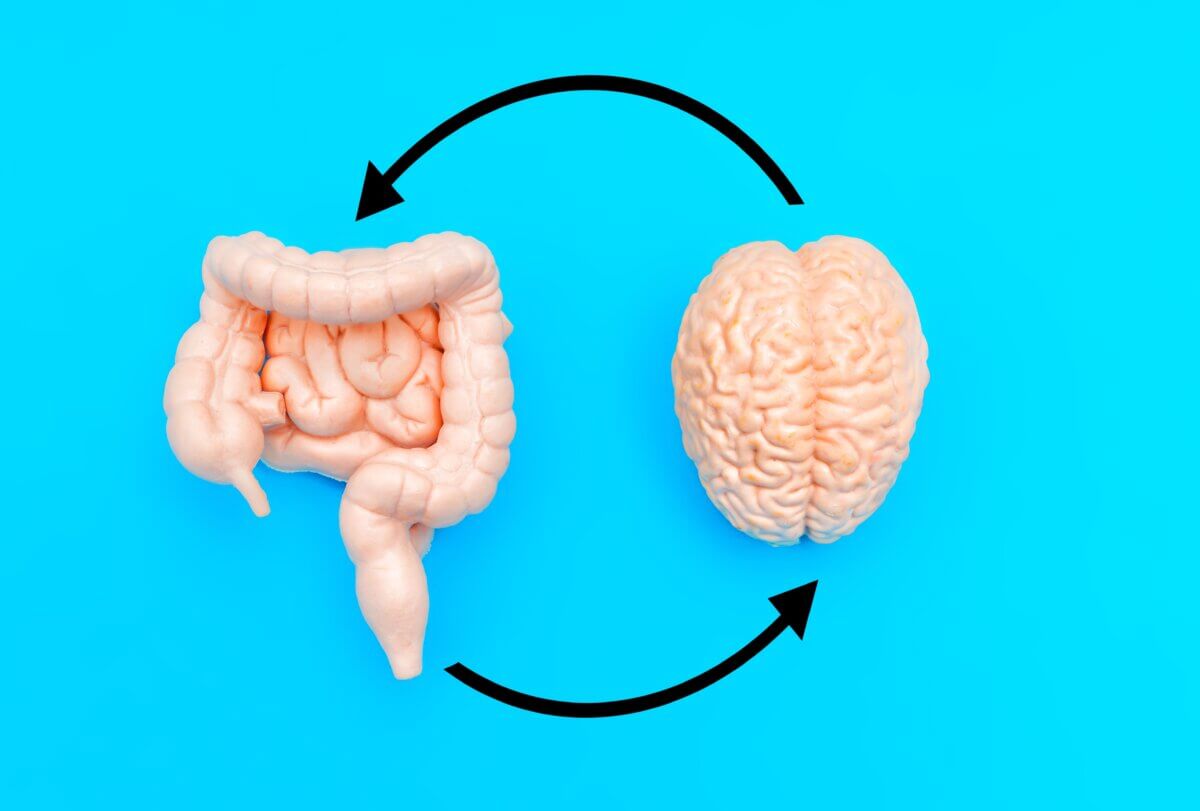
No scientist is suggesting that taking a probiotic supplement can prevent or cure mental health diseases or entirely control symptoms of depression, anxiety, or stress. It is undeniable, however, that the brain affects the gut and what happens in the gut affects the brain. It is called the “gut-brain axis.” For example, people with inflammatory bowel disease (Crohn’s disease, ulcerative colitis) often have psychological issues. This gut-brain axis may make psychobiotics an effective treatment for both physical and mental health – both digestion and mood.
Other benefits of psychobiotics may include decreased risk of cognitive disease or decline, including Alzheimer’s disease; decreased risk of heart disease; and improved immune health.
How can you consume more psychobiotics?
Ways to add psychobiotics to your consumption include using probiotic supplements and eating fermented foods, such as:
- Yogurt high in beneficial probiotics
- Using tempeh as a protein
- Flavoring food with miso
- Adding kimchi or sauerkraut to sandwiches or salads
Probiotic foods
Research is in progress on probiotic foods, in addition to supplements. One study in 2019, with 26,000 participants, found that people who regularly ate probiotic foods had less depression than people who did not consume probiotic foods. Probiotic foods are less expensive than using supplements. Some probiotic foods include:
- Kefir
- Yogurt
- Tempeh
- Miso
- Natto
- Kimchi
- Sauerkraut
- Pickled vegetables
Probiotic supplements
Probiotic supplements may have greater concentrations of beneficial bacteria than do probiotic foods, but the foods contain other important nutrients as well. These nutrients may be beneficial to both the body and brain. One of these is fiber, which also benefits the heart. It is found in kimchi and pickled vegetables. Antioxidants are also beneficial and occur in some probiotic foods, such as kefir and tempeh. Antioxidants can help to prevent oxidative stress on brain cells.
It is important to remember that probiotic supplements are not regulated by the U.S. Food and Drug Administration (FDA). Research any probiotics you consider using. Consumer Lab, Pharmacopeia, and NSF International perform independent testing on probiotics. Their information is online.
Are there potential risks and side-effects?
Psychobiotics come with a lot of benefits with minimal risks and side-effects, although some people may be allergic to some forms. If fermentation is not done safely, harmful microorganisms, such as E. Coli and Salmonella could cause foodborne illness.
Some probiotics may interact with medications, one of which is prednisone. If you take any medications, discuss potential interactions with your doctor before consuming the probiotics.


