eye-ge6771e227_1280

(Image by Alexa from Pixabay)

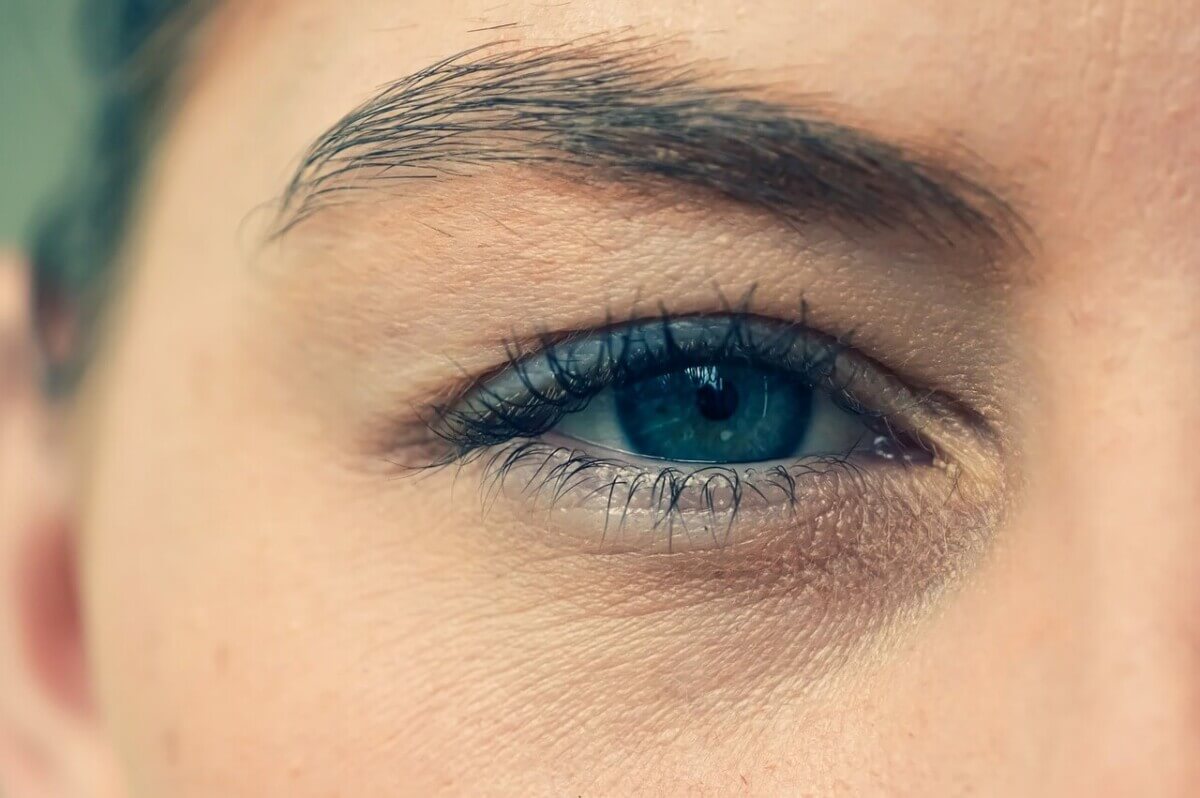
PHILADELPHIA — Your eyebrows are not just a matter of grooming, they’re influenced by your genes! A groundbreaking study is shedding light on the genetic factors that determine the thickness of eyebrows. The research, conducted by the International Visible Trait Genetics (VisiGen) Consortium, focused on Europeans and explored the global variations and similarities in eyebrow thickness. This study marks the first-ever gene mapping study on eyebrow thickness in Europeans, uncovering three previously unknown genetic points (loci).

Eyebrow thickness, like other appearance traits, is highly heritable. Previous genetic studies on eyebrow thickness were limited to non-Europeans, leaving a gap in understanding the genetics of Europeans. The findings of this study expand our knowledge of genetic variations in human eyebrows and have implications for dermatology and other fields.
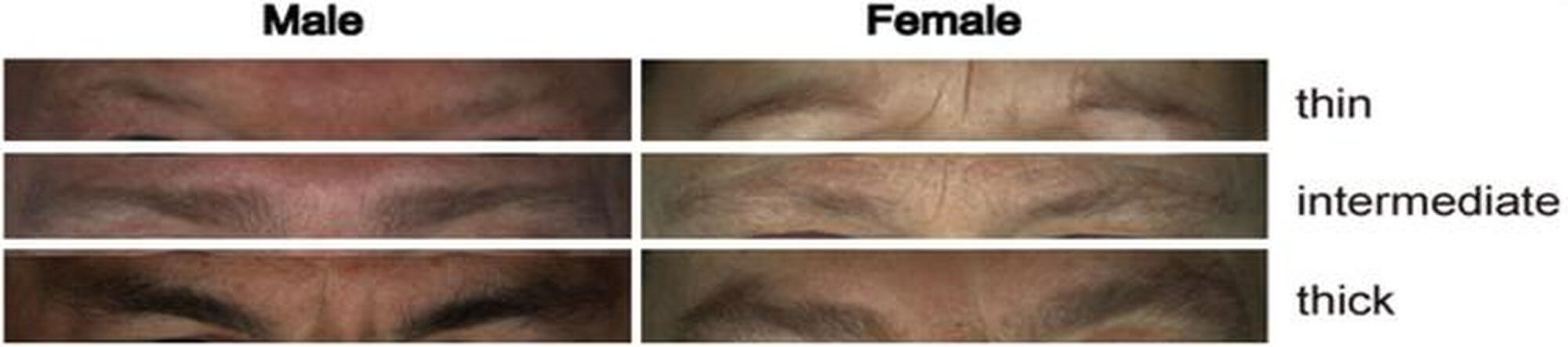
Example images illustrating eyebrow thickness classified into three categories, i.e., 0-thin, 1-intermediate, and 2-thick.
Example images illustrating eyebrow thickness classified into three categories, i.e., 0-thin, 1-intermediate, and 2-thick. (Credit: Journal of Investigative Dermatology)

“We still know much more about the genes that make us sick than about those behind our healthy looks,” says lead investigator Prof. Dr. Manfred Kayser from the Erasmus MC University Medical Center Rotterdam in a media release. “For the first time, we performed a gene mapping study on eyebrow thickness variation in Europeans. We discovered new genes involved in eyebrow variation in Europeans and rediscovered some of the genes previously identified in non-Europeans.”

The study involved 9,948 individuals from four European ancestry groups. It not only identified three new genetic loci associated with eyebrow thickness but also rediscovered two of the four loci previously found in non-Europeans. Two other loci had minimal effects in Europeans due to their low allele frequencies.

The study is published in the Journal of Investigative Dermatology.

You might also be interested in:

About StudyFinds Analysis

Called "brilliant," "fantastic," and "spot on" by scientists and researchers, our acclaimed StudyFinds Analysis articles are created using an exclusive AI-based model with complete human oversight by the StudyFinds Editorial Team. For these articles, we use an unparalleled LLM process across multiple systems to analyze entire journal papers, extract data, and create accurate, accessible content. Our writing and editing team proofreads and polishes each and every article before publishing. With recent studies showing that artificial intelligence can interpret scientific research as well as (or even better) than field experts and specialists, StudyFinds was among the earliest to adopt and test this technology before approving its widespread use on our site. We stand by our practice and continuously update our processes to ensure the very highest level of accuracy. Read our AI Policy (link below) for more information.

Our Editorial Process

StudyFinds publishes digestible, agenda-free, transparent research summaries that are intended to inform the reader as well as stir civil, educated debate. We do not agree nor disagree with any of the studies we post, rather, we encourage our readers to debate the veracity of the findings themselves. All articles published on StudyFinds are vetted by our editors prior to publication and include links back to the source or corresponding journal article, if possible.

Our Editorial Team

Steve Fink

Editor-in-Chief

John Anderer

Associate Editor

Leave a Reply