
(Credit: PRASANNAPIX/Shutterstock)
STOKE-ON-TRENT, United Kingdom — For people with Type 1 diabetes, exercise is a crucial component of managing their condition. However, finding the right type of exercise that balances blood sugar control with cardiovascular benefits can be challenging. A recent study sheds light on this issue, comparing two popular forms of aerobic exercise: continuous and interval training.
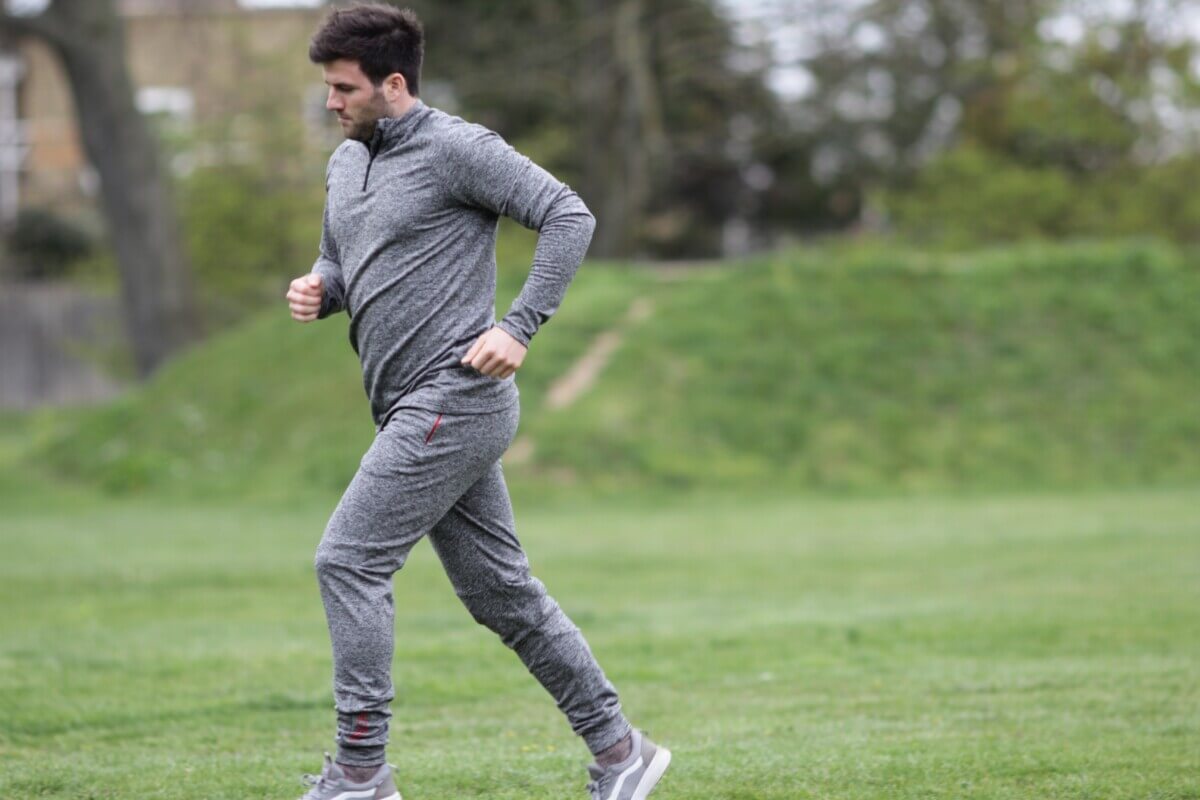
The study’s findings suggest that continuous aerobic exercise may be the most effective for improving blood sugar control in people with Type 1 diabetes, particularly for women. Continuous exercise, which involves maintaining a steady, moderate pace throughout the workout (like jogging for 30 minutes), led to more significant reductions in blood sugar levels compared to interval training. Interval training, which alternates between periods of higher and lower intensity (like alternating between jogging and walking), also showed benefits but to a lesser extent.
Interestingly, the study, published in the American Journal of Cardiology, revealed important gender differences in exercise responses. Women experienced more stable blood sugar levels overall, with significant reductions primarily after continuous exercise. Men, on the other hand, showed larger decreases in blood sugar after both types of exercise, with the most substantial drops occurring after continuous exercise. This suggests that while continuous exercise may be beneficial for both genders, men may need to be more vigilant about monitoring their blood sugar levels to avoid potentially dangerous drops.
“This study is important because diabetic patients often lack motivation to exercise as a means of managing their condition,” says study co-author Dr. Pooya Soltani from Staffordshire University in a statement. “One reason for this is that physical activity can lead to blood sugar drops, causing discomfort and demotivation. We investigated whether the type of physical activity could mitigate these blood sugar drops.”
The research involved 19 adults with Type 1 diabetes who didn’t exercise regularly. Each participant completed two 30-minute exercise sessions on different days – one continuous and one interval. The researchers measured blood sugar levels, heart rate, and blood pressure before, immediately after, and 20 minutes after each session. They also assessed how hard participants felt the exercise was and how much they enjoyed it.
Despite the differences in blood sugar responses, both men and women reported similar levels of effort and enjoyment for both types of exercise. This suggests that either form of exercise can be a viable and enjoyable option for people with Type 1 diabetes, with the choice potentially being influenced by individual preferences and blood sugar management needs.
Ultimately, the findings provide valuable insights for healthcare providers and individuals with Type 1 diabetes. While continuous exercise appears to be more effective for blood sugar control, especially for women, the choice of exercise type should be tailored to each individual’s needs, preferences, and ability to manage their blood sugar levels during and after physical activity.
Paper Summary
Methodology
The study employed a crossover design, allowing each participant to complete both types of exercise sessions. This approach enables direct comparison of how individuals respond to different exercise types. Nineteen adults with type 1 diabetes who didn’t exercise regularly were recruited for the study. Each participant completed two 30-minute sessions on separate days: one continuous session at a steady, moderate intensity, and one interval session alternating between higher and lower intensities.
The researchers collected data at three time points for each session: before exercise, immediately after exercise, and 20 minutes after exercise. They measured blood sugar levels using a finger-prick test, as well as heart rate, blood pressure, perceived effort, and enjoyment level. Statistical methods were then used to compare responses between men and women, between exercise types, and across the different time points.
Key Results
The study’s results revealed notable differences in how men and women with type 1 diabetes respond to exercise. Men showed larger decreases in blood sugar after both exercise types, with the most substantial drops occurring after continuous exercise. One man even experienced hypoglycemia (low blood sugar) after continuous exercise. Women, in contrast, only had significant decreases in blood sugar after continuous exercise, and none experienced hypoglycemia.
Cardiovascular responses were similar between genders for heart rate, but men tended to have higher blood pressure responses than women. Interestingly, there were no significant differences between men and women or between exercise types in terms of perceived effort and enjoyment.
Study Limitations
While this study provides valuable insights, it’s important to acknowledge its limitations. The small sample size of 19 participants may not fully represent the diverse population of people with type 1 diabetes. The study was also short-term, looking only at immediate responses to exercise rather than long-term effects.
Additionally, only two types of aerobic exercise were studied, and factors such as women’s menstrual cycles, which can affect metabolism, were not accounted for. The study also didn’t measure certain metabolic factors like hormone levels or how the body was using different energy sources during exercise. These limitations suggest the need for larger, more comprehensive studies in the future.
Discussion & Takeaways
This study highlights important considerations for exercise in people with type 1 diabetes. Continuous exercise appears to be more effective for blood sugar control, especially for women. However, men may need to be more cautious about potential blood sugar drops during and after exercise, particularly with continuous exercise.
The findings suggest that exercise recommendations for people with Type 1 diabetes may need to be tailored based on gender. Both interval and continuous exercise can be enjoyable and manageable, regardless of gender, but monitoring blood sugar before, during, and after exercise is crucial, especially for men.
These insights can help healthcare providers offer more personalized exercise advice to people with Type 1 diabetes, while also underscoring the need for further research into how various factors affect blood sugar responses to exercise in this population.
Funding & Disclosures
The study was supported by the Pro Reitoria de Extensão (PROEX) da Universidade Federal do Vale do São Francisco and the Laboratório de Análises Clínica Bioanálise in Petrolina, Brazil. The authors declared no conflicts of interest related to the study. This independence from external funding or conflicts of interest strengthens the credibility of the research, as it suggests the findings were not influenced by financial interests or biases from funding sources.


