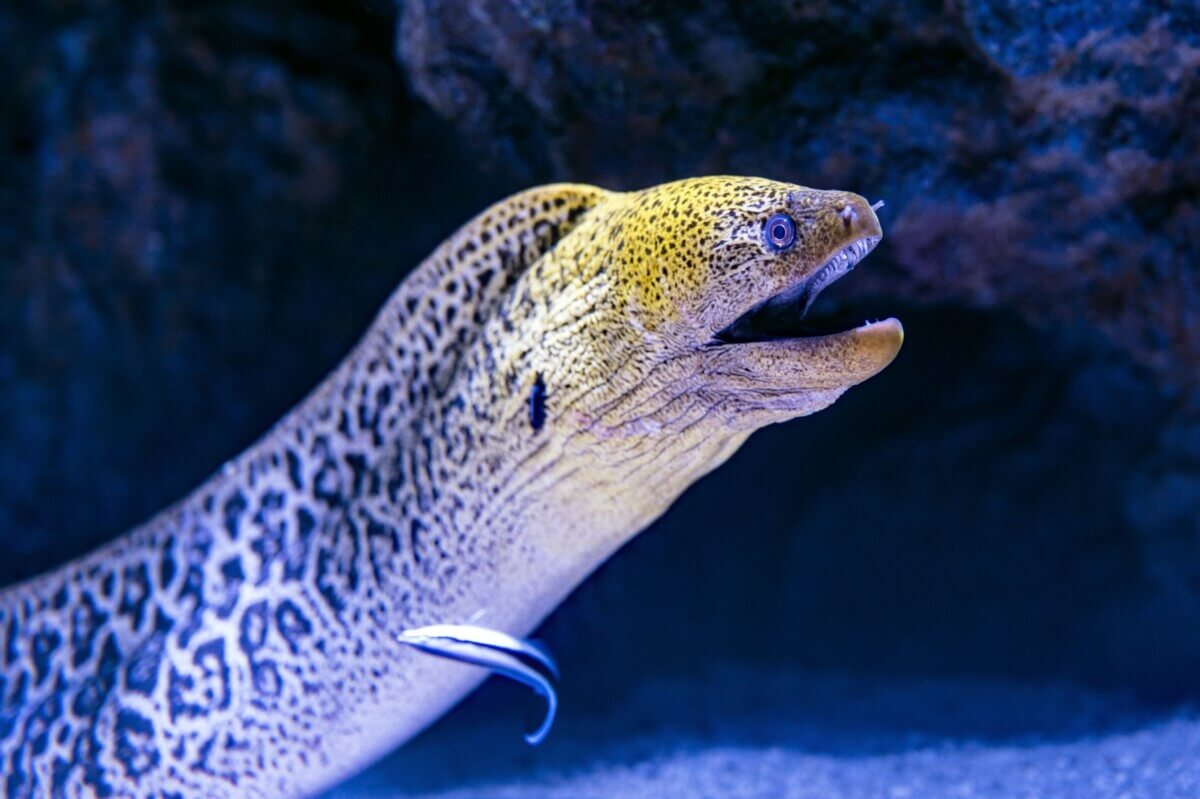
A Moray Eel enjoys the attention of a Cleaner Wrasse. (credit: Unsplash/David Clode)
NAGOYA, Japan — Scientists from Japan have made an electrifying new discovery. Nagoya University researchers have found that electric eels can use their discharges to genetically modify other organisms in their environment. Simply put, eels can transfer their DNA to other species using their shocking bursts.
This finding sheds new light on a process known as electroporation, previously thought to be confined to laboratory settings. Electroporation involves using an electric field to create temporary openings in cell membranes, allowing molecules like DNA or proteins to enter cells.
In the natural setting of a river, electric eels can generate up to 860 volts, an amount of electricity powerful enough to power machines. The research team hypothesized that this electrical discharge could affect the cells of nearby organisms in a similar way.
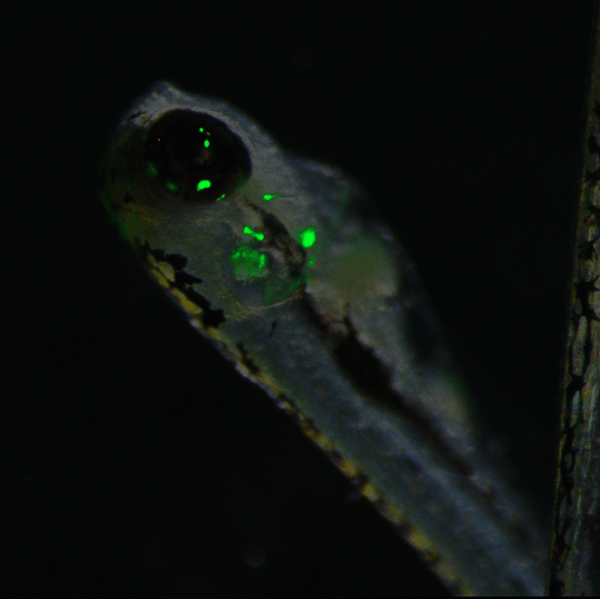
To test their theory, researchers exposed zebrafish larvae to a DNA solution that contained a marker glowing under light. They then introduced an electric eel, which was prompted to discharge electricity. Researchers found that five percent of the larvae showed signs of gene transfer.
“This indicates that the discharge from the electric eel promoted gene transfer to the cells, even though eels have different shapes of pulse and unstable voltage compared to machines usually used in electroporation,” says Atsuo Iida, an assistant professor at Nagoya University, in a university release. “Electric eels and other organisms that generate electricity could affect genetic modification in nature.”
This finding not only expands our understanding of electroporation but also suggests that electric fields in nature, like those from electric eels, could play a previously unrecognized role in genetic modification. Similar phenomena have been observed with natural electric fields such as lightning, affecting organisms like nematodes and soil bacteria.
“I thought electroporation might happen in nature,” says Iida. “I realized that electric eels in the Amazon River could well act as a power source, organisms living in the surrounding area could act as recipient cells, and environmental DNA fragments released into the water would become foreign genes, causing genetic recombination in the surrounding organisms because of electric discharge.”
The implications of this research are significant. As Iida expresses his excitement about the future of electric field research in living organisms, he emphasizes the importance of exploring unconventional ideas, believing they can lead to major breakthroughs and a deeper understanding of the complexities of life.
The study is published in the journal PeerJ – Life and Environment.


