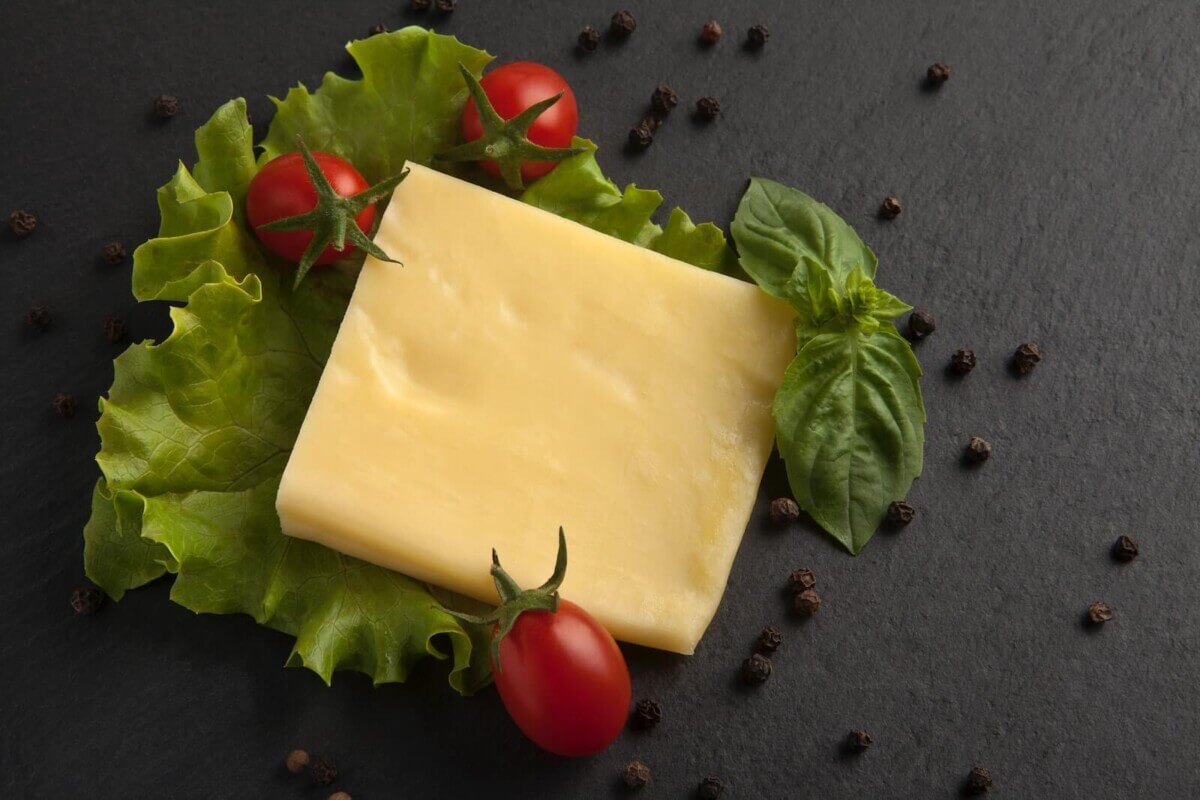
(Photo by Önder Örtel on Unsplash)
When it comes to brain health, not all dietary dairy is equal.
In A Nutshell
- Swedish researchers followed nearly 28,000 people for up to 30 years and found those eating 50+ grams daily of high-fat cheese (more than 20% fat) had a 13% lower dementia risk compared to light consumers
- Not all dairy showed benefits — milk, yogurt, low-fat cheese, and low-fat cream had no clear link to dementia risk, while butter showed mixed results depending on overall diet quality
- Vascular dementia saw the biggest drop — people eating the most high-fat cheese had a 29% lower risk of this dementia type caused by reduced blood flow to the brain
- Genetics mattered — the protective effect of high-fat cheese on Alzheimer’s disease appeared only in people without the APOE e4 gene variant, a major genetic risk factor
For decades, dietary guidelines have warned against high-fat cheese because of concerns about saturated fat and heart health. Now, a Swedish study that followed 27,670 people for nearly 30 years has uncovered a surprising benefit associated with fatty cheeses. Those who ate more high-fat cheese showed lower rates of dementia.
The research found that participants consuming at least 50 grams daily of cheese with more than 20% fat content had a 13% lower risk of developing dementia compared to those eating less than 15 grams daily. Compared with non-consumers, those eating 20 grams or more per day of high-fat cream showed a 16% lower dementia risk.
Not all dairy products showed these associations. Milk, fermented milk products (like yogurt), low-fat cheese, and low-fat cream showed no clear links to dementia risk overall. Butter was more complicated. In one analysis, higher butter intake was linked to higher Alzheimer’s risk. When it comes to brain health, the type and fat content of dairy products may matter more than simply eating “more dairy” or “less dairy.”
30-Year Study Tracked Nearly 28,000 People
Researchers used data from the Malmö Diet and Cancer cohort, where participants underwent detailed dietary assessments between 1991 and 1996. The evaluation combined three methods: a seven-day food diary, a 168-item food frequency questionnaire, and a 45-60 minute dietary interview conducted by trained personnel.
The study, published in Neurology, identified 3,208 dementia cases through Swedish health registries by December 2020. Cases diagnosed through 2014 underwent additional validation by trained physicians who reviewed symptoms, cognitive test results, brain imaging, and biomarkers when available. The validated cases included 1,126 with Alzheimer’s disease and 451 with vascular dementia.
Participants were followed from their baseline examination until dementia diagnosis, death, emigration, or December 2020 (whichever came first). The median follow-up period was about 25 years.
Genetics May Influence Cheese’s Brain Benefits
Among people without the APOE e4 gene variant, a major genetic risk factor for Alzheimer’s disease, eating more high-fat cheese was associated with a 13% lower risk of Alzheimer’s specifically. The gene variant had no effect on the cheese-dementia association overall, but it modified the relationship with Alzheimer’s disease itself.
About 30% of study participants carried at least one copy of the APOE e4 variant.
People who consumed the most high-fat cheese tended to be younger, have lower body mass indexes, and have higher education levels. They also had lower rates of diabetes, high blood pressure, cardiovascular disease, and stroke. They were less likely to use cholesterol-lowering medications. However, they were more likely to be current or past smokers and had higher alcohol consumption.
The researchers adjusted their analyses for age, sex, education level, physical activity, smoking status, alcohol consumption, family history of cardiovascular disease, marital status, living alone, diet quality, body mass index, and hypertension. Even after accounting for all these factors, the protective associations with high-fat cheese and cream remained.
Strongest Protection Against Vascular Dementia
High-fat cheese consumption showed particularly strong protective effects against vascular dementia, the second most common form of dementia caused by reduced blood flow to the brain. People eating 50 grams or more daily had a 29% lower risk of vascular dementia compared to those consuming less than 15 grams daily.
High-fat cream consumption also showed inverse associations with both Alzheimer’s disease and vascular dementia when researchers analyzed intake as a continuous variable rather than categories.
The researchers used specific thresholds to categorize dairy products. High-fat cheese meant more than 20% fat, high-fat cream meant more than 30% fat, and high-fat milk and fermented milk meant more than 2.5% fat.
How Researchers Tried to Reduce ‘Reverse Causation’
A major concern in dementia research is reverse causation (the possibility that early cognitive decline changes eating habits years before diagnosis occurs). Dementia can have a long preclinical phase during which subtle brain changes begin but symptoms haven’t appeared yet.
The researchers addressed this by excluding dementia cases that occurred within the first 10 years of follow-up. Surprisingly, this strengthened the protective associations with high-fat cheese, suggesting the findings aren’t simply due to sick people changing their diets before diagnosis.
The study also examined people who reported no substantial diet changes during a five-year follow-up examination. Among this subset, the associations weakened and no longer reached statistical significance, though they remained in the protective direction.

Why High-Fat Cheese May Benefit Brain Health
Cheese is a whole food with protein, calcium, and other compounds packaged together in a way that may affect how the body responds to it. Previous randomized controlled trials have shown that regular-fat cheese doesn’t cause the adverse changes in blood cholesterol that researchers once feared when they issued blanket warnings about saturated fat.
Some animal studies suggest that regular-fat cheese may provide metabolic benefits by altering gut bacteria and altering fat absorption. Regular-fat cheese has been linked to increased fecal fat excretion, meaning the body may absorb less of the fat consumed. The cheese-making process and fermentation may also create beneficial compounds not found in milk.
Mendelian randomization studies, which use genetic variants to infer causal relationships, have linked cheese consumption to lower risks of diabetes and high blood pressure (both risk factors for dementia).
An unmeasured factor would need to substantially increase dementia risk to completely explain away the observed protective association with high-fat cheese. That threshold exceeds the effect sizes of several established dementia risk factors like smoking, high blood pressure, and diabetes.
Butter consumption showed a different pattern. Among people consuming 40 grams or more daily, there was a 27% higher risk of Alzheimer’s disease compared to non-consumers. However, among participants with higher overall diet quality, butter consumption was inversely associated with dementia risk. The authors stress this finding is speculative and might relate to overall dietary fat intake (butter might be protective in an otherwise low-fat diet, but increases risk when added to a diet already high in fat).
Low-fat milk consumption showed an unexpected finding. People consuming 500 grams or more daily (about two cups) had a 24% higher risk of dementia when follow-up ended in 2014. However, this association wasn’t significant when the follow-up was extended to 2020, despite increased statistical power from more cases.
Neither high-fat nor low-fat fermented milk products showed associations with dementia risk in the overall analysis. Regular milk, regardless of fat content, showed no significant associations with dementia, Alzheimer’s disease, or vascular dementia.
The researchers conducted substitution analyses to estimate what might happen if people replaced 20 grams of high-fat cheese with equivalent amounts of other foods. Replacing high-fat cheese with milk, fermented milk, high-fat red meat, or processed meat was associated with increased dementia risk.
The study’s strengths include its population-based design, validation of dementia diagnoses, exceptionally long follow-up period, low loss-to-follow-up rate, and the use of a seven-day food diary alongside questionnaires. However, diet was assessed only at baseline. The study lacked detailed information about specific cheese types beyond fat content. As an observational study, it cannot prove that eating more high-fat cheese directly prevents dementia.
| Dairy Product Type | Fat Threshold | Impact on Dementia Risk | Key Takeaway |
|---|---|---|---|
| High-Fat Cheese | >20% Fat | 13% – 29% Lower Risk | The strongest protection was seen against vascular dementia (29% lower risk). |
| High-Fat Cream | >30% Fat | 16% Lower Risk | Associated with lower risk for both Alzheimer’s and vascular dementia. |
| Milk (All Types) | Various | No Clear Link | Heavy consumption (500g+ daily) showed mixed results, but overall milk showed no consistent association. |
| Butter | ~80% Fat | Mixed / Higher Risk | High intake (40g+ daily) was linked to a 27% higher Alzheimer’s risk, though it may be safer in high-quality diets. |
| Fermented Milk (Yogurt) | All types | No Link | Neither high-fat nor low-fat versions showed a significant association with brain health. |
| Low-Fat Cheese | <20% Fat | No Link | Unlike its high-fat counterpart, low-fat cheese didn’t show protective benefits. |
| Low-Fat Cream | <30% Fat | No Link | No protective association was found. |
Disclaimer: This article is for informational purposes only and is not intended as medical or dietary advice. The study discussed is observational and cannot prove that eating high-fat cheese prevents dementia. Readers should consult their healthcare provider before making significant dietary changes, especially if they have existing health conditions, cardiovascular disease risk factors, or concerns about cholesterol. Individual nutritional needs vary based on health status, medications, and other factors.
Paper Summary
Limitations
Diet was assessed only at baseline without information about changes over 25 years of follow-up. The study lacked details about specific cheese types, fat content beyond 20%, and consumption patterns. Baseline cognitive status wasn’t evaluated. Dementia cases not seeking medical diagnosis may have been missed. Some cases after 2014 lacked physician validation. Results may not generalize to non-Swedish populations. As an observational study, causation cannot be established. Residual confounding remains possible despite extensive adjustments.
Funding and Disclosures
The study received funding from the Swedish Research Council, Heart and Lung Foundation, Crafoord Foundation, Magnus Bergvall Foundation, and Albert Påhlsson Foundation. Additional support came from the European Research Council, Alzheimer’s Association, GHR Foundation, Knut and Alice Wallenberg Foundation, and other Swedish research organizations. Dr. Palmqvist has received research support through his institution from Avid and Ki Elements through ADDF, and consultancy/speaker fees from Bioartic, Biogen, Eisai, Eli Lilly, Novo Nordisk, and Roche. Dr. Hansson is employed by Lund University and Eli Lilly. Other authors declared no relevant conflicts of interest.
Publication Details
Yufeng Du, Yan Borné, Jessica Samuelsson, Isabelle Glans, Xiaobin Hu, Katarina Nägga, Sebastian Palmqvist, Oskar Hansson, and Emily Sonestedt from the Department of Epidemiology and Statistics at Lanzhou University, Nutritional Epidemiology and Clinical Sciences Malmö at Lund University, the Neuropsychiatric Epidemiology Unit at the University of Gothenburg, and the Clinical Memory Research Unit at Lund University. The paper, High- and Low-Fat Dairy Consumption and Long-Term Risk of Dementia,” is published in the January 27, 2026 issue of Neurology. DOI:10.1212/WNL.0000000000214343.


