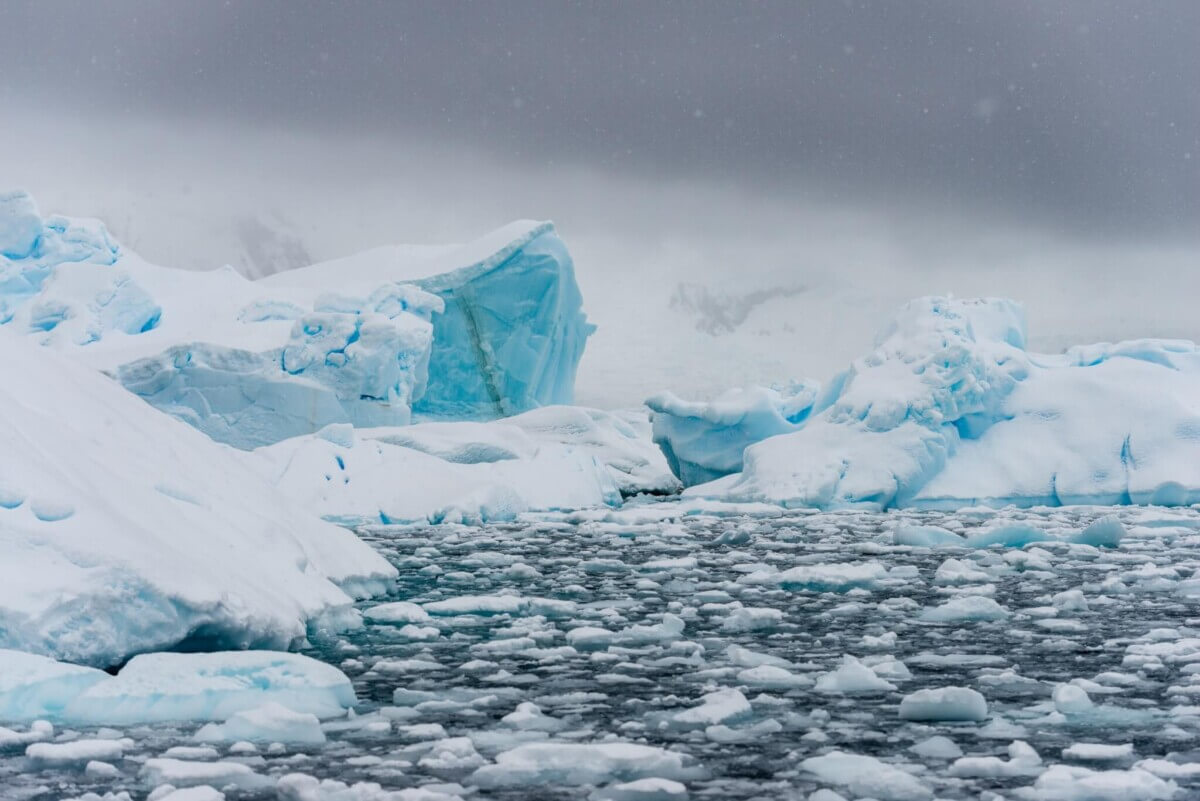
(Credit: Paul Carroll on Unsplash)
STANFORD, Calif. — A region of Antarctica the size of California is not as stable as previously thought. Stanford University scientists reveal that the base of this ice sheet, in the Wilkes Subglacial Basin in East Antarctica, is alarmingly close to its melting point. If this dire situation worsens and the ice melts, it could raise global sea levels by over 10 feet.
“There hasn’t been much analysis in this region — there’s huge volume of ice there, but it has been relatively stable,” says study first author Eliza Dawson, a doctoral student in geophysics at Stanford, in a university release. “We’re looking at the temperature at the base of the ice sheet for the first time and how close it is to potentially melting.”
Until now, research has largely concentrated on West Antarctica, particularly the rapidly melting Thwaites Glacier. However, Stanford scientists shifted the focus to the relatively overlooked Wilkes Subglacial Basin.
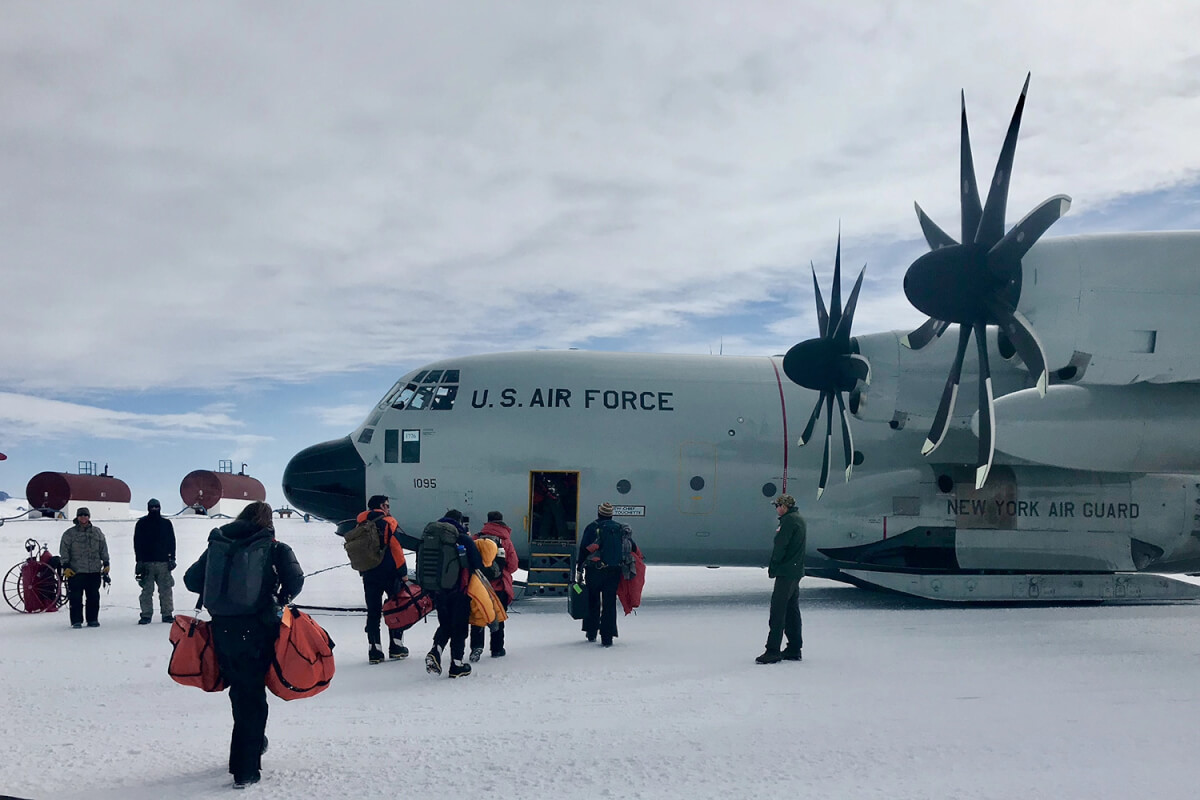
Researchers utilized data from radar surveys, which involved planes transmitting electromagnetic signals that penetrate the ice sheet and reflect off the underlying ground. Through a novel analytical technique, they converted these radar signals into detailed information about the temperature conditions at the base of the ice sheet.
“The temperature of the ice affects how much the radar is reflected in multiple ways, so a single measurement is ambiguous,” explains Dustin Schroeder, associate professor of geophysics and of electrical engineering at Stanford. “This statistical approach involved essentially picking regions that you could assume were either frozen or thawed and comparing other radar signatures to them. It allowed us to say whether other areas of the ice sheet were definitely frozen, definitely thawed, or tough to call.”
This study’s implications are significant. The Wilkes Subglacial Basin’s unique topography, with ground sloping downward away from the ocean and below sea level, makes it especially susceptible to irreversible melting if warming seawater reaches underneath the ice sheet. The findings suggest that even small increases in temperature could trigger a considerable glacial retreat in this part of East Antarctica, which has been underestimated in terms of its potential contribution to sea level rise.
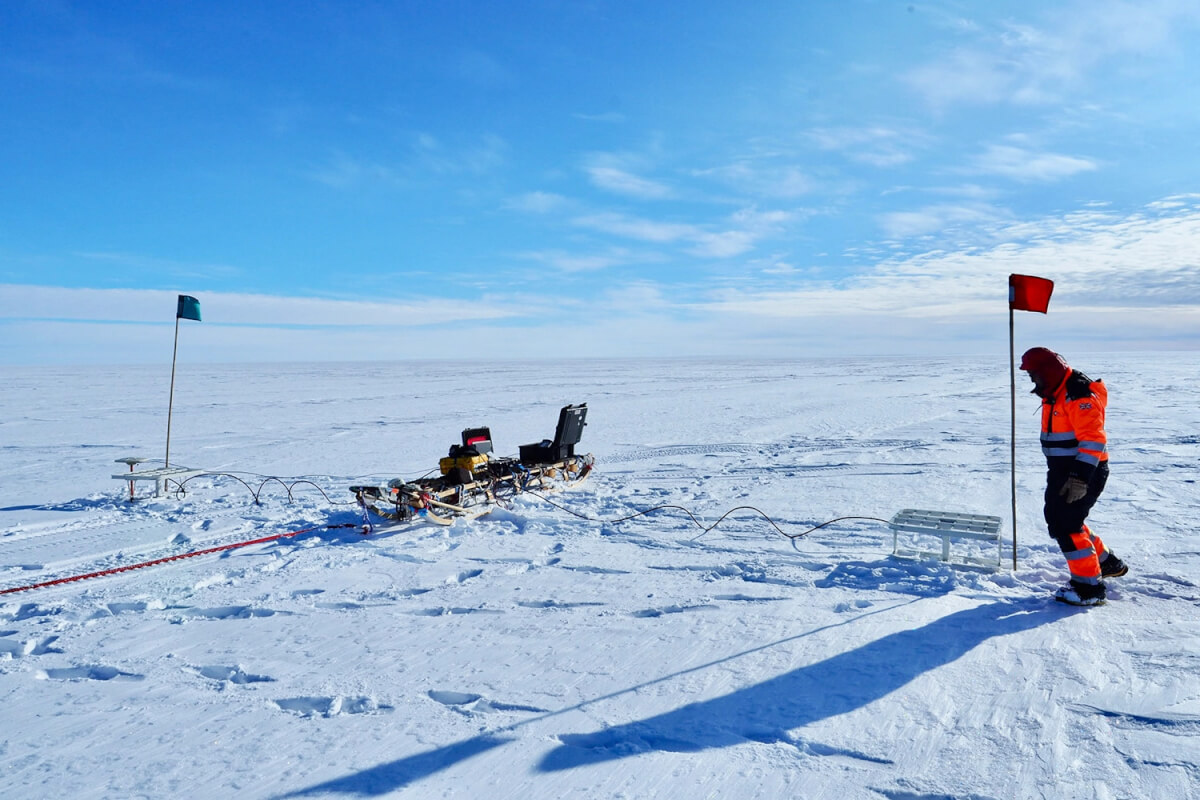
“This area has conditions that we could imagine changing,” notes Schroeder. “And if warm ocean water gets there, it’s going to ‘turn on’ a whole sector of Antarctica we don’t normally think about as a contributor to sea level rise.”
Researchers plan to incorporate their temperature observations into ice sheet models to refine predictions about how the Wilkes Subglacial Basin might respond to various climate scenarios. This effort is crucial for developing a more comprehensive understanding of potential sea level rise impacts and underscores the need for further exploration and monitoring of East Antarctica’s seemingly stable regions.
By drawing attention to the Wilkes Subglacial Basin’s vulnerability, the study aims to spur additional research and awareness regarding East Antarctica’s role in global sea level dynamics. As the climate continues to warm, understanding these processes becomes increasingly vital for predicting and mitigating the impacts of sea level rise worldwide.
The study is published in the journal Geophysical Research Letters.


