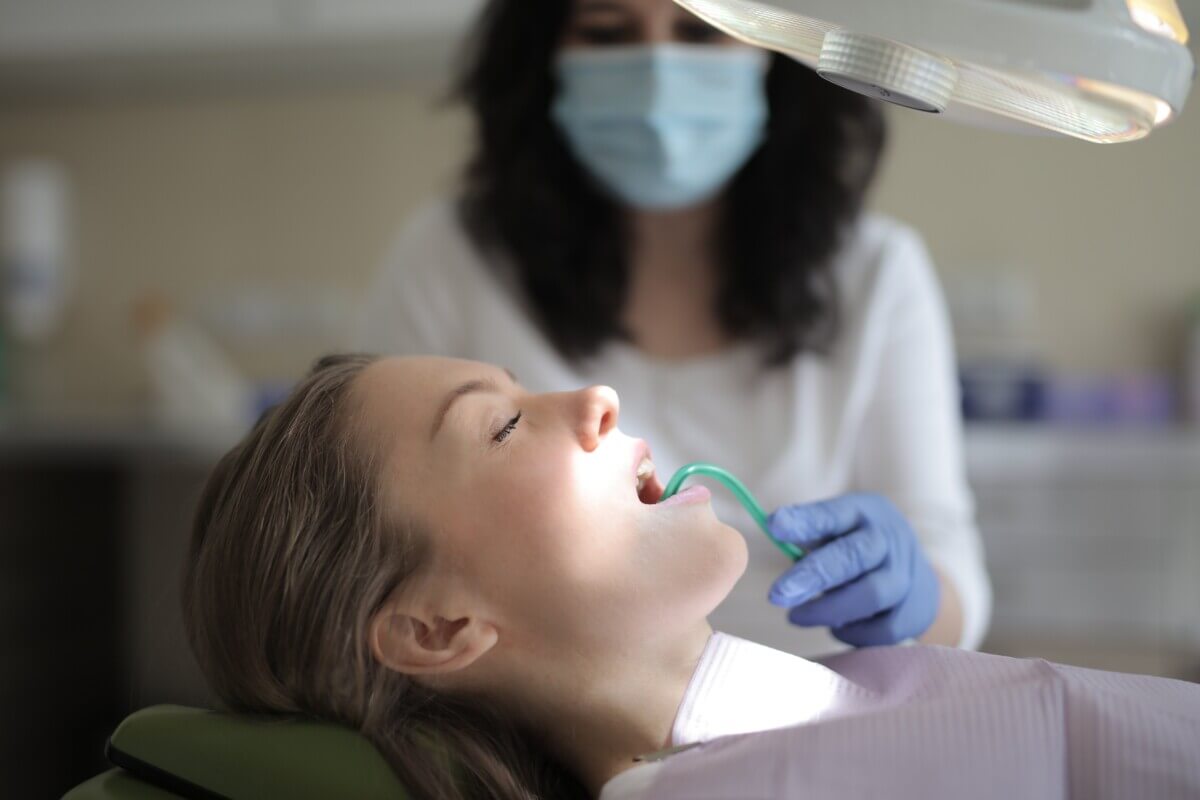
Both dentists and their patients may enjoy improved protection in 2026. (Andrea Piacquadio / pexels.com)
NEWARK, N.J. — Many people hate the dentist, but a new study is revealing why these professionals are the unsung heroes of the medical world. When you go for your annual check-up, researchers say dentists can do more than check for cavities — they can also spot hidden signs of life-threatening sleep disorders.
The new review published in the Journal of the American Dental Association finds dentists are usually among the first to screen people for possible sleep disorders like sleep apnea and refer them to a sleep specialist.
Obstructive sleep apnea describes when a person stops breathing repeatedly throughout the night. Millions of Americans have sleep apnea, which is usually linked to other health problems such as heart disease and neurodegeneration. The number of cases, however, may be higher since most cases are undiagnosed. The review suggests dentists are essential in saving the lives of people with dangerous sleep problems.
“We have a great opportunity to change lives for the better,” says Davis Thomas, a clinical associate professor at the Rutgers School of Dental Medicine and senior author of the review, in a media release. “Dentists can be the first line of defense in identifying sleep disorders. They often see symptoms long before physicians. Indicators like tooth grinding, tongue scalloping, or even a patient dozing off in the chair can be early signs that something more is going on.”
The authors list several physical symptoms dentists should look for during their dental exams, including enlarged jaw muscles, scalloped tongue edges, white lines on the cheeks, reduced visibility of the throat, dental wear patterns, and tiny cracks on teeth. Along with a patient’s medical history and other screening tools, dentists might spot up to 80% of at-risk patients.
“It’s not just about looking at teeth anymore,” Thomas says. “We need to observe the whole patient, from their behavior in the waiting room to the subtle signs in their oral cavity.”

Bruxism, or teeth grinding, is another condition dentists are paying close attention to during exams. Studies show teeth grinding is not just a dental misalignment but a symptom of underlying sleep problems.
“We’ve been treating the symptoms without addressing the root cause for far too long,” Thomas explains. “By understanding the neuroscience behind sleep disorders, we can provide more comprehensive care and potentially prevent serious health complications.”
Along with checking for symptoms, dentists are encouraged to include sleep-related questions in their patient history forms, train dental staff to recognize physical signs of sleep disorders and use screening tools to identify sleep apnea. One popular tool is the STOP-BANG questionnaire, which measures snoring, tiredness, observed apnea, blood pressure, body mass index, age, neck size, and gender. Additionally, the review advises dentists to stay up-to-date with the latest sleep research and how it can apply to their practice.
By having dentists focus beyond the teeth and gums, dentists can start the steps towards early interventions. According to the review, the simple action of checking for signs related to sleep apnea could prevent future complications such as high blood pressure, heart disease, and stroke.
“We’re not asking dentists to diagnose sleep disorders,” Thomas concludes. “We’re asking them to recognize the signs and make appropriate referrals. This simple act can be lifesaving.”
Paper Summary
Methodology
The study conducted a narrative review focusing on sleep neuroscience relevant to dental clinicians. The researchers searched multiple databases, including PubMed, Google Scholar, Web of Science, Embase, and Ovid MEDLINE, for articles published between January 1990 and March 2024. The selected studies were centered around the neuroscience of sleep, particularly in relation to dental medicine. The search terms included sleep neuroscience, circadian rhythms, and sleep disorders. Articles that were inconclusive or duplicate were excluded from the review. The aim was to provide foundational knowledge to dental professionals regarding sleep and its role in patient health.
Key Results
The review found a significant increase in research on sleep neuroscience, especially as it pertains to dental practices. The results highlighted the importance of understanding the connection between sleep disorders such as obstructive sleep apnea (OSA) and their implications for dental clinicians. Key findings include the identification of various neurotransmitters involved in sleep regulation, such as GABA, serotonin, and melatonin.
The review also elucidated the genetic factors, including the CLOCK, PER, and CRY genes, that influence circadian rhythms and sleep disorders. The review emphasized that dental professionals can play a critical role in screening and referring patients for sleep disorders, potentially preventing further health complications.
Study Limitations
This narrative review is limited by its scope, focusing primarily on sleep neuroscience in relation to dental medicine. The study did not conduct primary research or clinical trials, so the findings are based on existing literature, which may have its own limitations.
Additionally, the study excluded non-English articles and research that was deemed inconclusive, which could potentially omit relevant findings. Furthermore, while the review highlights key neurotransmitters and genetic components, it does not explore all potential factors related to sleep disorders comprehensively.
Discussion & Takeaways
The study sheds light on the growing intersection of dental practice and sleep medicine. Dental professionals can serve as early identifiers of sleep disorders like OSA by observing oral health indicators such as bruxism and oropharyngeal crowding. The review suggests that by understanding the underlying neuroscience of sleep, dental clinicians can enhance patient care by integrating sleep disorder screening into their practice. The takeaway is clear: sleep disorders, if detected early, can be managed better, improving overall patient health and reducing the risk of more severe conditions.
Funding & Disclosures
The authors did not report any funding sources for this study. In terms of disclosures, no conflicts of interest were reported by any of the authors involved in the review.


