(© CROCOTHERY - stock.adobe.com)
Researchers create ‘decoy’ receptor that neutralizes SARS-CoV-2, and may block other coronavirus strains too.
FREDERICK, Md. –– In the race to find coronavirus treatments, scientists around the world are working tirelessly to slow or stop SARS-CoV-2, the virus causing this illness. One group from the University of Illinois and the United States Army says their attempt to end the pandemic involves blocking SARS-CoV-2 from entering cells in the first place. Researchers are designing a new receptor protein capable of sticking to COVID-19 before it spreads through your body.
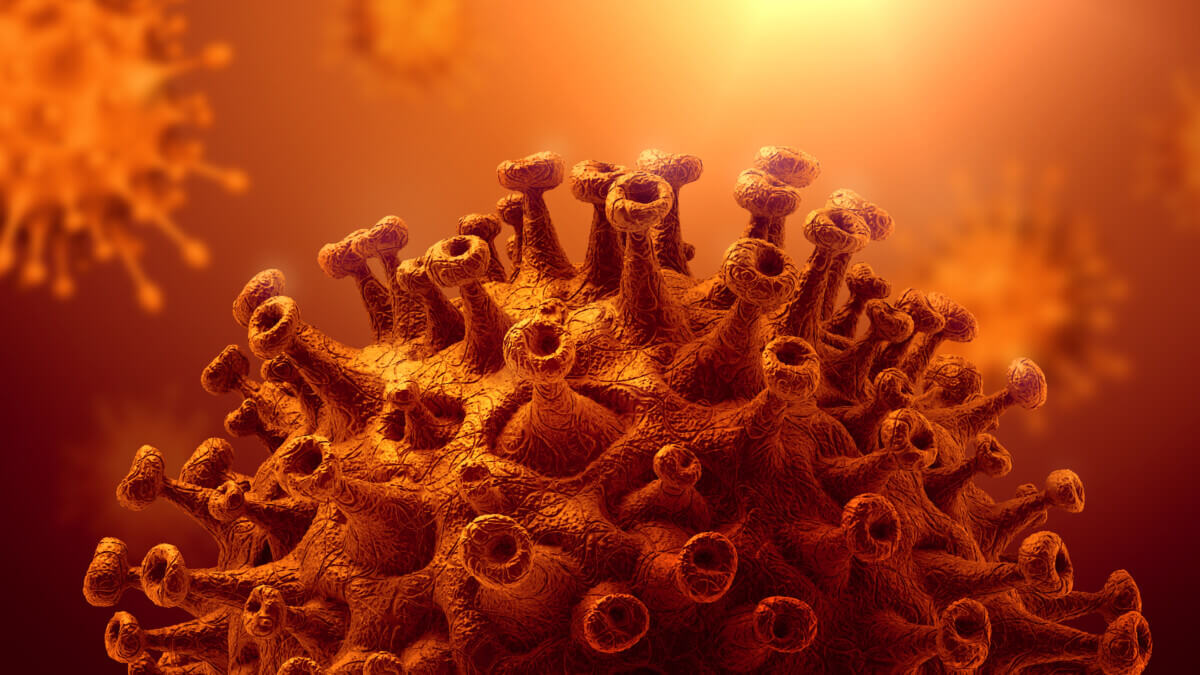
SARS-CoV-2 enters cells by attaching to a specific gene known as angiotensin-converting enzyme 2 (ACE-2). These receptor genes are on the surface of your cells. Researchers are taking advantage of this entry mechanism by creating a mutant “decoy” that looks similar to ACE-2. The decoy receptor works by binding to the SARS-CoV-2 virus’ “spike” protein before it slices through human cells.
The scientists designed their mutant receptor by first looking at over 2,000 possible ways to mutate ACE-2. Specifically, they are focusing on mutations that will increase the strength of attraction between SARS-CoV-2 and human genes. By doing so, the study finds three mutations that increase the affinity between ACE-2 and the virus.
The Illinois researchers then created cells with mutant ACE-2 receptors on their surface. Working with researchers at the U.S. Army Medical Research Institute of Infectious Diseases, the group are exposing the cells to SARS-CoV-2. Their results demonstrate that the mutant receptor can neutralize SARS-CoV-2. Moreover, it can also neutralize SARS-CoV-1, a closely related coronavirus strain.
“Once we confirmed neutralizing activity against SARS-CoV-2, it made sense to test for pan-coronavirus activity against other coronaviruses that also use ACE2 to enter cells,” says Army scientist Dr. Andrew Herbert in a media release.
Although these findings are promising for new COVID-19 treatments, more research is needed to confirm whether or not the mutant receptors could be used to treat or prevent COVID-19 in humans.
The study is published in the journal Science.


