Artist's concept of a Neanderthal unrelated to the study. (Photo 16882486 © Marcos Souza | Dreamstime.com)
TARRAGONA, Spain — In a fascinating blend of archaeology and culinary science, researchers have recently conducted experiments to uncover the mysteries of Neanderthal eating habits. The study offers a unique glimpse into the daily lives and survival strategies of our ancient relatives.
For years, scientists have grappled with the challenge of understanding Neanderthal diets. While it’s well-known that these early humans were skilled big game hunters, their consumption of smaller prey, particularly birds, has remained a subject of intense speculation. The problem lies in the scarcity of archaeological evidence – food preparation, especially of smaller animals, often leaves few traces for scientists to study thousands of years later.
To bridge this gap in our knowledge, a team of researchers led by Dr. Mariana Nabais from the Catalan Institute of Human Paleoecology and Social Evolution in Spain decided to take a hands-on approach. They set out to replicate the potential cooking and butchering techniques that Neanderthals might have used, focusing specifically on bird preparation.
For the study, published in Frontiers in Environmental Archaeology, the team selected birds similar to those found in Neanderthal archaeological sites – crows, doves, and pigeons. They then proceeded to process these birds using methods that Neanderthals might have employed, including both raw butchering and cooking over hot coals.
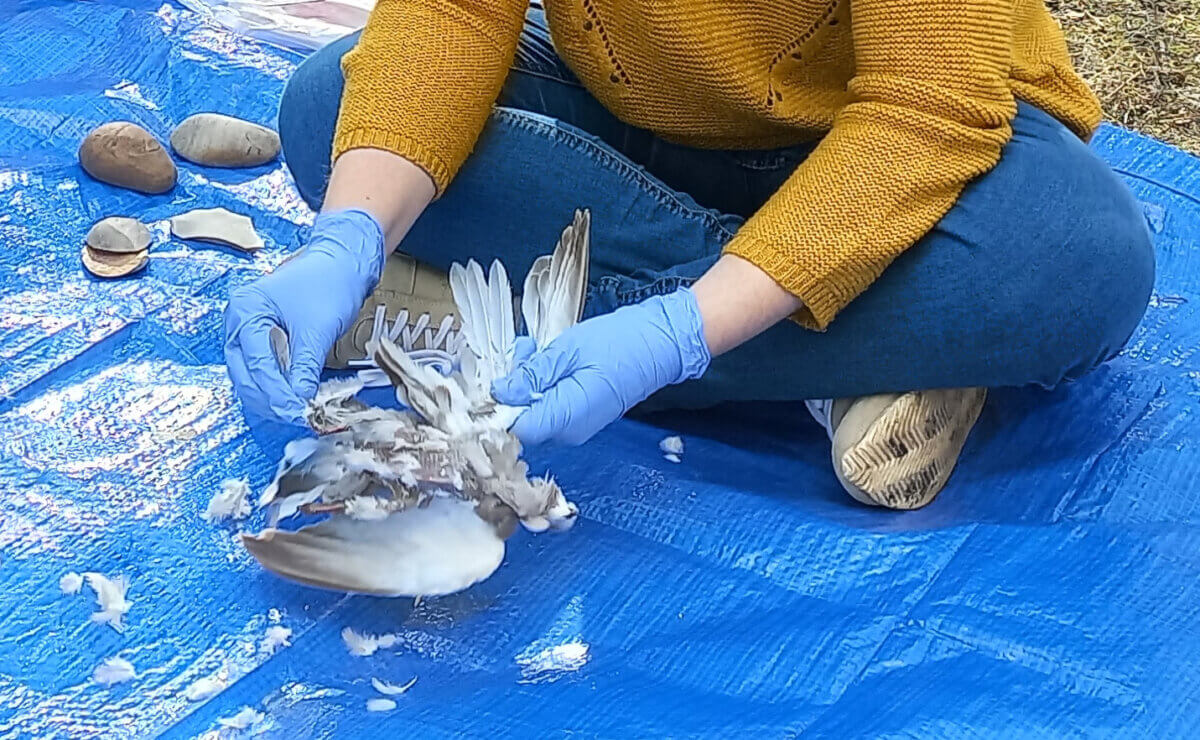
One of the most striking findings came from the comparison between processing raw and cooked birds. “Using a flint flake for butchering required significant precision and effort, which we had not fully valued before this experiment. The flakes were sharper than we initially thought, requiring careful handling to make precise cuts without injuring our own fingers,” Dr. Nabais notes in a statement. “These hands-on experiments emphasized the practical challenges involved in Neanderthal food processing and cooking, providing a tangible connection to their daily life and survival strategies.”
The researchers found that raw birds required considerable use of stone tools, leaving distinctive cut marks on the bones, particularly around joints where tendons needed to be severed. These marks closely resembled those found on bird bones at Neanderthal archaeological sites, providing a crucial link between the experiment and historical evidence.
In contrast, the cooked birds presented a very different scenario. As Dr. Nabais explains, “Roasting the birds over the coals required maintaining a consistent temperature and carefully monitoring the cooking duration to avoid overcooking the meat. Maybe because we defeathered the birds before cooking, the roasting process was much quicker than we anticipated. In fact, we spent more time preparing the coals than on the actual cooking, which took less than ten minutes.”
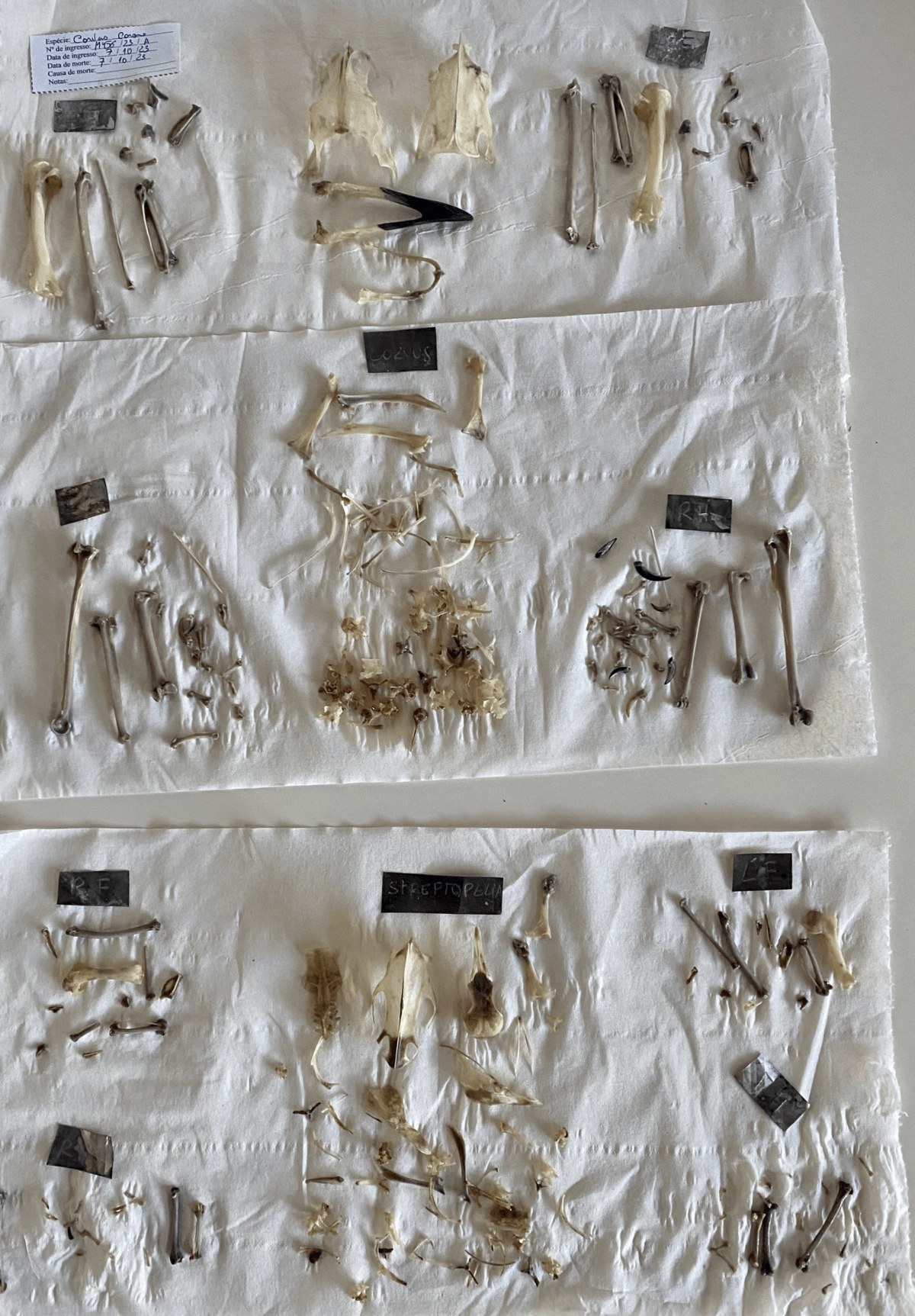
The team discovered that cooked birds were much easier to process, with meat falling off the bone and requiring no tool use. However, this ease of processing came with an unexpected archaeological implication – the cooked bones became more brittle and prone to complete disintegration. Some bones shattered during the experiment and couldn’t be recovered, suggesting that evidence of cooked bird consumption might be underrepresented in the archaeological record.
This study not only sheds light on potential Neanderthal cooking techniques but also highlights the challenges faced by archaeologists in interpreting ancient sites. The fragility of cooked bird bones means that evidence of this dietary practice might be literally crumbling away, leaving gaps in our understanding of Neanderthal cuisine.
Moreover, the research revealed surprising insights about the nutritional value of different bird species. Contrary to expectations, smaller birds like pigeons often provided more edible meat than larger species like crows. This observation raises intriguing questions about why Neanderthals might have chosen certain bird species over others, suggesting that their hunting and gathering strategies might have been more sophisticated than previously thought.
While this study provides valuable insights, the researchers are quick to point out its limitations and the need for further investigation.
“The sample size is relatively small, consisting of only five bird specimens, which may not fully represent the diversity of bird species that Neanderthals might have used,” says Dr. Nabais. “Secondly, the experimental conditions, although carefully controlled, cannot completely replicate the exact environmental and cultural contexts of Neanderthal life. Further research with larger samples, varied species, and more diverse experimental conditions is necessary to expand upon these results.”
As we continue to unravel the mysteries of our ancient relatives, studies like this remind us of the ingenuity and adaptability of Neanderthals. Far from being the brutish, unsophisticated creatures once portrayed in popular culture, these findings suggest a species capable of complex problem-solving and culinary sophistication. By literally walking in their footsteps and handling their tools, researchers are painting a richer, more nuanced picture of Neanderthal life – one tasty bird at a time.
Paper Summary
Methodology
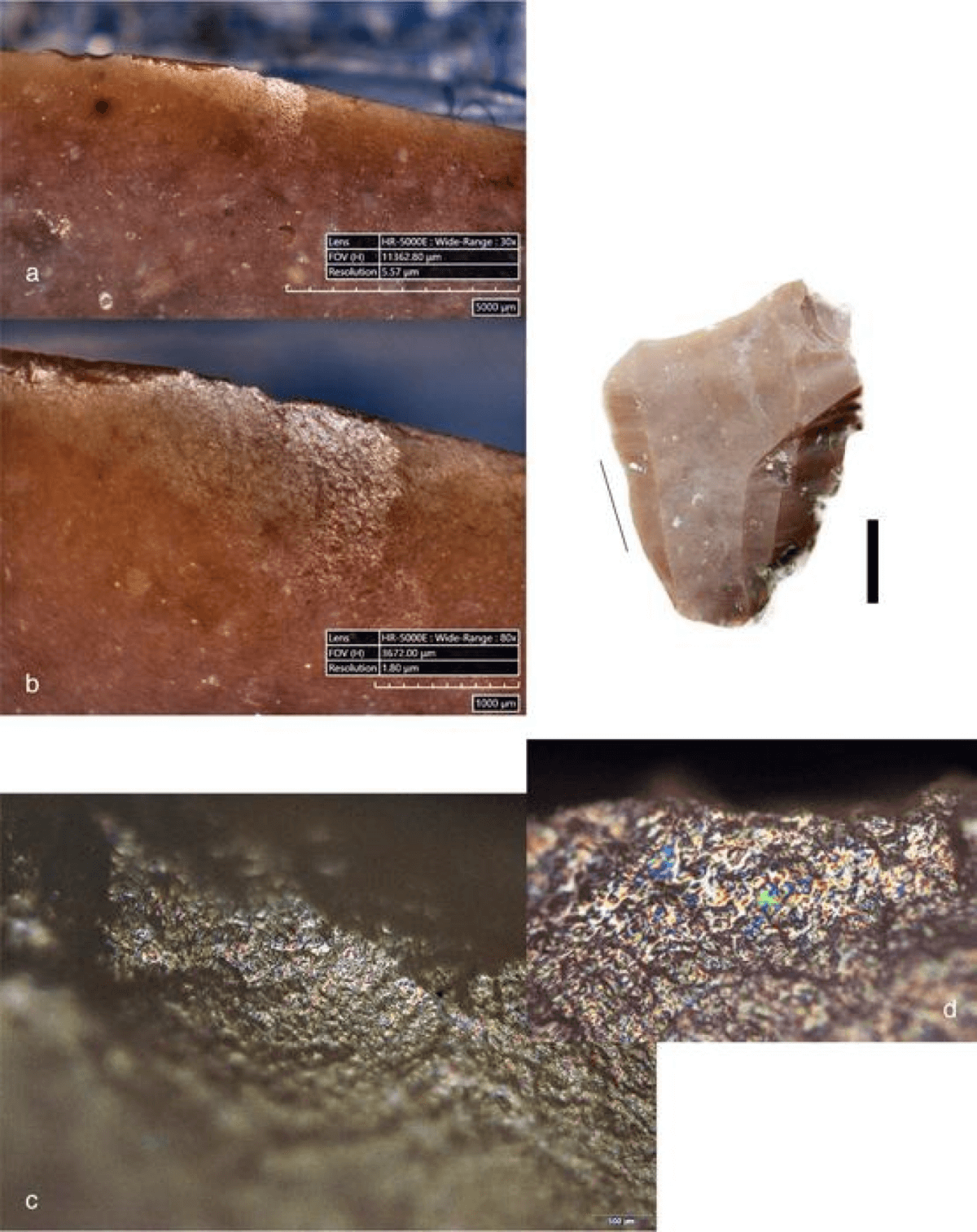
The researchers used five wild bird specimens (two carrion crows, two collared doves, and one wood pigeon) obtained from a wildlife rehabilitation center in Portugal. These birds were chosen to represent species similar to those found in Neanderthal archaeological sites. All birds were first manually defeathered. Two birds (a crow and a dove) were then butchered raw using a flint flake, while the other three were roasted over hot coals before being processed. The researchers carefully documented all aspects of the preparation, including the time taken, the ease of meat removal, and the marks left on the bones. After processing, the bones were cleaned and examined microscopically for cut marks, breaks, and burns. The flint flake used in butchering was also analyzed for wear patterns.
Results
The study revealed significant differences between processing raw and cooked birds. Raw birds required more effort and precision to butcher, leaving distinctive cut marks on the bones, particularly around joints. The flint flake used showed small half-moon scars on its edge from this process. Cooked birds, on the other hand, were much easier to process, with meat falling off the bone without the need for tools. However, the bones from cooked birds were more brittle, with some shattering during the experiment. Nearly all cooked bones showed brown or black burns consistent with controlled heat exposure. Interestingly, smaller birds like pigeons often provided more edible meat than larger birds like crows.
Limitations
The researchers acknowledged several limitations to their study. The sample size was small, with only five bird specimens used, which may not fully represent the diversity of birds Neanderthals might have encountered. The experimental conditions, while carefully controlled, cannot exactly replicate the environmental and cultural context of Neanderthal life. Additionally, the birds used came from a wildlife rehabilitation center, which may not accurately represent the condition of birds Neanderthals would have hunted. The researchers emphasize the need for further studies with larger samples, more varied species, and diverse experimental conditions to build upon these initial findings.
Discussion and Takeaways
This study provides valuable insights into potential Neanderthal food processing techniques and their archaeological visibility. The ease of processing cooked birds, coupled with the increased fragility of cooked bones, suggests that evidence of bird consumption might be underrepresented in archaeological sites. The study also highlights the potential nutritional importance of smaller bird species to Neanderthals. The researchers suggest that future studies should explore a wider range of bird species, different cooking methods, and the processing of birds for non-food products like feathers or talons. This research contributes to a growing body of evidence suggesting that Neanderthals had sophisticated survival strategies and potentially complex culinary practices.
Funding and Disclosures
The study was supported by various funding sources, including a Marie Skłodowska-Curie grant from the European Union’s Horizon 2020 research and innovation programme, the State Research Agency of the Spanish Ministry of Science and Innovation, and the Portuguese Foundation for Science and Technology (FCT). The authors declared no conflicts of interest.


