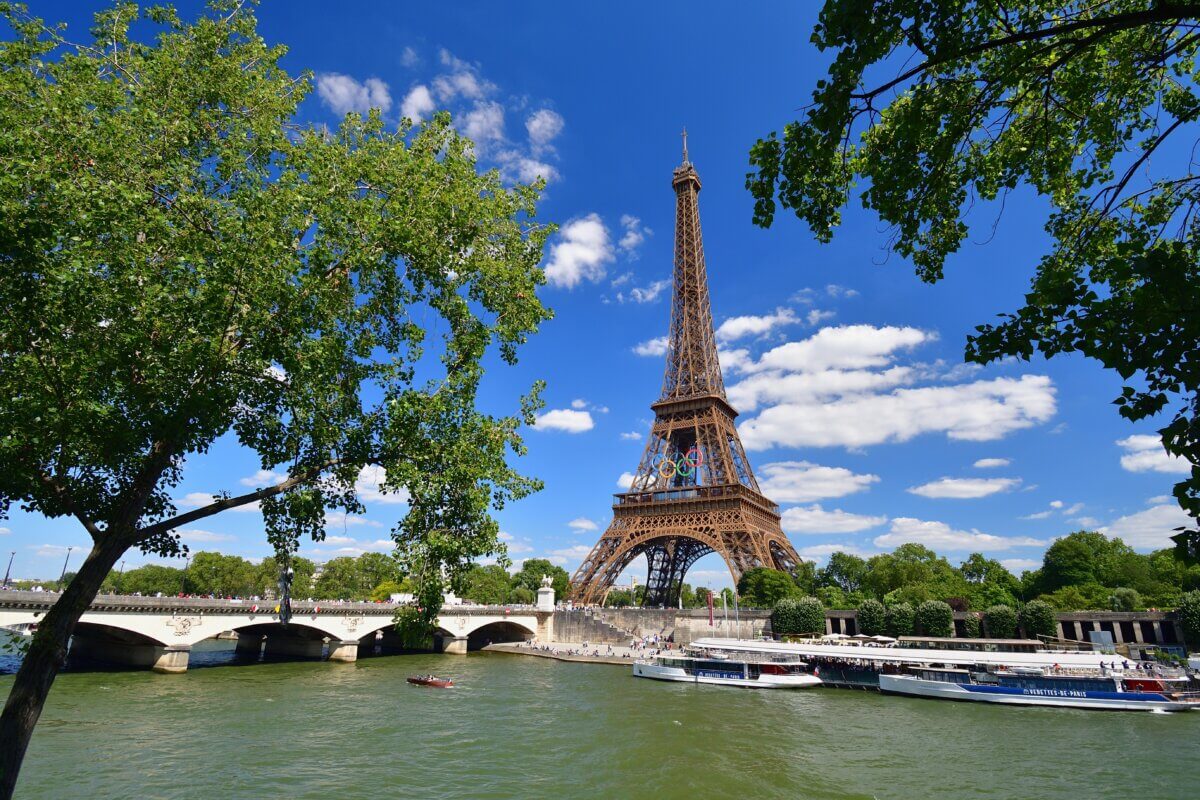
(Credit: Shutterstock)
More Olympic athletes have reportedly fallen ill after their swimming events in the Seine River and another event was canceled on Tuesday, Aug. 6 due to concerns about water quality.
Belgium’s Claire Michel was hospitalized during the Olympics’ first week after swimming in the Seine for the women’s triathlon on July 31, for what Belgian media reported as E. coli infection, a bacterial illness. That contradicts an Aug. 7 story by the Associated Press that Michel reportedly said blood tests showed it was a virus that made her sick — E. coli is not a virus.
Belgian’s Olympic committee announced on Aug. 4 that their team had to withdraw from the next day’s mixed triathlon because Michel was unable to compete and there was no one to replace her.
Sweden’s Adrien Briffod became ill with a “stomach bug” after swimming in the men’s triathlon in the Seine during the Paris games, according to a report from SBS news. The article states that Swiss officials said it was “impossible to say” whether his disease was linked to swimming in the river.
New Zealand’s triathlete Hayden Wilde and a teammate also fell ill with E. Coli infections after swimming in the Seine in individual events, according to Radio NZ. The station also reports that the illnesses affected their preparation for the team event on Aug. 5.
On Aug. 6, a practice swim session for athletes to familiarize themselves with the Seine was cancelled due to concerns about water quality and was rescheduled. The Associated Press reported that the practice session would take place the next day, although there are still concerns about water quality.
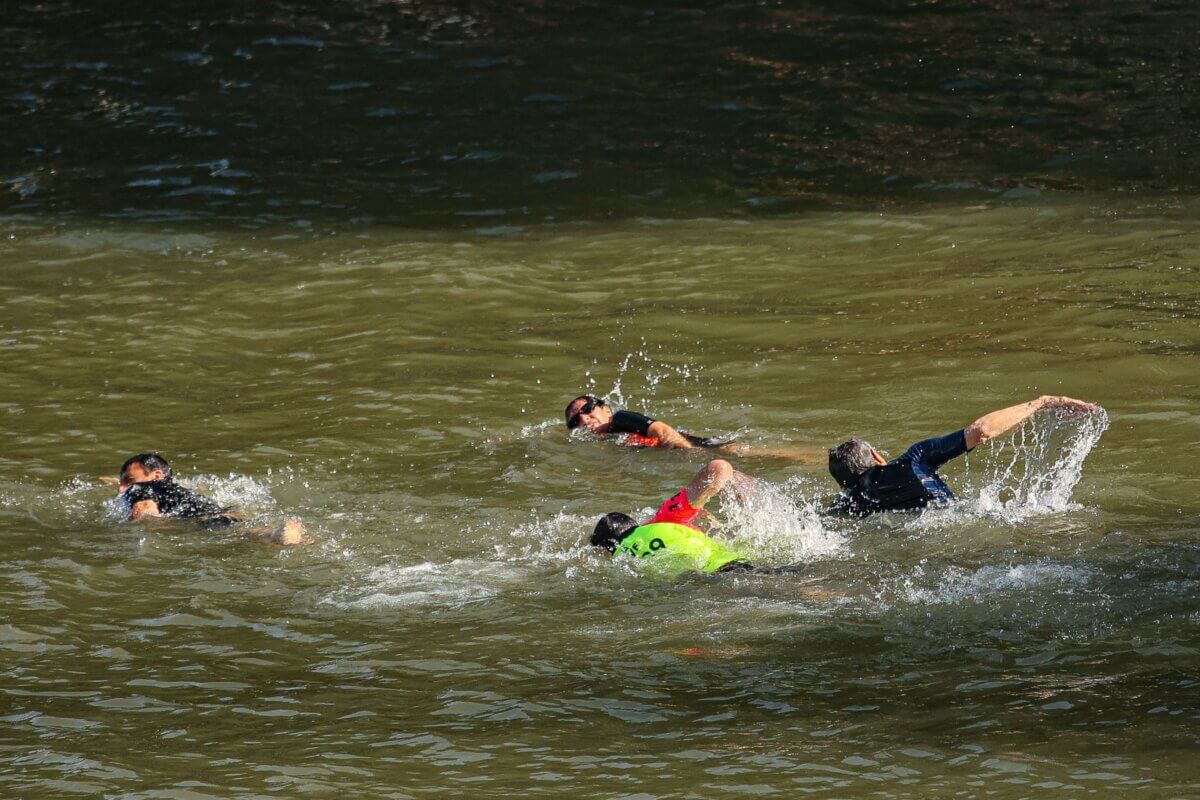
The concern about the water quality of the Seine has been an ongoing issue. It has been illegal to swim in the river for more than 100 years. France spent $1.5 billion over nine years to bring the river into compliance for the Olympics. Despite the remedial measures, unusually heavy rainfall, especially marking the Olympics’ opening events, has overwhelmed the city’s water system, forcing untreated sewage into the river.
Belgium’s Jolien Vermeylen, who finished 24th in the women’s triathlon, said that she didn’t think the water was safe enough to swim in, according to the UK’s Metro.
“While swimming under the bridge, I felt and saw things that we shouldn’t think about too much,” Vermeylen said. “I drank a lot of water, so we’ll know tomorrow if I’m sick or not.”
Why is this issue so dangerous for swimmers?
Swimming in water contaminated with E. coli bacteria puts you at risk for a gastrointestinal infection with nausea, vomiting, abdominal cramps, and diarrhea. There are a host of other bacteria and viruses found in contaminated water. The most prevalent illnesses for which you may be at risk include:
- Salmonellosis: A bacterial infection caused by Salmonella that can cause fever, severe diarrhea, and other symptoms.
- Campylobacteriosis: A bacterial illness caused by Campylobacter that causes diarrhea.
- Shigellosis: An illness caused by the Shigella bacteria that causes fever, stomach pain, and diarrhea.
The most common way people get these illnesses is by accidentally swallowing contaminated water. It’s difficult when you’re swimming not to get small, microscopic amounts of water in your mouth. The exact amount it would take to make you sick depends on the bacteria and its concentration in the water.


