pexels.com
SÃO PAULO, Brazil — Could a simple citrus rind be the key to keeping food fresh for longer? That’s what researchers in Brazil are investigating amid rising concerns over the accumulation of non-degradable plastic waste.
Scientists from the State University of Campinas’ School of Chemical Engineering and the Institute of Food Technology in São Paulo have developed a film made from limonene, found in citrus fruit peels, and chitosan, a substance derived from crustacean exoskeletons.
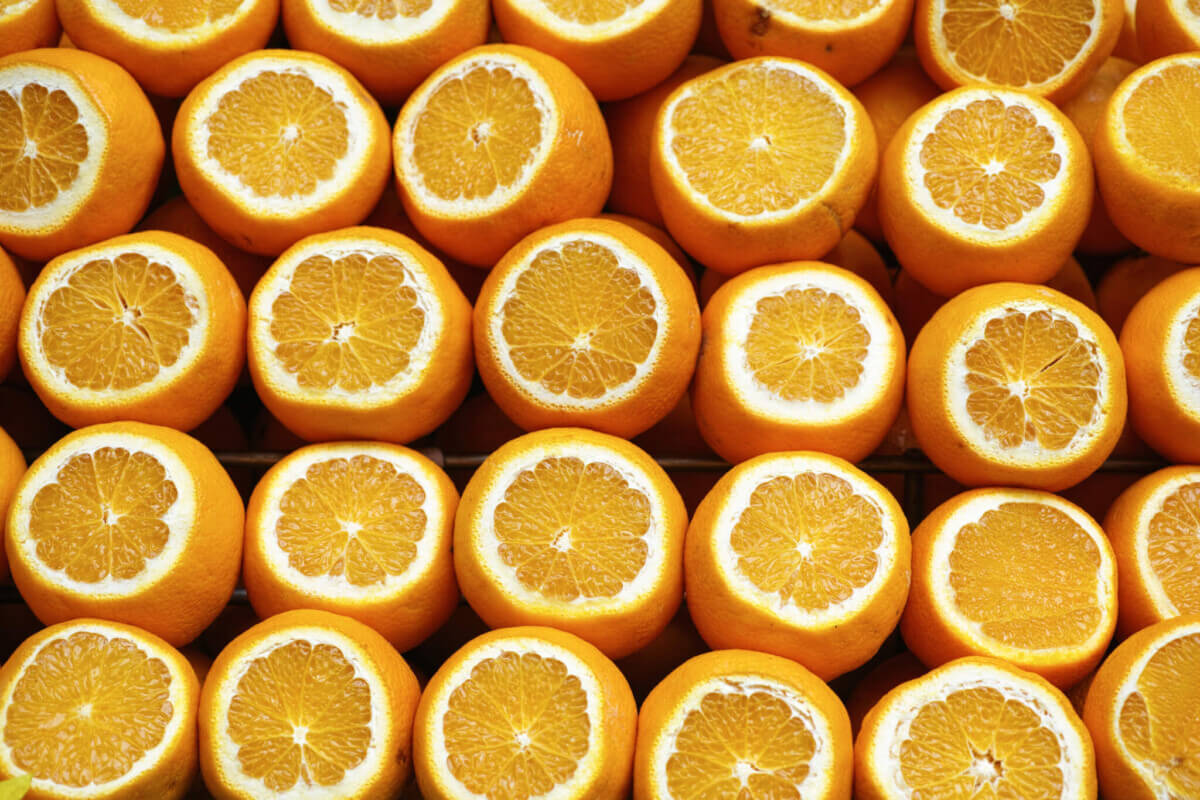
“We focused on limonene because Brazil is one of the world’s largest producers of oranges [if not the largest] and São Paulo is the leading orange-producing state,” says Roniérik Pioli Vieira, study author and a professor at FEQ-UNICAMP, in a media release.
However, despite limonene’s promising antioxidant and antimicrobial properties, its volatility poses challenges for food packaging applications. Addressing this limitation, the team turned to a limonene derivative, poly(limonene), known for its stability.
“To solve this problem, we came up with the idea of using a derivative of limonene called poly(limonene), which isn’t volatile or particularly unstable,” Vieira explains.
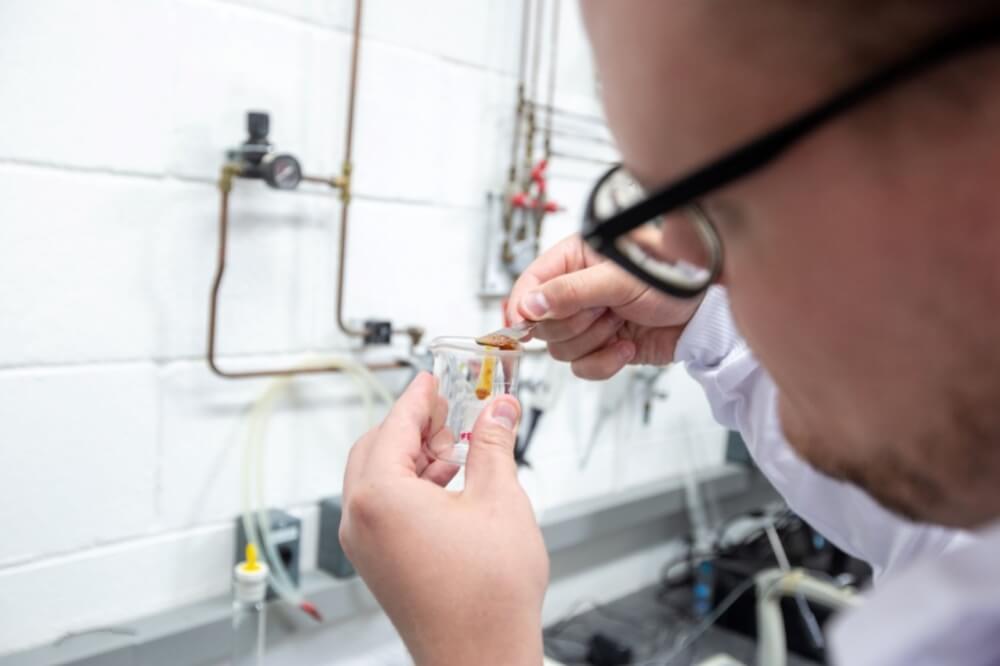
Chitosan was selected as the base material due to its natural origins and protective properties. The combination, researchers hypothesized, would result in a film with superior bioactive characteristics. Lab tests involved comparing varying ratios of limonene and poly(limonene) mixed with chitosan, given their inherent incompatibility. The team employed polymerization, using a polar compound, to enhance the mixture’s cohesion. Analysis of the resulting films showcased favorable results.
“The films with the poly(limonene) additive outperformed those with limonene, especially in terms of antioxidant activity, which was about twice as potent,” Vieira reports.
Besides its potent antioxidant capacity, the material also showed potential as an ultraviolet radiation blocker. Despite the promising findings, these films aren’t ready for the commercial market. Challenges remain in scaling chitosan-based plastic production and optimizing the poly(limonene) production process.
“Our group is working on this. We’re trying to demonstrate the multi-functionality of this additive, whose origins are renewable,” Vieira concludes, adding he is also exploring the applications of poly(limonene) in other areas like biomedicine.
The study is published in the journal Food Packaging and Shelf Life.


