(© ALAIN VERMEULEN - stock.adobe.com)
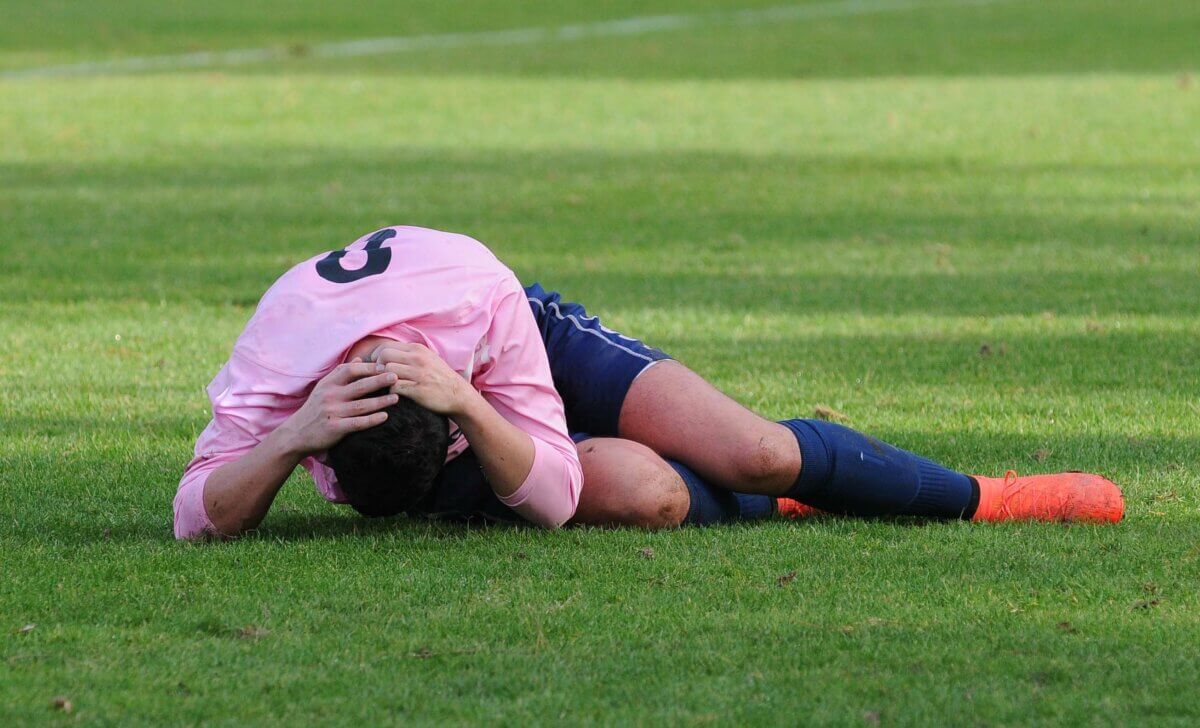
BOSTON — You’ve likely seen it play out on TV — be it a movie or a sports event — a thousand times: someone falls or suffers a head injury, then shakes their head quickly as if to clear out the fog. I can remember, as a kid, hearing cartoon characters make that “bibbity-bobbity” sound of discombobulation in the process. While we may not have thought twice about it then, Harvard neuroscientists, led by former WWE superstar Chris Nowinski, suggest that now we should. It turns out that this seemingly instinctive head-shaking motion could be one of the most reliable signs of concussion.
Consider this: according to their study, nearly 70% of athletes recall actually making this motion after collisions. Even more alarming, more than 90% of those instances wound up being associated with concussion symptoms.
Amazingly, medical experts have somehow glazed right over the motion all this time. Perhaps it was long dismissed as nothing more than the accepted way to “shake it off” after a head bump. Now, it’s got a name, and an appropriate one at that: “SHAAKE,” or Spontaneous Headshake After a Kinematic Event.
Nowinski, who is now the CEO of the Concussion Legacy Foundation, wants to make sure we all know that SHAAKE strongly indicates a resulting concussion, with the hope that it becomes a regular diagnostic tool.
A stunning oversight
Nowinski is no stranger to concussion symptoms: his WWE career was cut short because of post-concussion syndrome. Ever since, he’s been at the forefront of concussion research and advocacy. He tells me that the behavior was actually used by pro wrestlers to demonstrate the daze of concussion-like symptoms in the ring. It’s what eventually led him to prove that SHAAKE needs to be taken seriously in real life.
“I’ve associated SHAAKE with experiencing concussion symptoms for a long time, and I even performed the motion as a WWE wrestler to imply I was stunned after a hit to the head,” he says. “Years later, I would often complain on social media when NFL players displayed a SHAAKE and were not removed and assessed.”
When Miami Dolphins quarterback Tua Tagovailoa displayed the SHAAKE motion twice after hitting his head in a September 2022 game, Nowinski hoped to bring more attention to it, but to no avail. Four days later, Tagovailoa suffered yet another concussion that led to him being hospitalized.
“I complained on social media and in the press that the headshake was a telltale sign of concussion that was being ignored,” he says. “When my comments were ignored, I started researching it and realized not only was the headshake not on any organization’s list of potential concussion signs, but it had never been studied or given a medical name.”
Who has experienced SHAAKE?
Nowinski, a former football player himself during his undergrad years at Harvard, brought together doctors and scientists from Harvard Medical School and Boston University Alzheimer’s Disease Research and CTE Centers for the study. The team surveyed 347 current and former athletes under age 30 about their experiences with the head-shaking movement. They focused on younger athletes to minimize memory bias and because this group would have played sports under modern concussion definitions and education protocols.
Nearly half of the participants (46%) were college athletes, while 41% had played high school sports, with football, soccer, and basketball the most common. About 48% of the athletes were female.
University of South Australia)
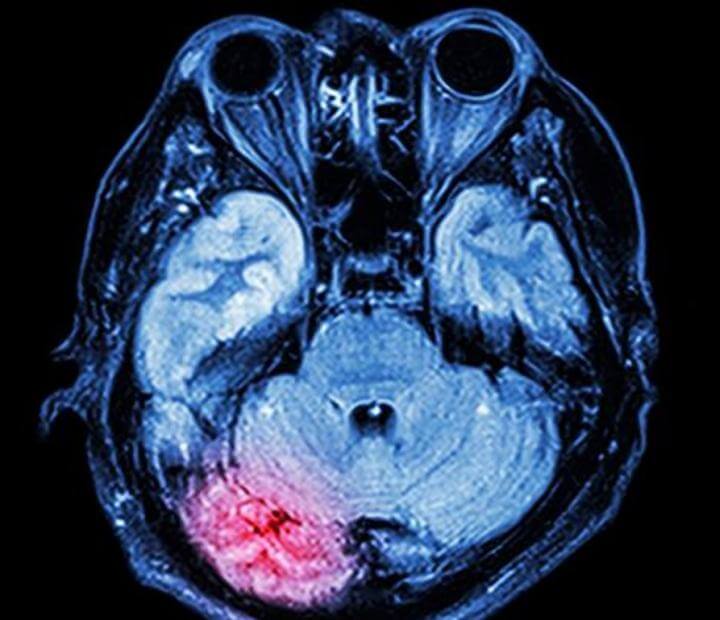
When shown video examples of the SHAAKE motion, 68.9% of athletes recognized and recalled making this movement themselves after collisions. On average, those who reported the motion said they had done it about five times, with four of those instances being associated with a diagnosed concussion.
The most common reasons athletes gave for making the SHAAKE motion were feeling disoriented or confused (72%), experiencing dizziness (54%), and having “a feeling like they needed to jumpstart their brain” (52%). Other frequently reported symptoms included vision changes, balance problems, and altered spatial awareness.
For football players specifically, study authors were able to calculate more detailed statistics by incorporating data from previous studies measuring the average number of head impacts players experience per season. They found that when a football player exhibited the SHAAKE motion, it was associated with a concussion a whopping 92% of the time.
The need for better concussion protocols
So how was this easily recognizable symptom seemingly brushed off by the medical community for so long?
“That’s a great question,” says Nowinski. “I think the answer is that building concussion protocols and training concussion spotters has only been around for 15 years. I’m not surprised it was missed by others because it was also missed by me, as I hadn’t realized it wasn’t on the list. It wasn’t on there, in part, because no one had conducted a study on it, so it was absent from the literature.
“Sometimes, it takes an event to put something obvious in the protocol,” he continues. “For example, the fencing response was published as a sign in 2009, yet it wasn’t added to the NFL’s list of ‘no-go’ criteria until Tom Savage displayed it and was left in a game in 2017.”
The findings, published in Diagnostics, should lead to considerable changes for sideline concussion screening moving forward. SHAAKE could help identify up to 33% of undiagnosed cases, Nowinski believes.
“Studies are clear that athletes rarely self-report concussion symptoms, so coaches, trainers, and teammates need to play the role of detectives looking for signs of concussion,” he says. “I don’t think we need to do much training on SHAAKE, as people recognize it from movies and cartoons. But we do need to educate people that the first study on it suggests that most of the time athletes display a SHAAKE, they are experiencing concussion symptoms, and they should be removed and assessed per the organization’s guidelines.”
Paper Summary
Methodology
The researchers conducted an email survey of athletes under 30 from the Concussion Legacy Foundation’s research registry. Participants watched video examples of the SHAAKE motion and answered questions about whether they had ever made similar movements after collisions, how many times, and what symptoms they experienced. They were also asked about their concussion history after being given a standard definition of concussion. The study achieved a 33.3% response rate with 347 completed surveys.
Results
The study found that 68.9% of athletes had made the SHAAKE motion at least once, with 64.3% reporting it occurred with a concussion. The median number of reported SHAAKEs was 5, with 4 being associated with concussions. When football-specific data was analyzed using known head impact frequencies, SHAAKE showed 52.3% sensitivity (ability to detect concussions) and 99.9% specificity (accuracy in identifying non-concussions).
Limitations
The study relied on self-reported data, which could introduce recall bias despite the focus on younger athletes. The participant pool was primarily from North America and predominantly white (92.2%). The researchers couldn’t directly observe when SHAAKEs occurred relative to impacts, and video evidence was limited since the motion often happens off-field.
Discussion and Takeaways
The researchers argue that SHAAKE could be a valuable addition to concussion screening protocols, particularly since it’s easily observable and appears to have strong predictive value. While not suggesting it should trigger automatic removal from play, they recommend using it as an indicator for further evaluation, similar to other warning signs like slow recovery from a fall.
Funding and Disclosures
The study received no external funding. Nowinski reported nonfinancial support (travel reimbursement) from the NFL Players Association (NFLPA), NFL, World Rugby, WWE, and AEW (All Elite Wrestling); he has served as an expert witness in cases related to concussion and CTE and is compensated for speaking appearances and serving on the Players Advocacy Committee for the NFL Concussion Settlement. He also serves as an advisor and options holder for Oxeia Biopharmaceuticals, PreCon Health, and StataDx outside the submitted work. Daneshvar serves as an expert witness in legal cases involving brain injury and concussion and serves as an advisor and options holder for StataDx outside the submitted work. He receives funding from the Football Players Health Study at Harvard University, which is funded by the NFLPA and evaluates patients for the MGH Brain and Body TRUST Center, sponsored in part by the NFLPA.


