
little kid taking care of her sick mother (© AntonioDiaz - stock.adobe.com)
MIAMI, Fla. — While infectious diseases remain a leading cause of death among children globally, a recent study is shedding light on how children are able to recognize and avoid illnesses others may have. The World Health Organization (WHO) notes that children are more prone to infectious illnesses than their parents. However, researchers say youngsters do have a relatively hidden skill for keeping themselves healthy — they can see illness in someone else’s face.
Researchers investigated how children and adults respond to images of sick faces. These images depicted individuals when they were ill and when they were healthy. The study found that older children (ages 8-9) and adults were both able to distinguish between healthy and sick faces.
“Building upon our previous studies in adults, we hypothesized that sensitivity to facial cues of sickness would emerge in childhood (4-to-9-year-olds). We predicted that this sensitivity would increase with age, reflecting a behavioral immune system that becomes fine-tuned through experience,” says Tiffany Leung, a developmental psychology doctoral student at the University of Miami, in a university release. “By better understanding how people naturally avoid illness in others, we may identify what information is used and ultimately improve public health.”
The study was conducted online with participants from the United States, Canada, and the United Kingdom. It involved presenting two images side-by-side – one of a healthy individual and one of the same individual while sick. The participants then had to select which face appeared healthier and later identify which individual appeared sick.
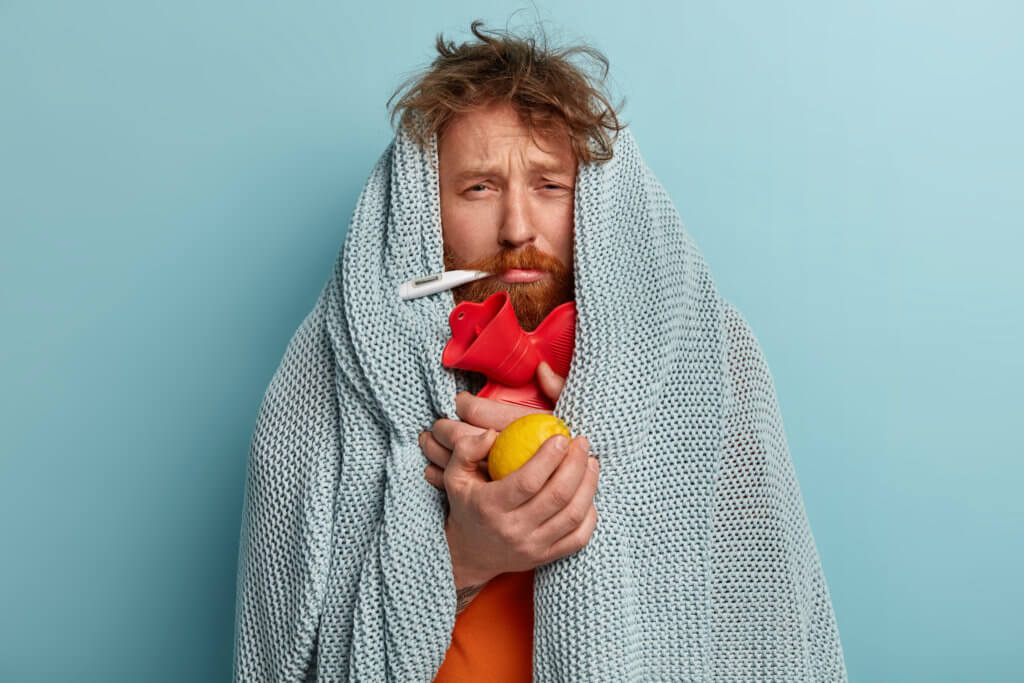
A fascinating finding was that the ability to recognize and avoid sick faces improved with age. While eight to nine-year-olds were capable of distinguishing sick faces, adults outperformed them. Similarly, these children displayed better facial recognition skills than four to five-year-olds. This suggests that our ability to recognize illness visually develops as we age.
“We’re so grateful to everyone who took part in our studies and especially to those who donated photos of their faces when they were sick,” says Elizabeth Simpson, an associate professor of psychology and director of the Developmental Psychology Program at the University of Miami in the College of Arts and Sciences. “To explore whether we can improve sick face perception skills and improve public health, we are continuing to collect sick face photos.”
The study did have limitations. Most participants were White and non-Hispanic from Western cultures. There’s a need for more diverse research, especially since race might influence the perception of sick faces. The study also relied solely on still images, which doesn’t account for other factors such as voice or body language. Using only adult faces might have provided an advantage to adult participants, suggesting a broader variety of images, including children, would be beneficial in future studies.
The study is published in the journal Child Development.


