MONTREAL, Quebec — Cannabidiol, or CBD, continues to gain a large following among people who believe in the marijuana ingredient’s healing properties. While researchers say CBD can have a positive impact on brain and liver health, a new study finds it’s virtually useless at treating addiction.
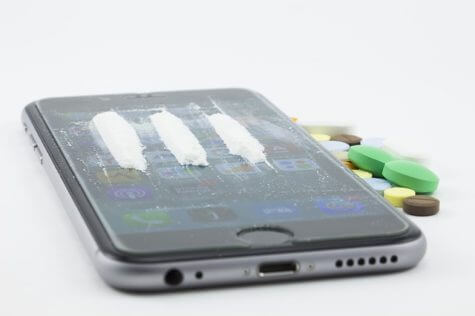
A team from Centre hospitalier de l’Université de Montréal (CHUM) Research Center says cannabidiol is no more effective at treating patients addicted to cocaine than a placebo. Around 5.5 million in North America use cocaine. Researchers say nearly one in five people using become addicted and start abusing the drug. They add there is currently no clinical way of treating cocaine use disorder.
What makes CBD so appealing?
CBD is a chemical in the cannabis sativa plant. While it may come from marijuana, it does not cause the same psychoactive effects that make people “high.”
On the other hand, studies have pointed to a connection between CBD and lessening stress and even treating antibiotic-resistant infections. The Canadian team aimed to see how the chemical would fare at reducing an addict’s dependence on cocaine.
Unfortunately, the results reveal that taking CBD regularly doesn’t make addicts want to use cocaine any less, nor does it reduce the risk of recovering addicts having a drug relapse.
No better than taking a placebo
The study examined 78 coke addicts with an average age of 46 years-old. Most of the recruits had been suffering from severe cocaine use disorder.
Researchers split the addicts into two groups, one receiving 800 mg of cannabidiol each day and the other taking a placebo. Neither the researchers nor the participants knew which treatment each person was receiving during the experiment. After 10 days in a hospital for detox, each person went home and received a weekly check-up for three months.
“In our study, the use of CBD was not more effective than a placebo in treating cocaine use disorder,” says study first author Violaine Mongeau-Pérusse in a media release. “Although it is safe and produces only mild side effects, CBD reduces neither the craving to use cocaine nor the risk of a user’s relapse after detoxification.”
Setting new guidelines for CBD
The team, led by Professor Didier Jutras-Aswad from the Université de Montréal, say their findings about cannabidiol and drug addiction are conclusive. They hope their results help medical professionals adjust their guidelines regarding CBD use.
Mongeau-Pérusse adds that more research will help sort out what doctors should and should not be prescribing CBD for as a treatment. For now, study authors are sure that if someone needs to quit a cocaine habit, cannabis can’t help them.
The study appears in the journal Addiction.


