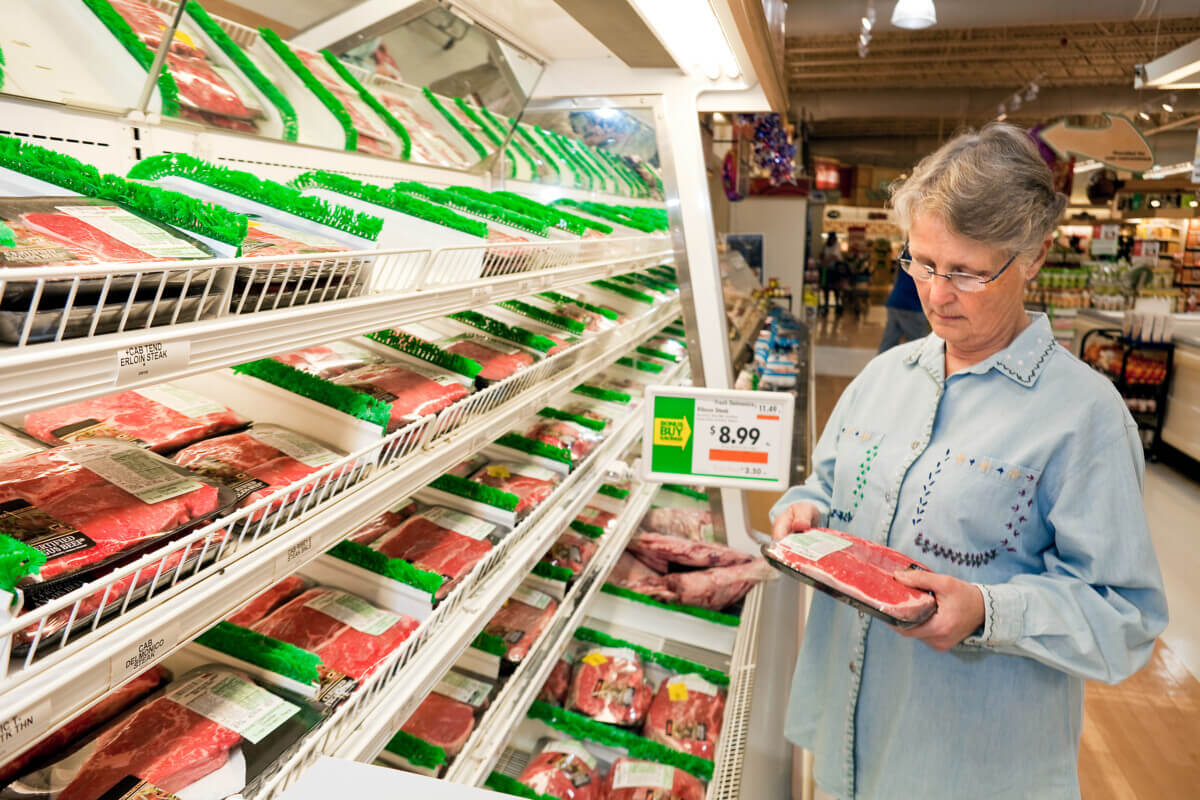
Not all meats are created equal when it comes to your health. (Credit: USDAgov, licensed under CC BY 2.0.)
In A Nutshell
- A new McMaster University study suggests higher consumption of animal protein correlates with lower cancer mortality.
- But the study grouped all animal proteins (fish, poultry, dairy, red meat, and processed meats) making it unclear which foods drive the effect.
- Fish and some dairy may have protective properties, while processed meats remain strongly tied to cancer risk.
- The study was funded by the National Cattlemen’s Beef Association, raising questions about potential conflicts of interest.
- Experts caution this isn’t a green light for unlimited red meat intake; balance and variety remain key for long-term health.
For years, health authorities have warned against red meat consumption, with the World Health Organization’s cancer research arm classifying it as “probably carcinogenic to humans.” But a controversial new study challenges that position, suggesting that animal protein might protect against cancer deaths rather than cause them.
The International Agency for Research on Cancer (IARC), part of the WHO, has long classified red meat, including beef, pork, lamb and mutton, as probably carcinogenic. And processed meats such as bacon and sausages are classified as definite carcinogens. This judgment reflects multiple studies linking red meat to colorectal cancer, forming the basis of dietary advice to limit intake.
Yet the new research by Canada’s McMaster University suggests the opposite: that people who consume more animal protein may actually have lower cancer mortality rates. But, before you rush out to buy a pack of sausages, there are some important points you should note.
The study’s methods contain important nuances that complicate its headline-grabbing conclusions. Rather than examining red meat specifically, the researchers analyzed consumption of “animal protein,” a broad category that includes red meat, poultry, fish, eggs and dairy products. This distinction matters significantly because fish, particularly oily varieties such as mackerel and sardines, are associated with being cancer-protective.
By grouping all animal proteins together, the study may have captured the protective effects of fish and certain dairy products rather than proving the safety of red meat.
Dairy products themselves present a complex picture in cancer research. Some studies suggest they reduce colorectal cancer risk while potentially increasing prostate cancer risk. This mixed evidence underscores how the broad “animal protein” category obscures important distinctions between different food types.
The study, which was funded by the National Cattlemen’s Beef Association, America’s primary beef industry lobbying group, contains several other limitations. Crucially, the researchers didn’t distinguish between processed and unprocessed meats – a distinction that countless studies have shown to be vital.
Processed meats such as bacon, sausages and deli meats consistently show higher cancer risks than fresh, unprocessed cuts. Additionally, the research didn’t examine specific cancer types, making it impossible to determine whether the protective effects apply broadly or to particular cancers.
Interestingly, the study also examined plant proteins, including legumes, nuts and soy products such as tofu, and found they had no strong protective effect against dying of cancer. This finding contradicts previous research suggesting that plant proteins are linked to decreased cancer risk, adding another layer of complexity to an already confusing picture.
These findings don’t diminish the established health benefits of plant-based foods, which provide fiber, antioxidants and other compounds associated with reduced disease risk.

Not A Green Light
Even if the study’s conclusions about animal protein prove accurate, the study shouldn’t be interpreted as a green light for unlimited meat consumption. Excessive red meat intake remains linked to other serious health conditions, including heart disease and diabetes. The key lies in moderation and balance.
The conflicting research highlights the complexity of nutrition science, where isolating the effects of individual foods proves remarkably difficult. People don’t eat single nutrients in isolation – they consume complex combinations of foods as part of broader lifestyle patterns. It’s more important to focus on overall dietary patterns rather than fixating on individual foods.
A balanced plate approach, featuring a variety of protein sources, plenty of vegetables and fruits, and minimally processed foods, remains the most evidence-based path to optimal health.
While this latest study adds a new dimension to the meat debate, it’s unlikely to be the final word. As nutrition science continues to evolve, the most prudent approach remains the least dramatic: moderation, variety and balance in all things.
Ahmed Elbediwy, Senior Lecturer in Clinical Biochemistry / Cancer Biology, Kingston University.
Nadine Wehida, Senior Lecturer in Genetics and Molecular Biology, Kingston University.
The authors do not work for, consult, own shares in or receive funding from any company or organization that would benefit from this article, and have disclosed no relevant affiliations beyond their academic appointment. This article is republished from The Conversation under a Creative Commons license. Read the original article.


