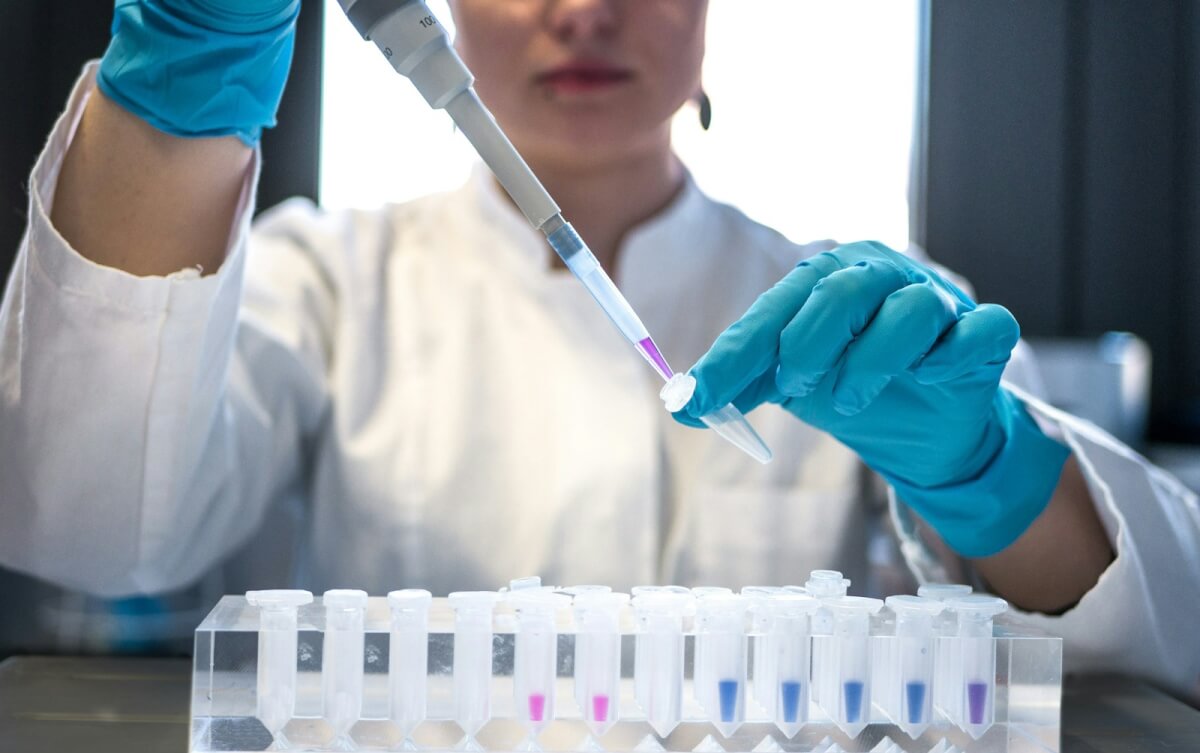
Photo by Julia Koblitz on Unsplash
CAMBRIDGE, England — A new cancer drug could offer hope for patients with severe lung damage caused by COVID-19, scientists say. The drug, known as agenT-797, initially developed for cancer treatment, has shown promise in treating acute respiratory disease syndrome (ARDS), a critical condition that impairs lung function, often seen in serious COVID-19 cases.
In a study involving 20 patients with severe ARDS due to COVID-19, all of whom required mechanical ventilation, agenT-797 induced an anti-inflammatory response, potentially aiding the immune system in combating the infection. Remarkably, 70% of the trial participants survived 30 days post-treatment, a significant improvement compared to a 10% survival rate in a control group.
Patients receiving the highest dose of agenT-797 exhibited an 80% lower risk of developing bacterial pneumonia compared to those given the lowest dose. The research highlights that agenT-797 revitalizes ‘exhausted’ T cells and promotes an anti-inflammatory effect that enhances anti-viral immunity, leading to reduced lung inflammation.
“During this small, exploratory study we observed that MiNK’s iNKT (invariant natural killer T) cell treatment, which is also being advanced for people with cancer, triggered an anti-inflammatory response in ARDS patients,” Professor Justin Stebbing, the study’s lead author and a professor of Biomedical Sciences at Anglia Ruskin University (ARU), in a university release. “Despite a poor prognosis, critically ill patients treated with this therapy showed favorable mortality rates and those treated at the highest dose also had reduced rates of pneumonia, underscoring the potential application of iNKT cells, and agenT-797 in particular, in treating viral diseases and infections more broadly.”
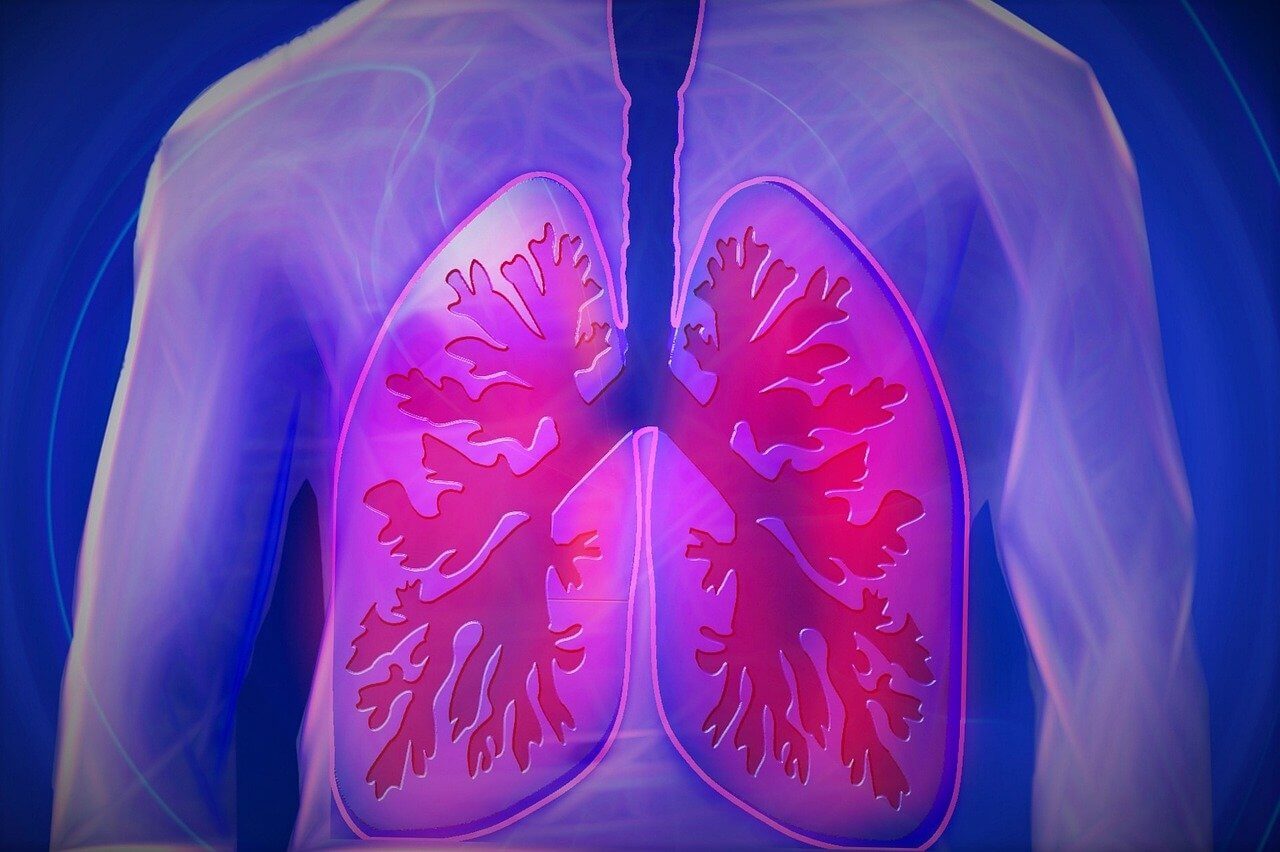
The trial is believed to be the first immune cell therapy used on critically ill patients who needed a special lung support treatment called veno-venous extracorporeal membrane oxygenation (VV-ECMO). The results are promising, with 80% of these patients surviving for up to 90 days, and 60% still alive after 120 days.
“These published findings reinforce the unique power and potential of iNKT cells to mitigate severe acute respiratory distress,” concludes Dr. Marc van Dijk, Chief Scientific Officer at MiNK and co-author of the study. “The data demonstrate agenT-797’s encouraging survival benefit, ability to help clear secondary infections, and tolerable administration in ventilated patients and those on VV-ECMO support.”
The study is published in the journal Nature Communications.
South West News Service writer Imogen Howse contributed to this report.


