(Credit: sulit.photos/Shutterstock)
TOYOAKE, Japan — Imagine a breakthrough that could help millions suffering from schizophrenia — a condition that dampens emotional expression and clouds cognitive function. Japanese researchers may have found an innovative solution using a non-invasive brain stimulation technique that goes beyond traditional medications.
A systematic review led by Professor Taro Kishi from Fujita Health University has revealed promising results for intermittent theta burst stimulation (iTBS), a cutting-edge approach targeting the brain’s left dorsolateral prefrontal cortex. This method could potentially address the most challenging aspects of schizophrenia that current treatments often struggle to treat.
Schizophrenia affects approximately 1% of the global population, causing significant disruptions in how individuals think, perceive, and interact with the world. While existing antipsychotic drugs effectively manage hallucinations and delusions, they frequently fall short in addressing negative symptoms like emotional withdrawal and cognitive impairments.
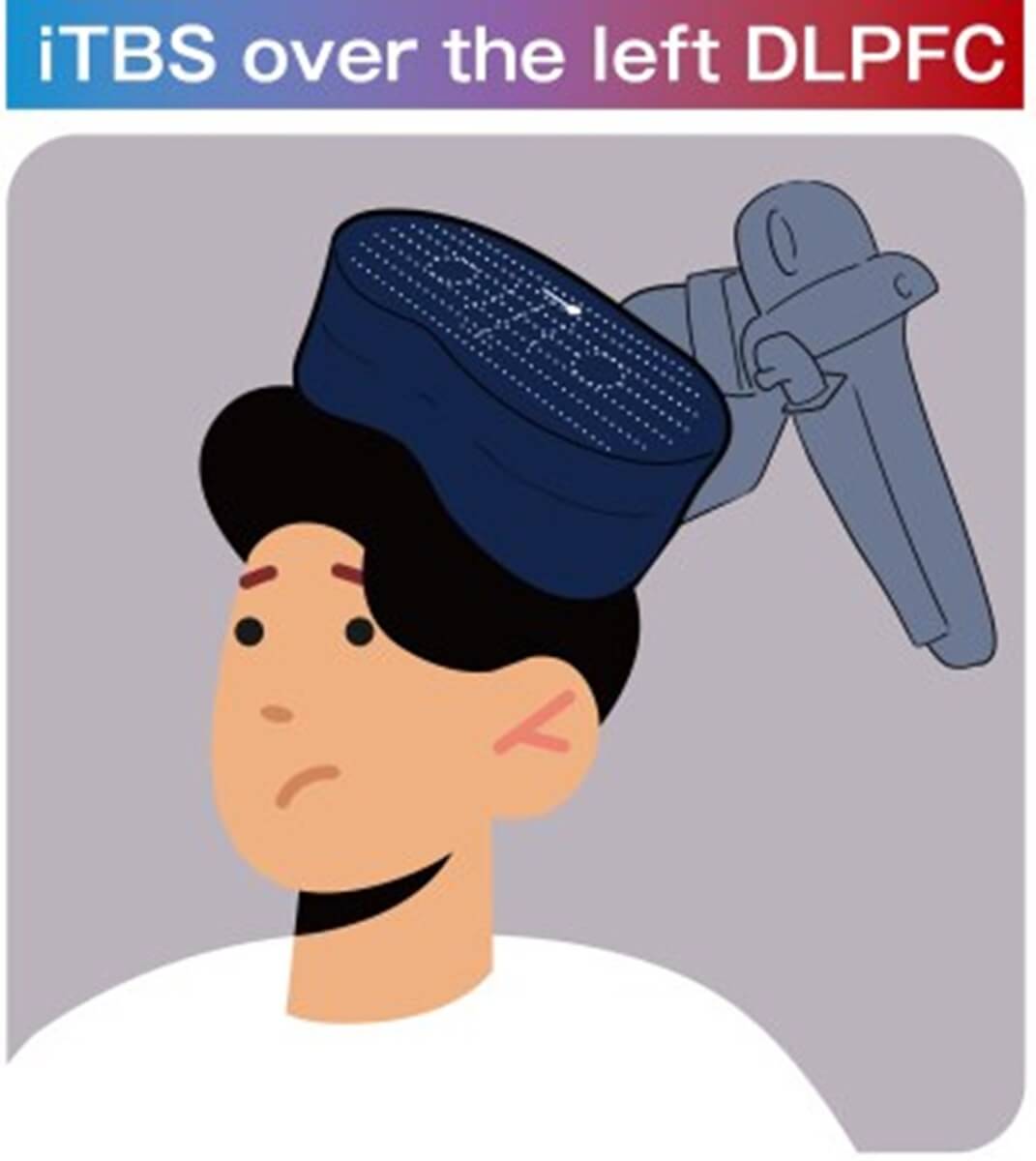
The study published in JAMA Network Open analyzed 30 randomized clinical trials involving 1,424 participants, examining nine different brain stimulation protocols. The researchers discovered that iTBS significantly improved multiple symptom dimensions.
“iTBS over the left DLPFC could improve negative, depressive, anxiety symptoms, and cognitive impairment,” Dr. Kishi explains in a university release.
Notably, the technique showed particular promise in alleviating symptoms that traditional medications struggle to address. The left dorsolateral prefrontal cortex, a key brain region connected to schizophrenia’s underlying mechanisms, became the focal point of this innovative treatment approach.
“The left dorsolateral prefrontal cortex (DLPFC) is connected to parts of the brain, which are associated with the pathophysiology of schizophrenia, and its impairment may play a crucial role in the negative and cognitive symptoms. Therefore, this is a promising target for treating negative and cognitive symptoms in people suffering from schizophrenia,” Prof. Kishi explains.
While exciting, the researchers acknowledge the study’s limitations. Prof. Shinsuke Kito noted the relatively small sample size and potential influence of concurrent psychotropic medications. Future large-scale, long-term studies are planned to provide more comprehensive insights.
This research offers a glimmer of hope for individuals grappling with schizophrenia, suggesting that non-invasive brain stimulation could become a powerful complement to existing treatment strategies.
Paper Summary
Methodology
Researchers systematically reviewed and analyzed 30 randomized clinical trials. They used a comprehensive approach called network meta-analysis, which allows comparison of multiple treatment protocols simultaneously. The studies included adults with schizophrenia spectrum disorders, with participants having an average age of 40.5 years and 44.3% being male.
Key Results
The analysis revealed that intermittent theta burst stimulation over the left dorsolateral prefrontal cortex was the only protocol showing statistically significant improvements. Patients experienced reduced negative symptoms, lower overall symptom scores, decreased depressive and anxiety symptoms, and enhanced cognitive function compared to control groups.
Study Limitations
The study included a relatively small number of participants, and the trials used various antipsychotic medications. Additionally, the long-term effects of the treatment remain unknown, necessitating further research.
Discussion & Takeaways
The study suggests that theta burst stimulation might offer a novel approach to treating schizophrenia, particularly for symptoms that traditional medications struggle to address. The researchers hypothesize that the treatment may work by modulating glutamate signaling and reducing abnormal neurotransmission in brain networks.
Funding & Disclosures
The research was supported by funding from the Japan Society for the Promotion of Science (JSPS KAKENHI). Several researchers reported receiving speaker honoraria and research grants from various pharmaceutical companies, which were transparently disclosed in the study.


