
Protein shakes are popular post-workout boosters. (Photo by vectorfusionart on Shutterstock)
BANGI, Malaysia — Scientists have developed a new health drink that combines an unexpected ingredient – bird’s nest – with cocoa and soy to create what might be the next breakthrough in functional beverages. Before you picture twigs and leaves in your morning smoothie, this isn’t your backyard variety nest.
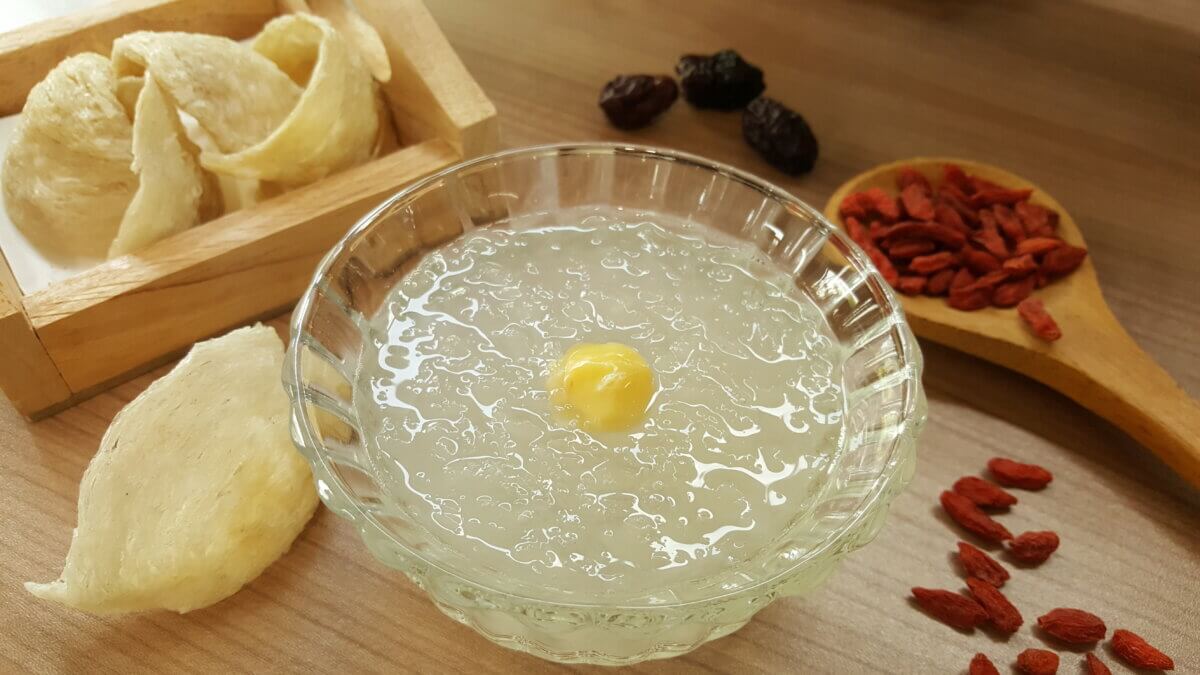
Edible bird’s nests, considered a delicacy in Asian cuisine for centuries, are actually made from the saliva of swiftlets – small birds found throughout Southeast Asia. When these nests are processed into a powder and combined with other carefully selected ingredients, they create a drink that could help manage blood pressure, reduce inflammation, and keep blood sugar levels in check, according to new research published in Food Quality and Safety.
The innovative powder drink mix, developed by researchers at Universiti Kebangsaan Malaysia, combines the processed bird’s nest with soybean powder, cocoa powder, and a few other ingredients to create a beverage that packs multiple health benefits into each sip. Think of it as a specialized protein shake that meets ancient Eastern medicine.
A Modern Twist on Traditional Medicine
For centuries, bird’s nest soup has been consumed in Asian countries for its purported health benefits. Now, scientists have found a way to transform this traditional ingredient into a convenient modern format. The researchers broke down the bird’s nest into smaller components called hydrolysates – think of it as pre-digesting the proteins into smaller, more easily absorbed pieces – and combined it with other nutritious ingredients.
The resulting powder mix is 75% soybean powder, 20% cocoa powder, and 3% edible bird’s nest hydrolysates (EBNH), with small amounts of xanthan gum (a natural thickener), silicon dioxide (an anti-caking agent), and sucralose (a sugar substitute) making up the remainder. When mixed with hot water, it creates a thick, chocolate-flavored beverage that’s both sugar-free and lactose-free.
The Science Behind the Sip
What makes this drink special isn’t just its unique ingredient list – it’s what happens in your body when you drink it. The researchers found that the beverage has several promising health benefits:
- Blood Pressure Management: The drink showed significant ability to inhibit an enzyme called ACE that plays a role in raising blood pressure. This suggests it could potentially help maintain healthy blood pressure levels.
- Anti-inflammatory Properties: Tests showed the drink could help stabilize red blood cell membranes, indicating anti-inflammatory effects. This is particularly important because inflammation is linked to many chronic diseases.
- Blood Sugar Control: When tested in healthy volunteers, the drink resulted in a relatively small increase in blood sugar levels compared to a glucose solution, earning it a low glycemic index rating of 24 (anything under 55 is considered low).
- Satisfaction Factor: The drink kept study participants feeling full for about 2.5 hours – significantly longer than a simple glucose drink – suggesting it could be helpful for weight management.
Putting Bird’s Nest to the Test
The researchers didn’t just mix up the drink and hope for the best. They conducted multiple tests to verify its effects, including both laboratory studies and human trials. In one study, 12 healthy adults consumed either the special drink mix or a glucose solution while researchers monitored their blood sugar levels for two hours afterward. In another study, 30 participants rated their feelings of fullness after drinking either the special mixture or a glucose solution.
The results were impressive: not only did the drink cause a much smaller spike in blood sugar compared to the glucose solution, but it also kept people feeling satisfied for significantly longer. While participants started feeling hungry again just 41 minutes after drinking the glucose solution, they stayed satisfied for about 2.5 hours after consuming the special drink mix.
Each serving of the drink provides about 3.7 calories per gram, making it a moderate-energy beverage. It’s high in protein and fiber, with one 240ml serving providing about 4.9 grams of fiber — that’s nearly 20% of your daily needs. The drink is also rich in antioxidants, thanks to both the cocoa powder and the bird’s nest components.
Looking to the Future
While the research is promising, don’t expect to find bird’s nest protein shakes at your local smoothie shop just yet. The scientists suggest that future studies should look at using natural sweeteners instead of sucralose and possibly reducing the amount of bird’s nest to make the product more cost-effective.
“The incorporation of edible bird’s nest hydrolysates into powdered drink mixes offers a novel way to enhance everyday nutrition with bioactive benefits. This fortified drink mix could serve as an effective dietary option for individuals managing hypertension and diabetes, or anyone looking for sustained energy and satiety,” says lead researcher Dr. Zalifah Mohd Kasim, a senior lecturer at Universiti Kebangsaan Malaysia, in a statement. “Our findings support the increasing interest in functional foods that address hunger while promoting better health outcomes.”
As more people seek out functional foods – those that provide health benefits beyond basic nutrition – this innovative drink mix could represent a new frontier in healthy beverages. It’s a perfect example of how traditional ingredients can be reimagined for modern lifestyles, proving that sometimes the best innovations come from looking to the past while thinking about the future.
Who knows? Maybe someday soon, instead of asking if you want cream or sugar in your morning drink, baristas will be asking if you’d like some bird’s nest with that.
Paper Summary
Methodology
The researchers conducted a comprehensive series of tests to evaluate the drink’s properties and effects. They started with laboratory analyses to measure the basic nutritional content and physical properties of the drink. They then performed specialized tests to examine its effects on blood pressure-related enzymes and inflammation markers.
For human trials, they recruited healthy adults to test both the drink’s effects on blood sugar levels and how satisfying it was. The blood sugar study involved 12 participants who consumed either a drink or a glucose solution while having their blood sugar monitored for two hours. The satiety study included 30 participants who rated their fullness levels over three hours after consuming either the special drink or a glucose solution.
Key Results
The drink showed multiple positive effects in both laboratory and human trials. In lab tests, it demonstrated a significant ability to inhibit ACE (related to blood pressure control) and showed anti-inflammatory properties. In human trials, it achieved a low glycemic index of 24, meaning it caused only modest increases in blood sugar levels. The satiety study showed it kept people feeling full for about 2.5 hours, compared to just 41 minutes for a glucose solution. The drink also proved to be nutritionally dense, providing significant amounts of protein and fiber.
Study Limitations
The human trials involved relatively small groups of healthy adults, so the results might not apply to everyone. The blood sugar study included only 12 participants, with just three being male. The researchers noted that most adult male volunteers were smokers and thus excluded from the study. Additionally, the study didn’t examine long-term effects or impacts on people with specific health conditions like diabetes or hypertension.
Discussion & Takeaways
The research suggests this innovative drink could offer multiple health benefits, particularly for blood pressure management, inflammation control, and blood sugar regulation. The drink’s ability to provide sustained satiety could make it useful for weight management. The study also demonstrates how traditional ingredients like edible bird’s nest can be successfully incorporated into modern functional foods. The researchers recommend future studies to optimize the formula, possibly using natural sweeteners and adjusting the bird’s nest content for cost-effectiveness.
Funding & Disclosures
The research was supported by Universiti Kebangsaan Malaysia through research project grants GUP-2018-059. The university provided financial support, administrative support, article publishing charges, and statistical analysis assistance. The study received ethical approval from the Universiti Kebangsaan Malaysia Medical Centre for the glycemic response and satiety testing components.


