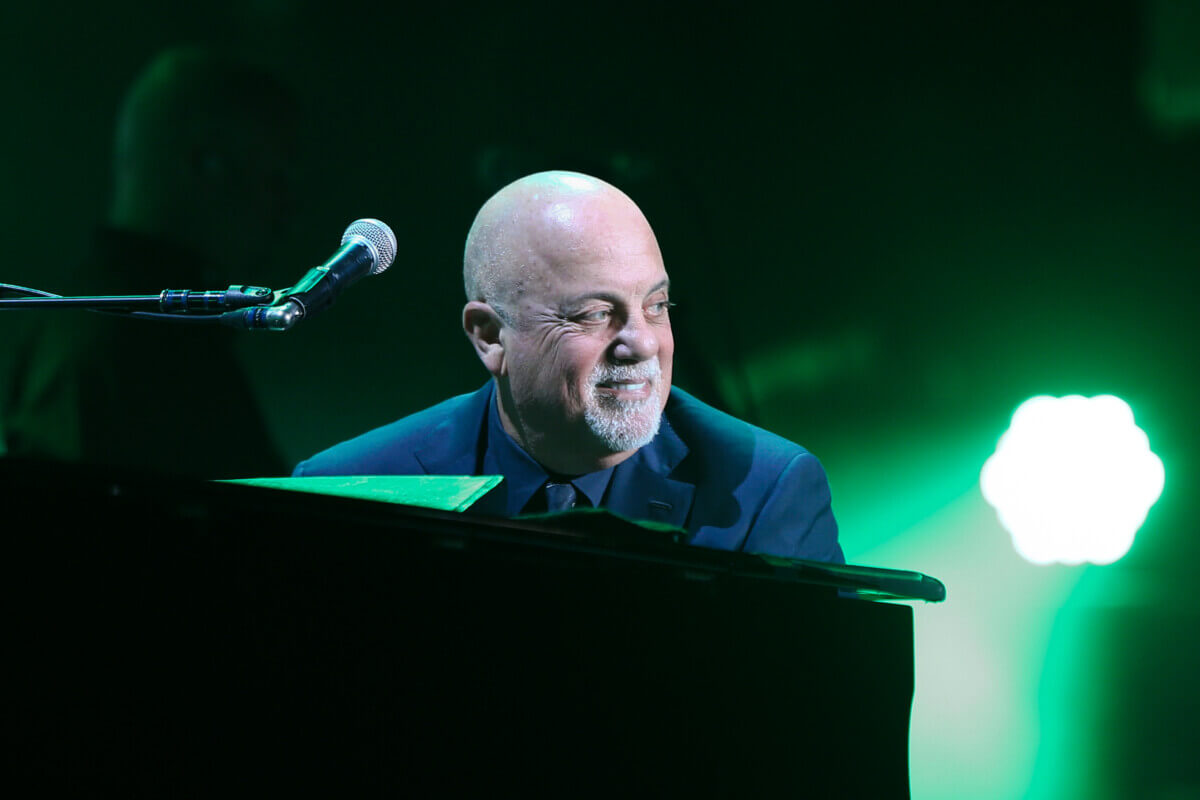
Singer Billy Joel performs in concert at Madison Square Garden on November 21, 2016 in New York City (Photo by Debby Wong on Shutterstock)
NEW YORK — Billy Joel is stepping away from the stage. The 76-year-old music legend announced Friday that he’s canceling all remaining concerts after being diagnosed with Normal Pressure Hydrocephalus, a brain condition that’s been affecting his balance, hearing, and vision.
“This condition has been exacerbated by recent concert performances, leading to problems with hearing, vision, and balance,” Joel’s team said in a statement. “I’m sincerely sorry to disappoint our audience, and thank you for understanding,” Joel added.
It’s been a tough few months for Joel. Back in February, he fell flat on his back after throwing his microphone stand to a crew member during a show at Mohegan Sun Arena in Connecticut. He quickly stood up and finished the performance, but that fall may have been connected to what was to come.
What Exactly Is Normal Pressure Hydrocephalus?
If you’ve never heard of Normal Pressure Hydrocephalus—or NPH, as doctors call it—you’re not alone. It’s a rare condition that most often affects older adults, with an average age over 60.
Your brain has chambers called ventricles that normally contain a clear fluid called cerebrospinal fluid, or CSF. This fluid cushions the brain and spinal cord, supplies them with nutrients, and removes waste products. Normally, your body makes just enough CSF each day and absorbs that same amount.
But with NPH, something goes wrong with this system. The CSF is produced in regular amounts but fails to be absorbed properly, causing it to accumulate. As the fluid builds up, the ventricles enlarge to accommodate the extra volume. This enlargement puts pressure on the surrounding brain tissues, which can cause damage.

Telltale Signs Of NPH
NPH typically shows up through three main symptoms, though not everyone experiences all three: difficulty walking, problems with thinking and memory, and loss of bladder control.
Walking problems are usually the first sign and affect nearly all normal pressure Hydrocephalus patients. The condition causes a distinctive gait that doctors describe as broad-based, slow, and short-stepped. Some patients describe feeling like their feet are “stuck to the floor.” For a performer like Joel who’s used to commanding the stage, these balance issues would make concerts not just difficult, but potentially dangerous.
Mental symptoms can include loss of interest in daily activities, forgetfulness, and difficulty completing routine tasks. These changes often develop so gradually that families initially dismiss them as normal aging, but they’re actually symptoms of a treatable condition.
NPH Facts & Figures
Age Impact: 0.2% of people aged 70-80; 5.9% of people over 80
US Population: ~800,000 Americans living with NPH
Underdiagnosis: 80%+ of cases remain unrecognized or untreated
Average Onset: Around age 70
Treatment Success: 85% of patients respond to shunt surgery
Symptom Improvement:
- Gait: 85% improvement rate
- Bladder control: 80% (early treatment)
- Cognitive function: 80% improvement
Surgical Risks:
- Shunt failure: 3%
- Over/under-drainage: 3-4%
- Infection: <1%
Comorbidity: 30% also have Alzheimer’s or similar conditions
Sources: Hydrocephalus Association, Cleveland Clinic, Johns Hopkins Hospital, Yale Medicine
Why Does It Happen?
In some cases, NPH develops after brain injuries, bleeding, infections, tumors, or complications from surgery. But in most cases, doctors don’t know what causes the fluid buildup. NPH symptoms can look very similar to those of Alzheimer’s and Parkinson’s diseases, which can make diagnosis challenging.
Given Joel’s February fall and the physical demands of touring, it’s possible that the repeated strain of performing may have worsened his condition. However, his medical team hasn’t specified what might have triggered his NPH.

Treatment Options Offer Hope
Here’s some encouraging news: unlike many brain conditions, NPH can often be treated successfully. It’s one of the few causes of dementia-like symptoms that can be controlled or even reversed with proper treatment.
The main treatment involves surgically placing a device called a shunt in the brain’s ventricles. This thin tube creates an alternative pathway to drain the excess fluid, typically into the abdomen where the body can absorb it. Studies show that NPH symptoms improve in 70% to 90% of patients who receive shunt surgery.
Most people who are properly diagnosed and determined to be good candidates for the procedure experience significant improvement, though it may take weeks or months to see the full benefits. The biggest improvements are usually seen in walking ability, followed by cognitive function.
Joel’s statement mentioned he’s currently undergoing physical therapy under his doctor’s supervision, which suggests his medical team is taking a comprehensive approach to his care.
A Career On Pause, Not Over
Joel is canceling 17 stadium shows that were scheduled across North America and England. This includes highly anticipated performances at iconic venues like Yankee Stadium and Citi Field in New York, plus MetLife Stadium in New Jersey.
For an artist who wrapped up a decade-long residency at Madison Square Garden just last year and has been one of the most reliable touring acts in music, this decision couldn’t have been easy. But Joel is prioritizing his health, which is the right call.
There’s reason for optimism. While early diagnosis often leads to better treatment outcomes, even patients with long-standing symptoms may improve with proper care. Joel’s team has said he “looks forward to the day when he can once again take the stage.”
At 76, Joel has sold more than 150 million records, earned five Grammys, and created songs that span generations. Right now, the most important thing is his recovery — and based on what doctors know about NPH treatment, there’s good reason to be hopeful about his return to performing.


