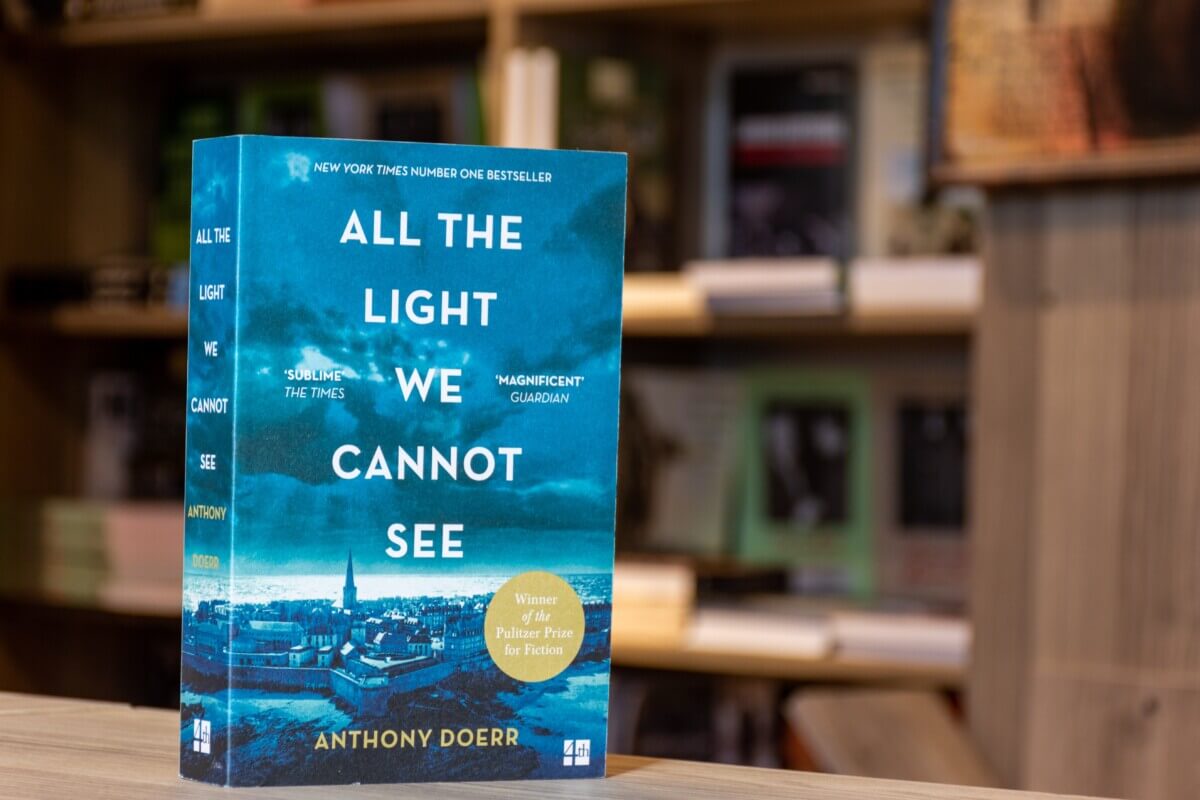
"All the Light We Cannot See" by Anthony Doerr (Photo by hamdi bendali on Shutterstock)
Lost in time but rooted in truth, historical fiction offers readers a mesmerizing portal to the past. From the glittering courts of Tudor, England, to the dusty trails of the American frontier, these masterfully crafted novels blend meticulous research with compelling storytelling to breathe life into history’s most fascinating moments. Whether you’re drawn to tales of wartime resilience, royal intrigue, or ordinary lives caught in extraordinary times, our curated selection of the best historical fiction will transport you across centuries while illuminating the timeless threads of human experience that connect us all. Join us as we explore stories where fact and fiction dance together, creating unforgettable journeys through the annals of time.
StudyFinds is a research-driven platform that analyzes and synthesizes expert recommendations from trusted sources. Rather than writing reviews ourselves, we meticulously compile consensus findings from leading industry experts and established publications to save consumers valuable research time. Each article represents hours of analysis across multiple authoritative sources to identify the most consistently recommended choices.
1. “Wolf Hall” by Hilary Mantel (2009)
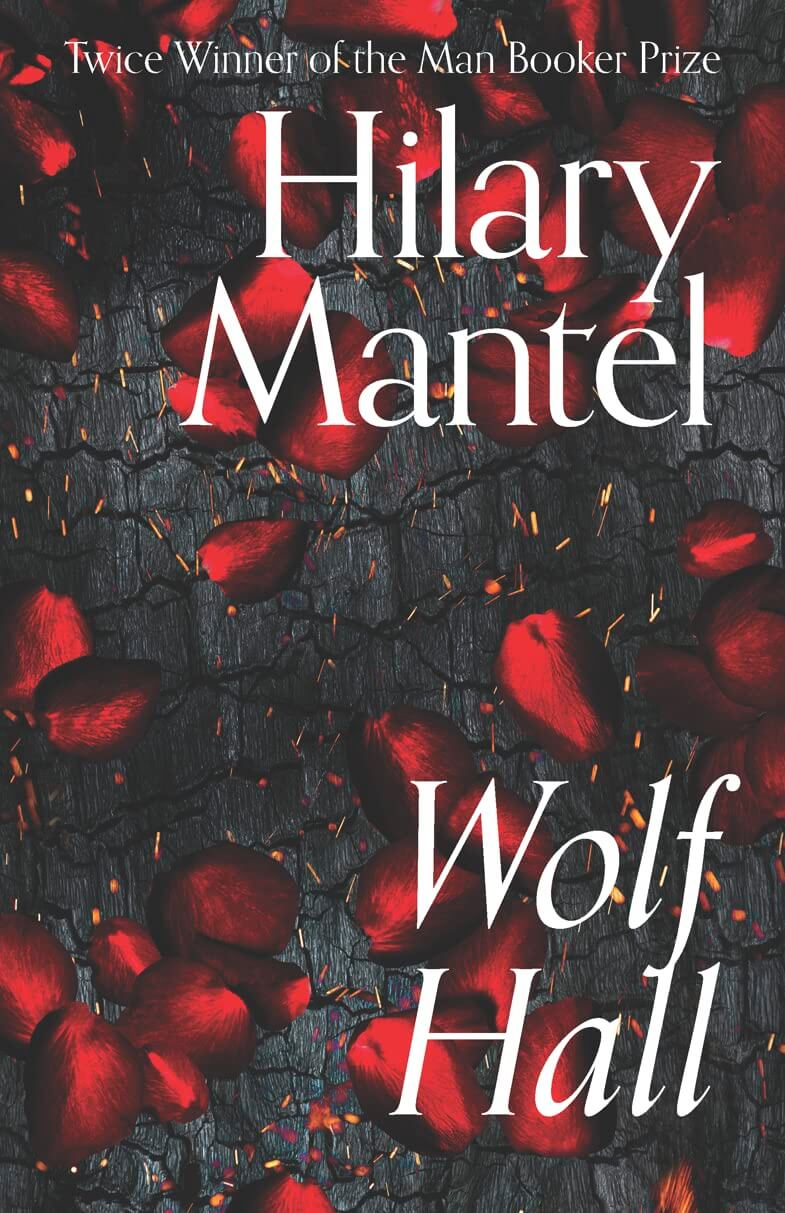
Author Hilary Mantel’s command of the written word and research has resulted in a popular novel that is well-regarded by our sources. “Wolf Hall” transports readers to the heart of 16th-century England, offering a fresh perspective on the tumultuous reign of King Henry VIII through the eyes of his advisor, Thomas Cromwell. The Guardian lauds Mantel’s ability to inhabit Cromwell’s “restless, brilliant, ambitious mind,” allowing readers to witness iconic historical events like the king’s divorce from Catherine of Aragon firsthand.
Books & Bao takes it a step further, praising Mantel’s sympathetic portrayal of Cromwell, a figure often painted negatively in history. This unique perspective, they argue, elevates “Wolf Hall” to one of the most engaging historical novels ever written. Its impact is undeniable, with Reader’s Digest echoing its critical acclaim and highlighting the captivating blend of power, jealousy, religion, and lust that keeps readers turning the pages.
Whether you’re a Tudor enthusiast or simply enjoy a gripping historical fiction tale, “Wolf Hall” promises an immersive and thought-provoking journey through a pivotal period in English history.
2. “The Water Dancer” by Ta-Nehisi Coates (2019)
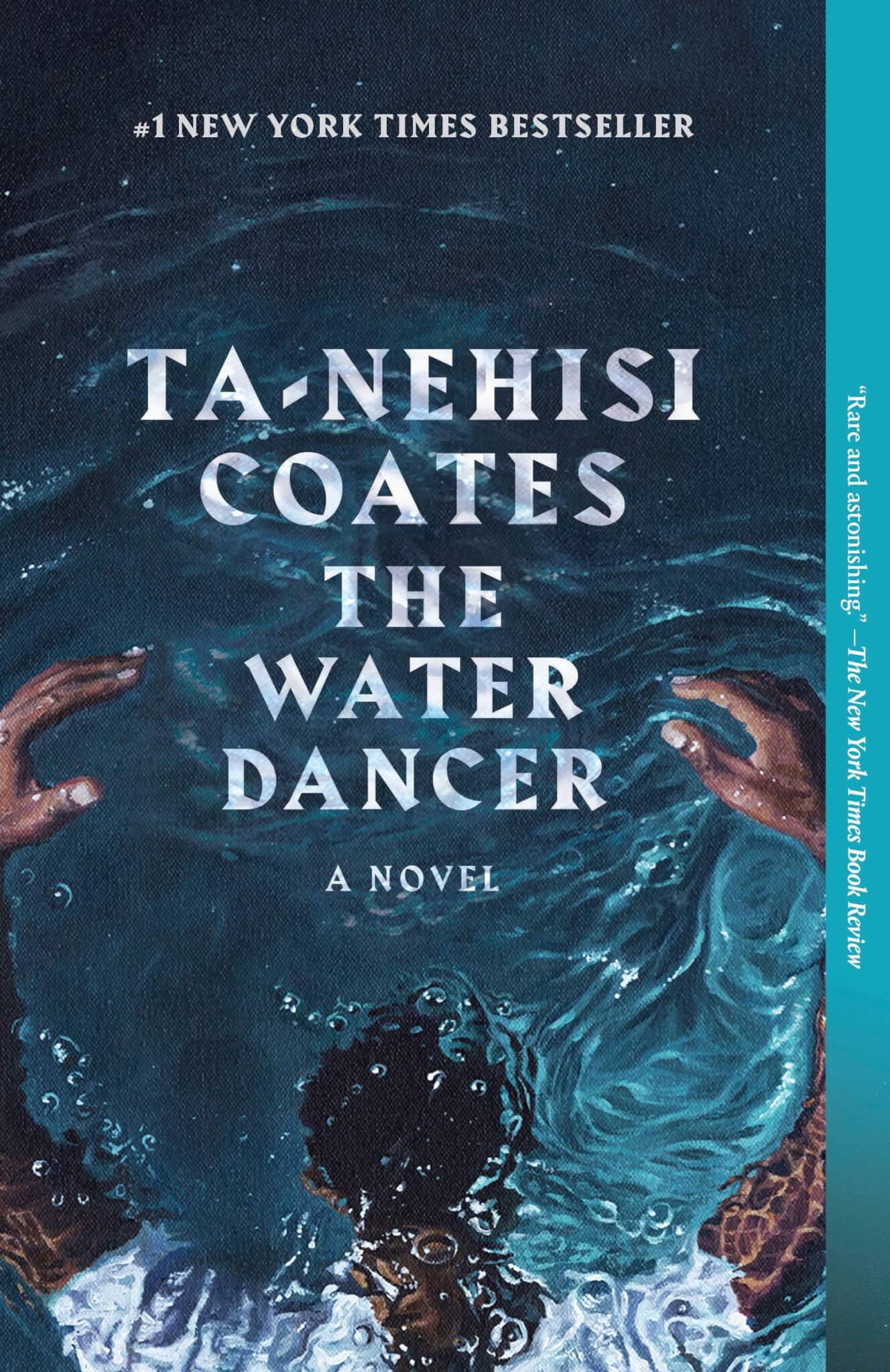
“The Water Dancer” is a story of American slavery in the south. The significant success of this novel has earned contemporary author Ta-Nehisi Coates acclaim in the literary world. Hailed by Oprah Winfrey as “one of the best books I have ever read,” Ta-Nehisi Coates’ “The Water Dancer” promises a powerful and unforgettable story. Pan Macmillan sets the stage, introducing Hiram Walker, a man born into slavery on a Virginia plantation who possesses a mysterious, life-saving power. This unique gift sets him on a daring path towards freedom, leading him away from his family and into the heart of the underground railroad.
Book Riot delves deeper into Hiram’s journey, highlighting his escape from bondage fueled by his newfound power. This National Book Award-winning novel explores not just physical freedom, but also self-discovery and the complex meaning of family.
Born to a white plantation owner and an enslaved Black woman, he navigates a society divided by race and class. Through his journey, he questions the true meaning of family and the bonds that transcend bloodlines (BuzzFeed News). Whether you seek a thrilling escape story, an exploration of hidden abilities, or a thought-provoking examination of family and freedom, “The Water Dancer” has it all!
3. “War and Peace” by Leo Tolstoy (1869)
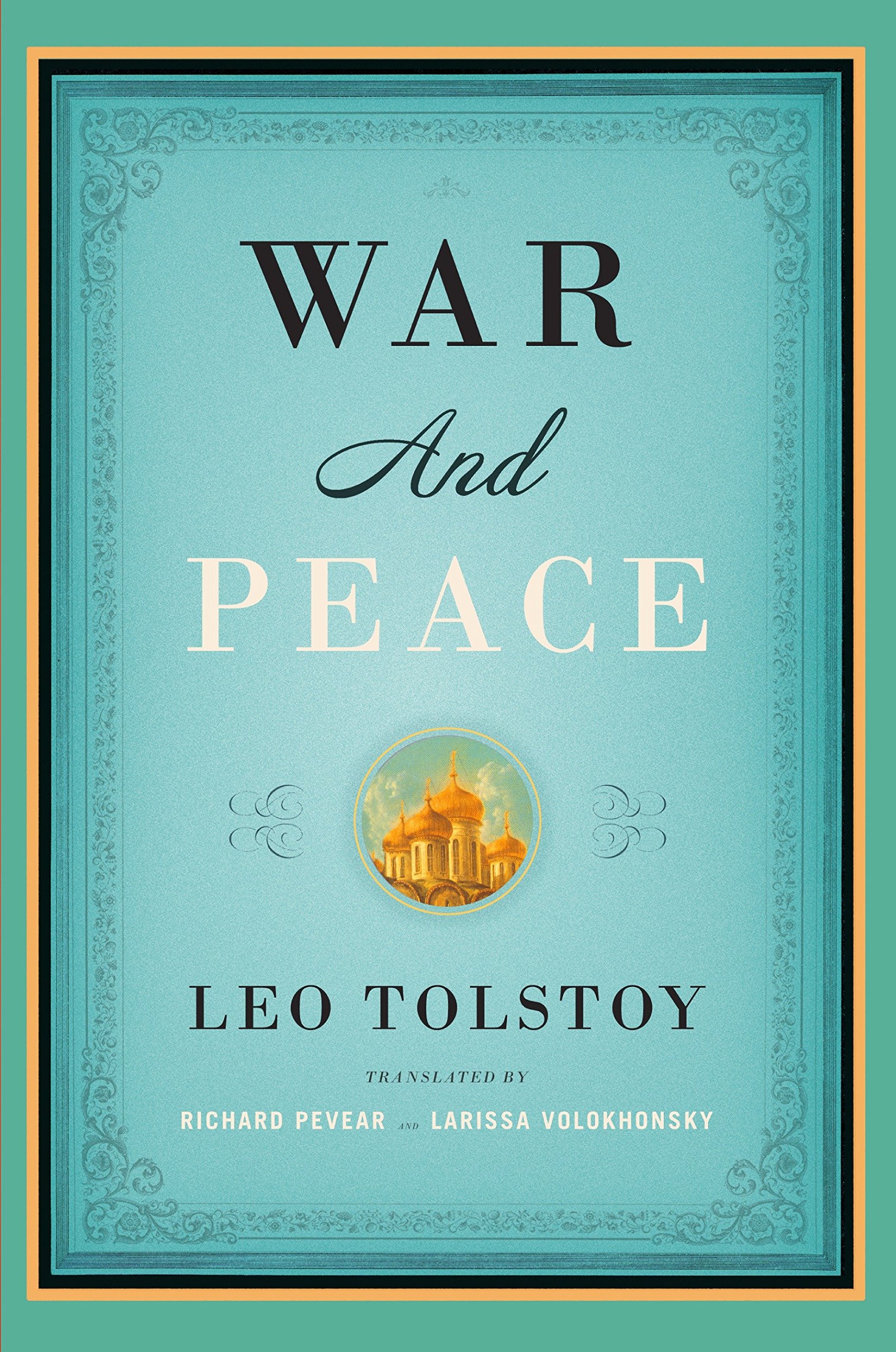
As required in many literature classes, this book is famous for its prose and rich detail. Often hailed as the greatest novel ever written, Leo Tolstoy’s “War and Peace” takes readers on a sweeping journey through the lives of five aristocratic Russian families amidst the turmoil of the Napoleonic Wars. The Guardian emphasizes Tolstoy’s masterful use of literary realism, effortlessly transporting readers from the opulent drawing rooms of Moscow to the chaotic battlefields. His aim, they explain, was to use fiction to illuminate the “truth” of history, offering a nuanced and deeply human perspective on a pivotal moment in time.
Short Form delves into the personal narratives woven into this grand historical tapestry. They highlight the three central characters: Pierre Bezukhov, grappling with inheritance and seeking spiritual fulfillment; Prince Andrei Bolkonsky, driven by duty to fight Napoleon; and Natasha Rostov, a young woman captivating both men. Their individual stories intertwine with the larger historical events, offering an intimate look at the war’s impact on individuals and society at large.
4. “I, Claudius” by Robert Graves (1934)
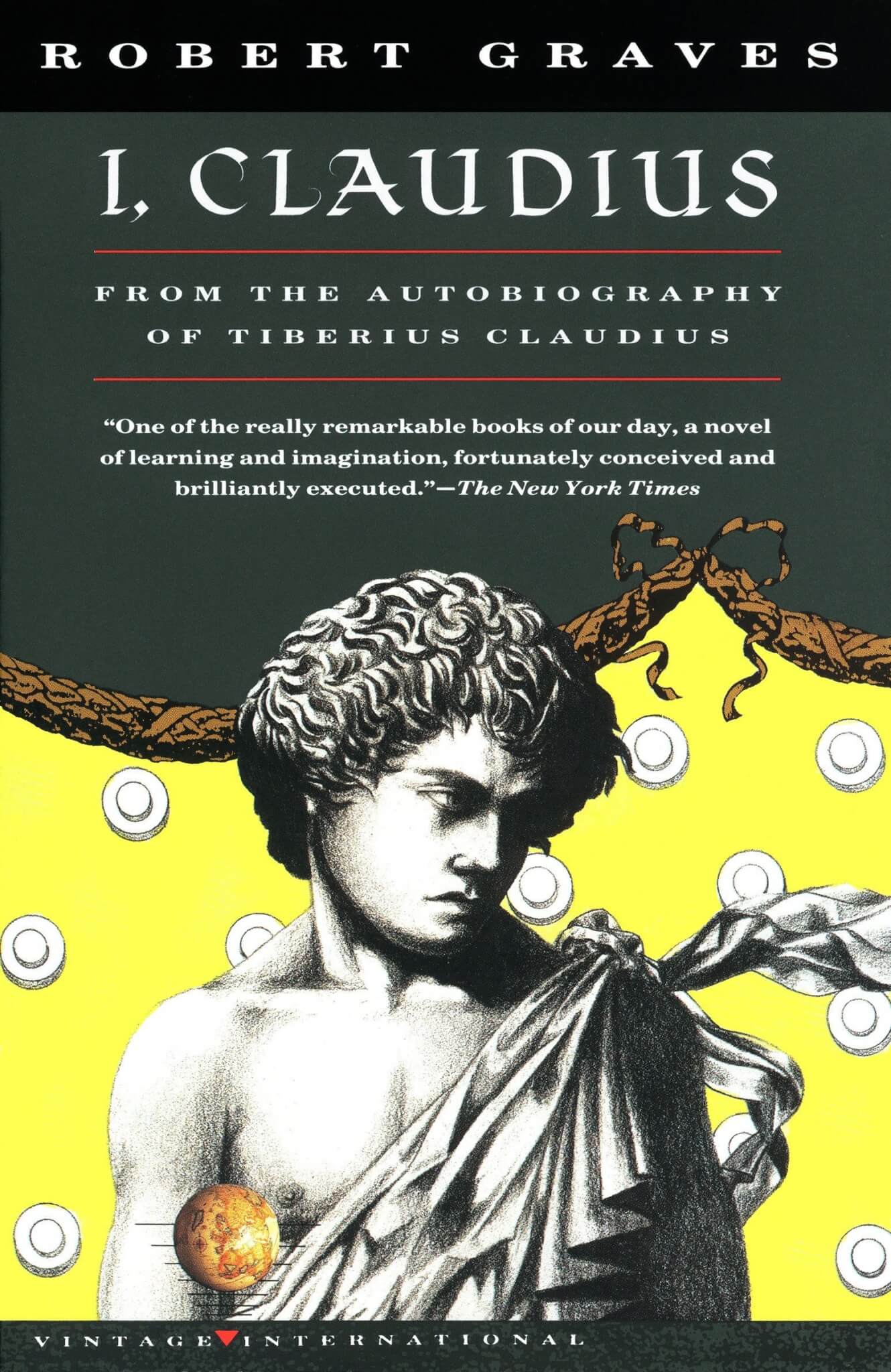
Reader’s travel back to ancient Rome in this novel by Robert Graves. It humanizes individuals from antiquity in a riveting read. Prepare to be transported back in time through the eyes of a most unlikely emperor: Claudius. Discovery paints a vivid picture of this groundbreaking historical fiction novel, which presents a “fictionalized autobiography” of Claudius himself. Through his detailed observations and meticulous style, we gain entry into his mind and witness the political intrigue unfolding within his own family.
List Muse highlights Claudius’ unique perspective, emphasizing how he overcame physical limitations and navigated deadly plots to become emperor in 41 A.D. They label the novel a “masterpiece,” underscoring its enduring impact.
The Guardian explains how the novel serves as a fictionalized account of Claudius’ predecessors – Augustus, Tiberius, and Caligula – before delving into his own reign in a subsequent book. While the author later downplayed its artistic merit, “I, Claudius” remains a beloved classic of the historical fiction genre.
5. “All the Light We Cannot See” by Anthony Doerr (2013)
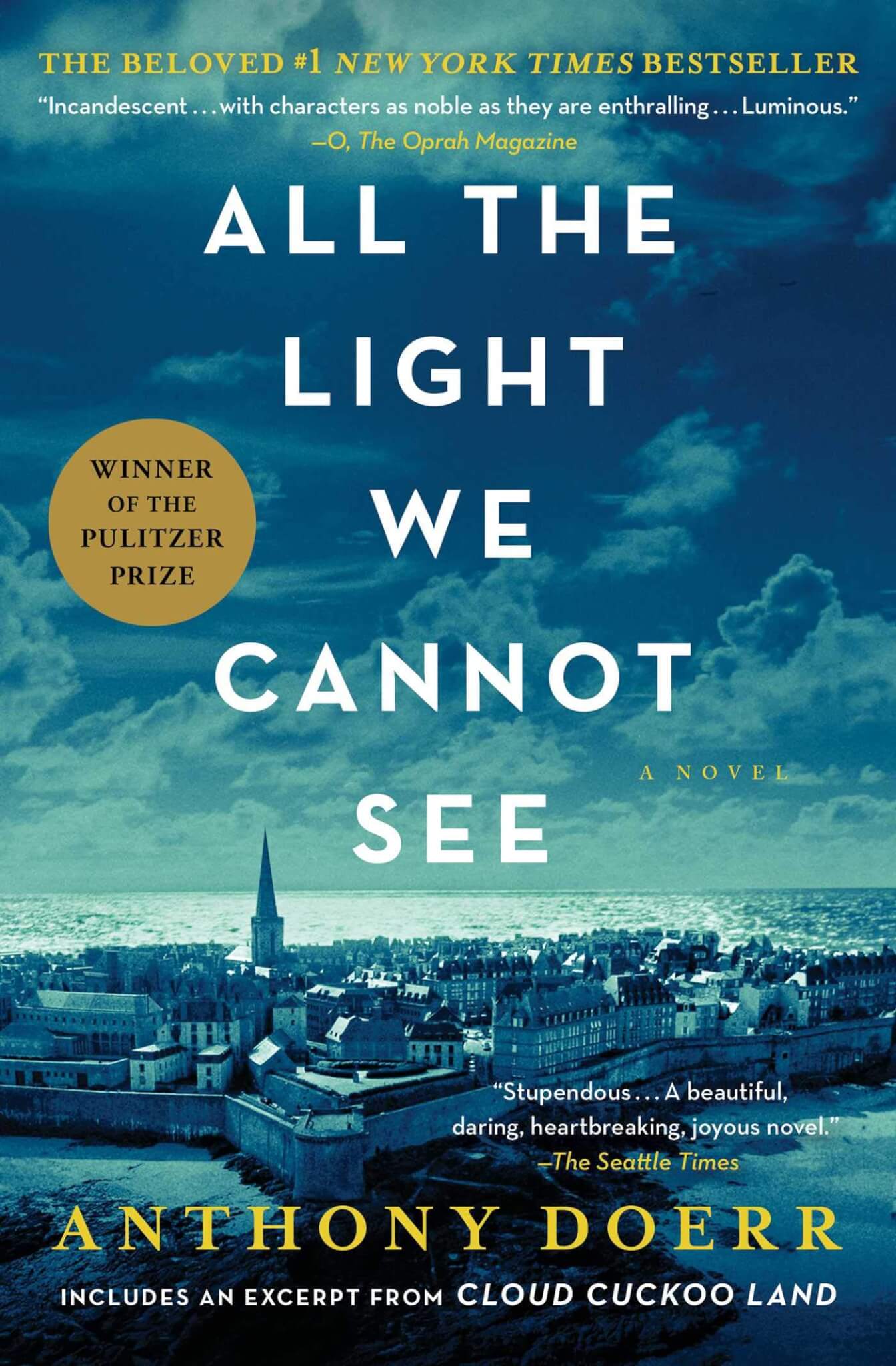
This novel is about the events of World War II Paris, and the plight of a young woman. Dive into a captivating tale of wartime destinies intertwined in Anthony Doerr’s “All the Light We Cannot See,” a historical fiction novel lauded for its emotional depth and thrilling narrative. B&N Reads sets the scene: a young, blind French girl flees Paris with a valuable jewel, while an orphaned boy joins the Hitler Youth. Their paths collide, irrevocably altering the course of their lives and potentially shaping history itself.
Book Riot emphasizes the novel’s widespread acclaim, highlighting its Pulitzer Prize win and recognition as one of the most well-known World War II novels. The story, they explain, revolves around the survival of a blind French girl and a German boy navigating the complexities of occupied France.
Reader’s Digest offers further praise, suggesting that the novel’s enduring popularity stems from its masterful blend of imaginative storytelling and gripping suspense. Spending over two and a half years on the New York Times Bestseller list and garnering numerous awards, “All the Light We Cannot See” promises a powerful and unforgettable reading experience.
StudyFinds Associate Editor Sophia Naughton is a huge fan of this story. She says that everyone should read it. Her favorite quote from the book is about the precious nature of time:
“It’s a glowing puddle you carry in your hands; you should spend all your energy protecting it. Fighting for it. Working so hard not to spill one single drop.”
– Anthony Doerr, “All The Light We Cannot See”
Sources:
Note: This article was not paid for nor sponsored. StudyFinds is not connected to nor partnered with any of the brands mentioned and receives no compensation for its recommendations. This article may contain affiliate links in which we receive a commission if you make a purchase.


I very good book just out is Lady Tan’s Circle of Women by Lisa See. It’s about life in China for an entitled women that becomes a doctor of women. True story facts but fictional story. It takes place over her life starting in 1469. Very good read with fascinating facts on how China was during that time. I recommend highly!
No women authors! No people of color?! Really? Good books but diversity is lacking. Up the game.
Ta-Nehisi Coates: black man. Sigrid Unset and Hilary Mantel: white women. How about The Tale of Gengi??
Diversity is irrelevant.
As is author’s skin colour.
The quality of the literature is the only thing that matters.
You white virtue signalling liberals don’t speak for people of colour.
You need to lower your game its not clever.
I was just thinking the exact thing! I just go for the great READ, don’t care at all the race, gender, age, etc of Author! Geez, why complicate life! 1.Pick a novel, 2.Read! I do prefer Audio books! Listened to them for my last 20 yrs at work! Great narrators bring stories to life! Easier on old eyes, and frees up hands! AND..Keep the race stuff outa this!
The true story that influenced and which Doerr based his novel on is even more compelling: And There Was Light is the memoir of Jacques Lusseyran, a French teenager who lost his sight at an early age, yet was active in the French Resistance in Paris during WW2.
I’d recommend _Cloudsplitter_ by Russell Banks, a fictionalized account of John Brown’s life told by his surviving son. It offers an answer to the perplexing question why Brown didn’t retreat to the mountains after his successful seizure of the federal armory at Harper’s Ferry, and instead awaited the arrival of federal troops with his subsequent capture and execution.
Alan, Very good choice.
I was thrilled to see “All the Light We Cannot See” on this list, as it was far and away one of the very best books I’ve read. A dear friend with whom I shared the book felt likewise.
I was thrilled to see “All the Light We Cannot See” on this list, as it was far and away one of the very best books I’ve read. A dear friend with whom I shared the book felt likewise.
What happened to Ken Follett’s Pillars of the Earth? Best historical novel ever!
Agree 100%!
Edward Rutherford’s The Forest as well as London should be added to the list of any enjoyer of historical fiction
“All the light we cannot see” is one of the worst things you will ever try to read. Cardboard characters, predictable uninteresting plot, too reliant on disordered “clever” techniques by jumping back and forth in time… drags on and on with nothing ever really happening. It’s a shame to see this terrible book up here with the others, which are truly great.
I was listening to All the Light We Cannot See on Audible, and I was so captivated that I missed a stop sign and t-boned another car. Now that’s a dang good book! Though, I seriously advise not listening to this book while operating heavy machinery.
Kristin lavransdatter by sigrid unset won the nobel prize, the best novel i have ever read, the characterization is unbelievable
The Source by James Michener
All the light we can not see is a great read! I have recommended to many and everyone has agreed.
‘Bring Up The Bodies’ and ‘The Mirror And The Light,’ the other two novels that complete the trilogy that begins with Hilary Mantel’s ‘Wolf Hall’ should be included here. A stupendous achievement that bears comparison with Shakespeare. Depiction of court life,mastery of narrative and especially dialogue,understanding of human nature etc.etc.and a superb style of writing,exhibiting control and eloquence she had it all.Sorely missed in a firmament with not too many brilliant stars.
The Weight of Ink by Rachel Kadesh takes you back to 1660 London and 20th century London. It is most enlightening of the lives of Jewish immigrants to London and an investigation into documents found ins an old house in Richmond
Loved All the Light! Also From Sea to Shining Sea re Louis & Clark Expedition & how Sacajawea gave them so much help!
This a fascinating and well-written review of an important literary genre. Alan E. Diehl, Ph.D.
Romantic Outlaws – Charlotte Gordon
The lives of the two Mary Shelley’s (Mom and Daughter). Excellent read!
The Romantic Outlaws – Charlotte Gordon !!! Excellent read on the lives of the Mary Shelley’s (Mom and Daufhter)
The 7 Lymond Chronicles by Dorothy Dunnet. It’s about a 15 century Scottish Nobleman.
May sound uneducated, but I continue to enjoy James Michener’s works, no matter what area or era he is focusing
I read my first Michener just four years ago, The Source. It was very entertaining and very enlightening. Yes, he was highly commercial success in the 50s, 60s, even 70s, but he did his research and was a highly readable author. He’s no longer the popular novelist he was, but he’s very much worth reading still, on my view.
All the Light We Cannot See ….incredible read!