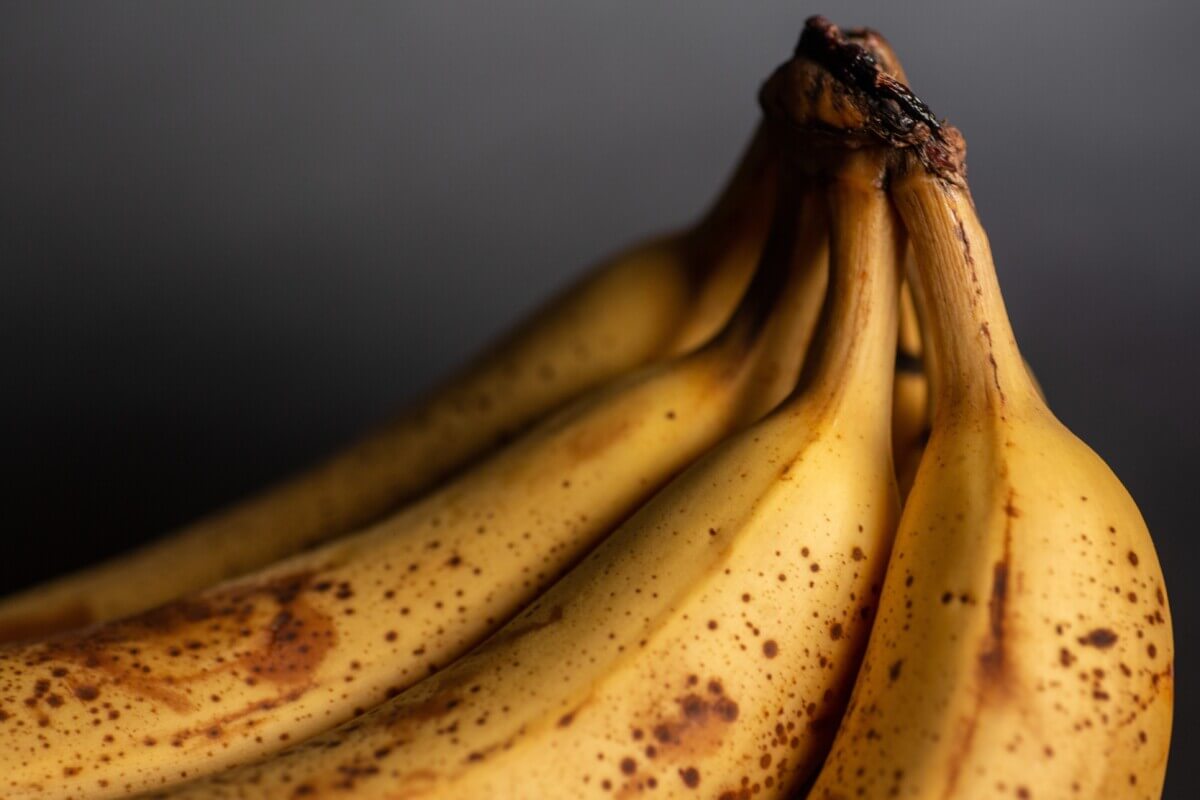
Photo by Giorgio Trovato on Unsplash
AMHERST, Mass. — The race is on to save bananas from extinction. The popular fruit is fighting a losing battle against a fungus called Fusarium oxysporum f.sp. cubense (Foc) tropical race 4 (TR4), which causes a deadly disease among banana crops.
Most concerning are the recent fungal outbreaks among Cavendish bananas. These are the world’s most popular bananas — you likely have them sitting on your kitchen table. However, the Foc TR4 fungus is threatening their survival. Once it invades a banana field, it is virtually impossible to destroy.
Fortunately, there’s good news. Research recently published in the journal Nature Microbiology found this fungus differs from the deadly fungal strain that wiped out almost all banana crops in the 1950s. In fact, the Foc TR4 fungus consists of “accessory genes” involved in making nitric oxide.
“The kind of banana we eat today is not the same as the one your grandparents ate. Those old ones, the Gros Michel bananas, are functionally extinct, victims of the first Fusarium outbreak in the 1950s,” says Li-Jun Ma, professor of biochemistry and molecular biology at UMass Amherst and the senior study author, in a media release.
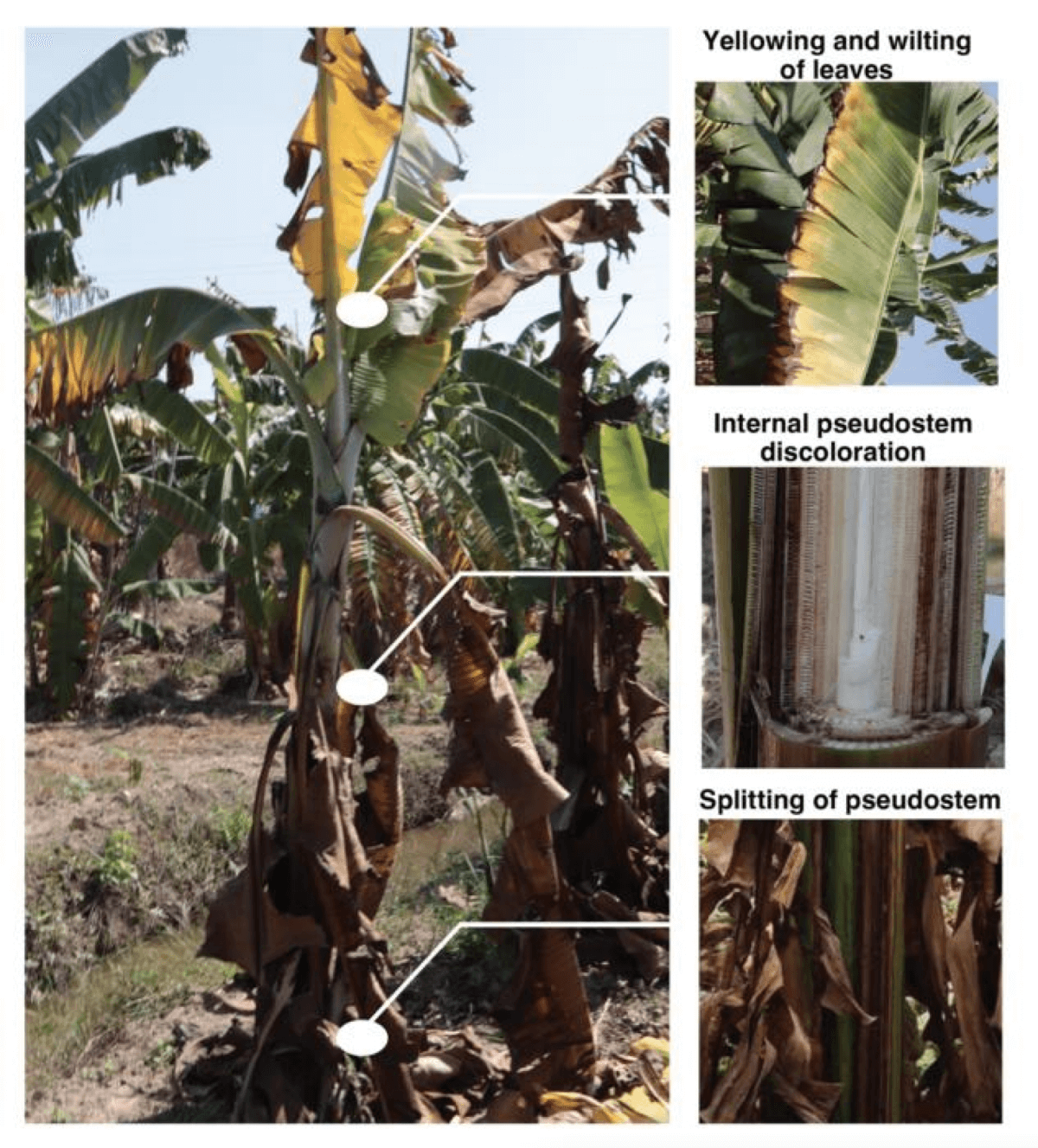
The new research is bringing scientists closer to figuring out an effective counterstrategy against the spread of Foc TR4.
After the extinction of Gros Michel bananas in the 1950s, Cavendish bananas were bred to resist diseases from the fungal strain. The strategy worked for 40 years, with Cavendish bananas taking the top spot as the leading banana crop in the world. However, its reign is slowly ending. A previous outbreak in the 1990s caused many bananas to wilt in plantations across Southeast Asia, Africa, and Central America.
Ma and her team have spent the last decade studying the outbreak, including the varieties of fungus that make up Fusarium oxysporum. The different varieties of this type of fungus are based on the strain-specific accessory genes added to a shared core genome.
In the current study, the authors found the fungus currently ravaging Cavendish bananas did not evolve from the same fungus that destroyed Gros Michel bananas. Their accessory genes are those linked to the production of nitric oxide, a key element in the pathogen’s ability to cause disease.
Paper Summary
Methodology
Researchers worldwide genetically sequenced and analyzed 36 different Foc strains, including the fungal strain responsible for wiping out Gros Michel bananas. They were compared to Foc TR4, the fungus responsible for the wilting of Cavendish bananas.
Key Results
The team identified several accessory Foc TR4 accessory genes needed for the fungus to invade a host plant. These genes are involved in the production and detoxification of fungal nitric oxide. Eliminating these two accessory genes greatly reduced the fungus’ ability to infect bananas.
Discussion & Takeaways
Cavendish bananas are not entirely saved, but identifying the accessory genes in Foc TR4 is a key step in devising a plan to control the fungal outbreak. However, another step is one that consumers can take during their next grocery store visit.
Ma recommends buying various banana species as monocropping — growing the same crop every year on the same land — reduces diversity. With less diversity, all it takes is one deadly pathogen to wipe out the majority of fruit.
Funding & Disclosures
Study funding came from the U.S. National Science Foundation, the U.S. Department of Agriculture’s National Institute of Food and Agriculture, the U.S. Department of Health & Human Services, the U.S. Department of Energy, the National Institutes of Health, the Guangdong Science and Technology Project, CARS and the Laboratory of Lingnan Modern Agriculture Project.


