
(© Chris Tefme - stock.adobe.com)
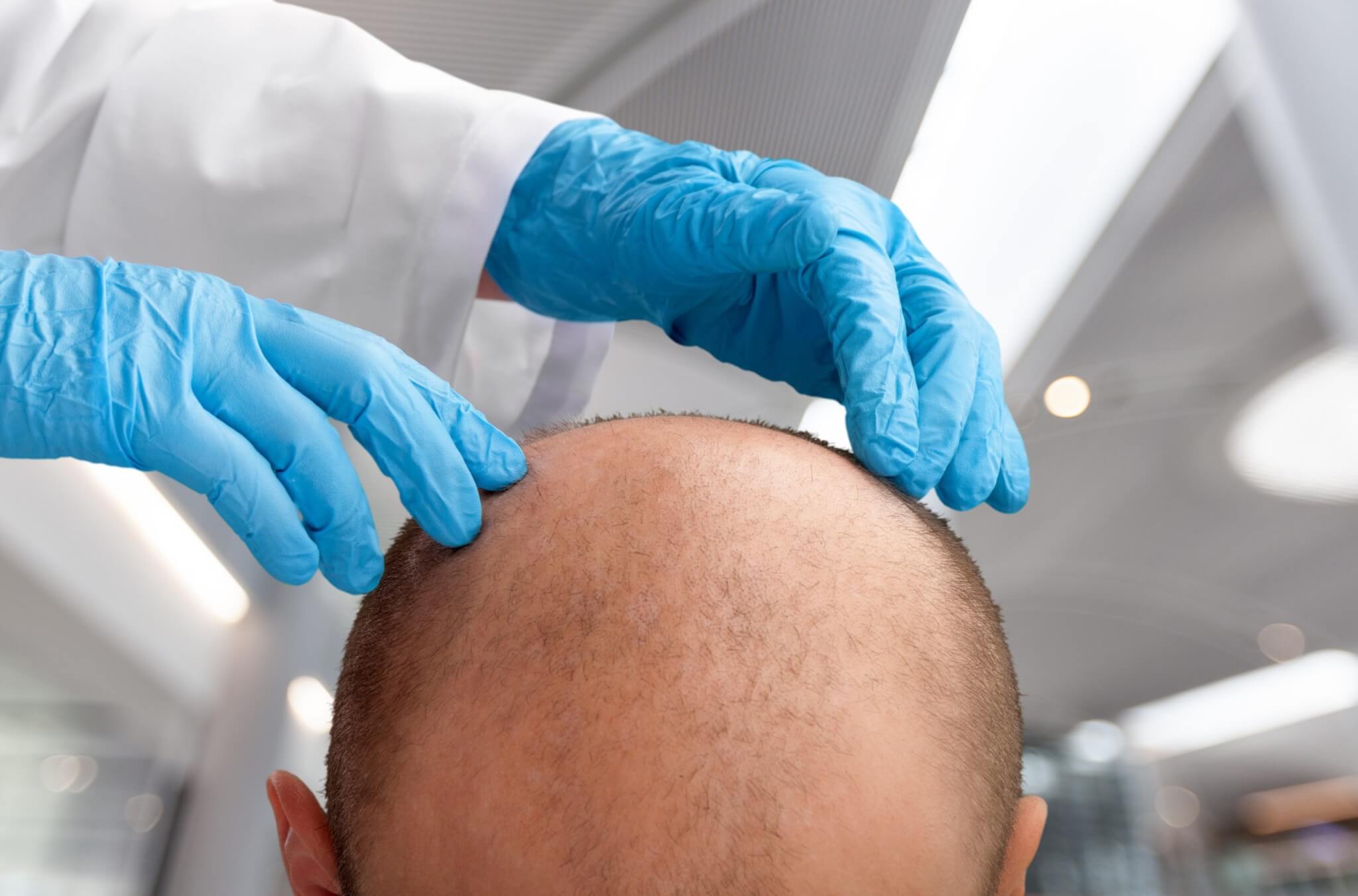
CHAMPAIGN, Ill. — Have you ever thought a medication for hair loss might secretly be guarding your heart? It sounds like a plot twist in a medical drama, but researchers from the University of Illinois Urbana-Champaign suggest this could be reality. The drug in the spotlight is finasteride, commonly known as Propecia or Proscar, which millions of men use for male pattern baldness and enlarged prostate. However, the new study reveals a potential bonus: finasteride may also lower cholesterol and reduce the risk of cardiovascular disease.
The problem the researchers aimed to solve was intriguing: could finasteride, a drug typically for hair growth and prostate health, have unexpected benefits? This question is particularly relevant given the widespread use of finasteride across the globe.
Analyzing data from the National Health and Nutrition Examination Survey, the researchers found that men taking finasteride had cholesterol levels that were, on average, 30 points lower than those not on the drug.
“I thought we’d see the opposite pattern, so it was very interesting,” notes lead study author Jaume Amengual in a university release.
To delve deeper into these findings, the research team turned to mice, administering high doses of finasteride and observing its effects on cholesterol levels and atherosclerosis, the buildup of plaque in arteries that can lead to heart attacks and strokes. The results were consistent with the human data: mice receiving the highest dose of finasteride showed significant reductions in cholesterol levels and slowed the progression of atherosclerosis.
Specific numbers from the study underscore its significance. In humans, the observed average reduction in cholesterol levels among finasteride users was 30 points. In mice, the positive effects on cholesterol and liver inflammation were noted at the highest finasteride dose, a level far above what is prescribed to humans but nonetheless indicative of the drug’s potential impact on cholesterol metabolism.
While the study’s novel findings and dual approach using both human and animal data are strong points, it’s not without its limitations. The small number of human participants reporting finasteride use and the lack of control over drug dosage and duration in the survey portion suggest caution in interpreting the results. Moreover, the high doses effective in mice are not directly applicable to humans due to differences in metabolism.
What does a pharmacist think?
For healthcare providers, the study points to the importance of monitoring cholesterol in patients taking finasteride. More broadly, it opens the door for clinical trials to confirm finasteride’s cholesterol-lowering effects in humans. This research also highlights the potential for finasteride to benefit not just men with hair loss or prostate issues but also transgender individuals at higher risk for cardiovascular diseases.
This study is a call to look beyond the surface, both literally in the case of hair loss treatment and metaphorically in considering the broader impacts of medications. As we continue to uncover the hidden benefits of common drugs, we edge closer to a future where treatments are not just targeted but holistic, addressing a range of health issues with a single pill.
For now, finasteride stands as a promising candidate for further exploration in the fight against cardiovascular disease, reminding us of the complex interplay between medication, health, and the mysteries of the human body.


