
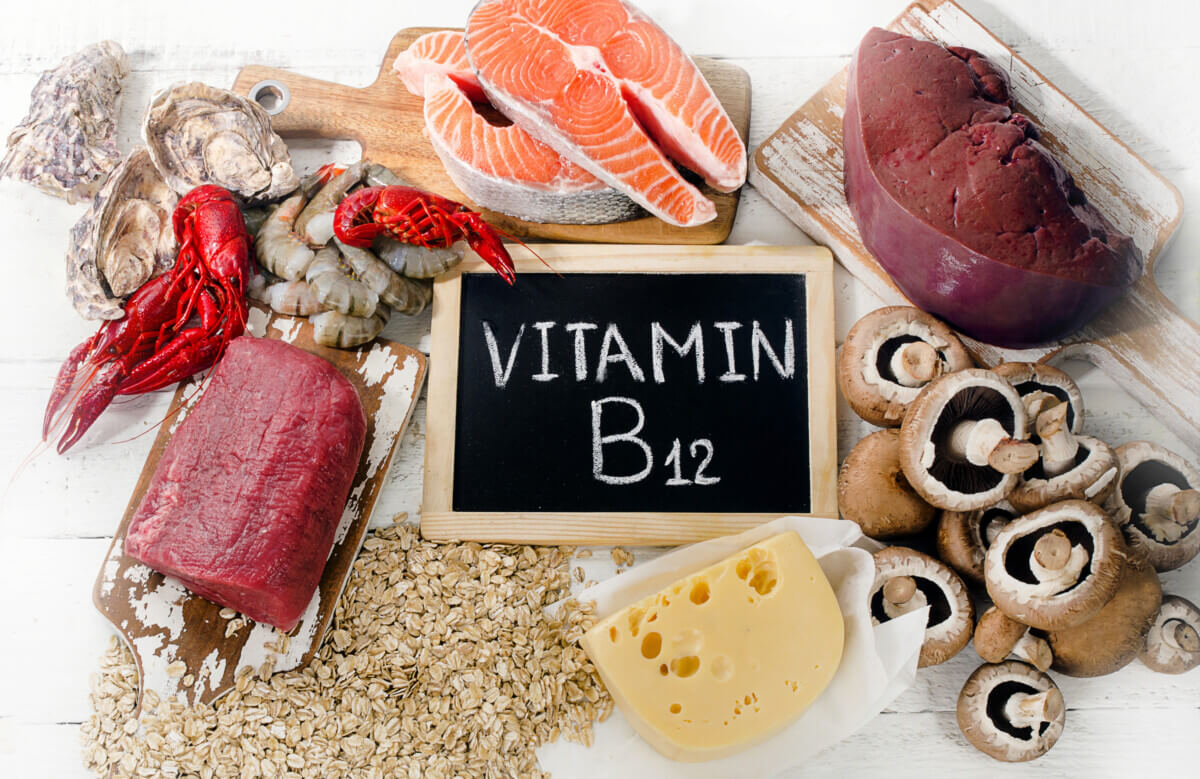
(© natali_mis - stock.adobe.com)
CHENGDU, China — From the lab to the dinner table, a new study is serving up hope for those at risk of acute pancreatitis. The secret ingredient? Vitamin B12, a nutrient that might do more than just keep our blood and nerves healthy.
Acute pancreatitis, a sudden inflammation of the pancreas, is a painful and potentially life-threatening condition that affects thousands of people each year. It can lead to severe complications and often requires hospitalization. Until now, treatment options have been limited, focusing mainly on supportive care rather than addressing the root cause of the inflammation.
Enter vitamin B12, a nutrient found in foods like fish, meat, eggs, and dairy products. The study, led by researchers from Sichuan University in China, suggests that having higher levels of vitamin B12 in your blood might reduce your risk of developing acute pancreatitis. But how did they come to this conclusion?
The research team used a clever approach called Mendelian randomization. This method leverages genetic information to infer causal relationships between factors like vitamin levels and diseases. By analyzing data from large population studies, including the UK Biobank and the FinnGen consortium, the researchers found that people with genetic variants associated with higher vitamin B12 levels had a lower risk of acute pancreatitis.
The scientists didn’t stop there. To further investigate the potential protective effects of vitamin B12, they turned to mouse models. They created mice lacking a specific gene (CD320) that’s crucial for cellular vitamin B12 uptake. When these vitamin B12-deficient mice were given substances that typically induce pancreatitis, they developed much more severe inflammation compared to normal mice.
The plot thickened when the researchers treated normal mice with vitamin B12 before or after inducing pancreatitis. Remarkably, the vitamin B12 treatment significantly reduced pancreatic damage and inflammation. It was as if vitamin B12 had thrown a protective blanket over the pancreas, shielding it from harm.
So, how does vitamin B12 work its magic on the pancreas? The study suggests that it all comes down to energy. Vitamin B12 plays a crucial role in cellular energy production, helping to generate a molecule called ATP – the energy currency of cells. The researchers found that pancreatic tissues from mice treated with vitamin B12 had higher levels of ATP. This extra energy might help pancreatic cells withstand stress and avoid the kind of damage that leads to acute pancreatitis.
If further studies confirm these findings in humans, vitamin B12 supplementation could become a simple and cost-effective way to prevent or treat acute pancreatitis. This would be particularly valuable for people at high risk of the condition, such as those with gallstones or heavy alcohol use.
However, before you rush to the pharmacy to stock up on vitamin B12 supplements, it’s important to note that more research is needed. The study, while promising, was primarily conducted in mice, and human trials are necessary to confirm the effects in people. Additionally, the optimal dose and timing of vitamin B12 supplementation for pancreatitis prevention or treatment still need to be determined.
Nevertheless, this study opens up an exciting new avenue for pancreatitis research and treatment.
“These exciting new findings add to the growing evidence that vitamin B12 can reduce the severity of acute pancreatitis by increasing ATP levels in pancreatic tissue, offering novel insights into potential therapeutic strategies for this disease,” says senior author Prof. Dr. Xianming Mo from the West China Center of Excellence for Pancreatitis in a statement. “This study lays a robust foundation for future clinical applications of vitamin B12 in managing acute pancreatitis.”
Paper Summary
Methodology
The researchers used a two-pronged approach in this study. First, they employed Mendelian randomization, a statistical technique that uses genetic variations as a natural experiment to investigate causal relationships. They analyzed genetic data from large population studies to see if genes associated with higher vitamin B12 levels were also associated with a lower risk of acute pancreatitis.
Second, they conducted experiments on mice. They created genetically modified mice lacking the CD320 gene, which is important for vitamin B12 uptake, and compared their susceptibility to pancreatitis with normal mice. They also treated mice with vitamin B12 before or after inducing pancreatitis to see if it had protective effects.
Key Results
The Mendelian randomization analysis showed that genetic variants associated with higher vitamin B12 levels were linked to a lower risk of acute pancreatitis in humans. In the mouse experiments, mice lacking the CD320 gene (and thus deficient in vitamin B12) developed more severe pancreatitis when exposed to pancreatitis-inducing substances. Treating normal mice with vitamin B12 before or after inducing pancreatitis significantly reduced pancreatic damage and inflammation. The researchers also found that vitamin B12 treatment increased ATP levels in pancreatic tissues.
Study Limitations
The main limitation of this study is that while it provides strong evidence in mice, its findings in humans are based on genetic associations rather than direct interventional studies. The Mendelian randomization approach, while powerful, relies on certain assumptions that may not always hold true. Additionally, the mouse models, while useful, may not perfectly replicate human pancreatitis. Human clinical trials are needed to confirm these findings and determine optimal dosing strategies.
Discussion & Takeaways
This study suggests that vitamin B12 could play a protective role against acute pancreatitis, potentially by boosting cellular energy levels in pancreatic tissues. If confirmed in human studies, this could lead to new preventive and therapeutic strategies for acute pancreatitis. The findings also highlight the importance of maintaining adequate vitamin B12 levels, especially for individuals at high risk of pancreatitis. However, the researchers caution that more research is needed before clinical recommendations can be made.
Funding & Disclosures
The study was supported by various grants from Chinese institutions, including the National Nature Science Foundation of China, the Natural Science Foundation of Sichuan Province, and the Post-Doctor Research Project of Sichuan University. The authors declared no conflicts of interest.


