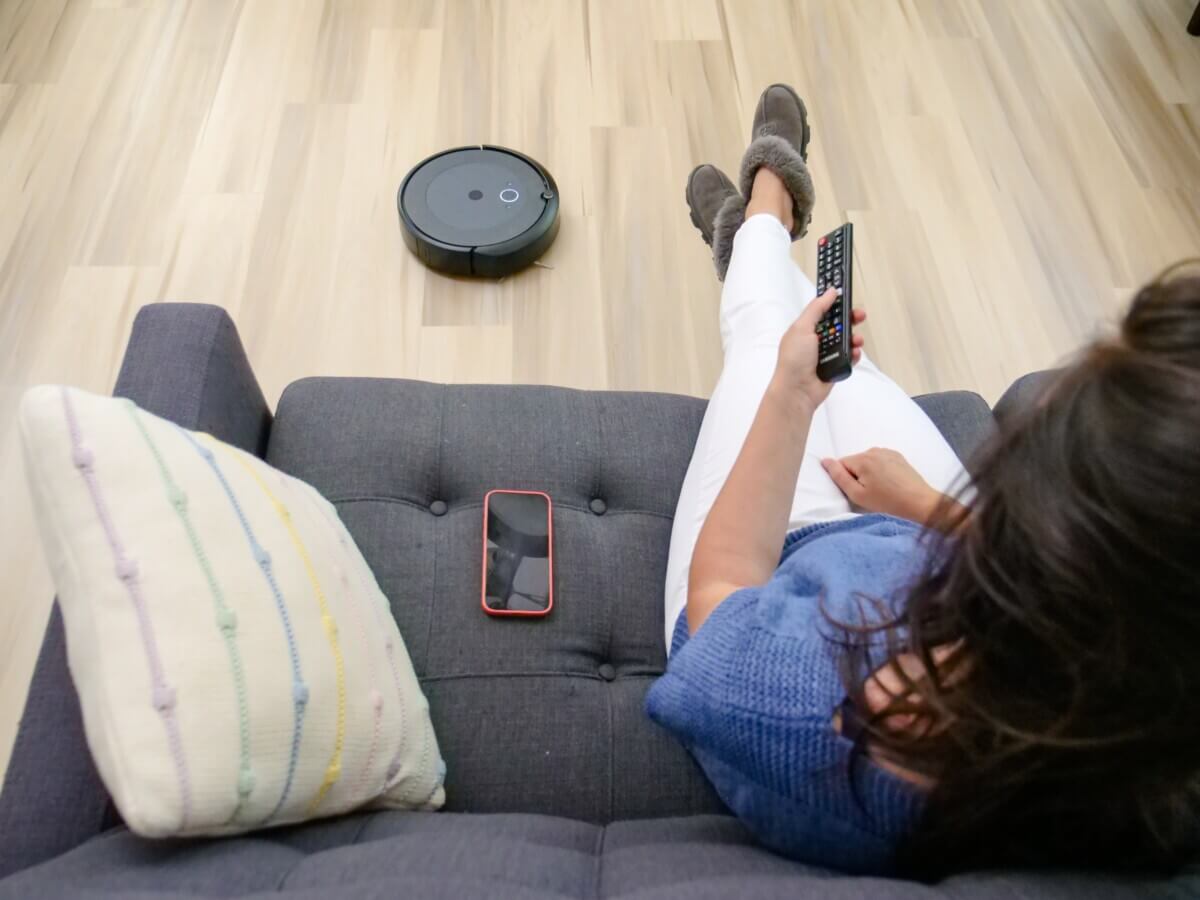
(Photo by Kindel Media on pexels)
NEW YORK — Do everyday chores add meaning and value to our lives, even if the tasks themselves don’t bring us joy? A recent study conducted by a team from the University of St. Gallen and Columbia Business School sheds light on how the meaning of manual labor influences the willingness of consumers to embrace autonomous products — meaning robots that do all the work for you.
The research explores the reasons behind consumer hesitation in purchasing products like robot vacuums and cooking machines. The study emphasizes the value of manual tasks in providing meaning and satisfaction in life, suggesting that the removal of such tasks through the use of autonomous products may have unintended consequences.
The concept of the perceived meaning of manual labor (MML) is introduced in the study as a key factor in predicting the adoption of autonomous products.
“Consumers with a high MML tend to resist the delegation of manual tasks to autonomous products, irrespective of whether these tasks are central to one’s identity or not. Marketers can start by segmenting consumers into high and low MML consumers,” says study co-author Nicola Poletti, in a media release.
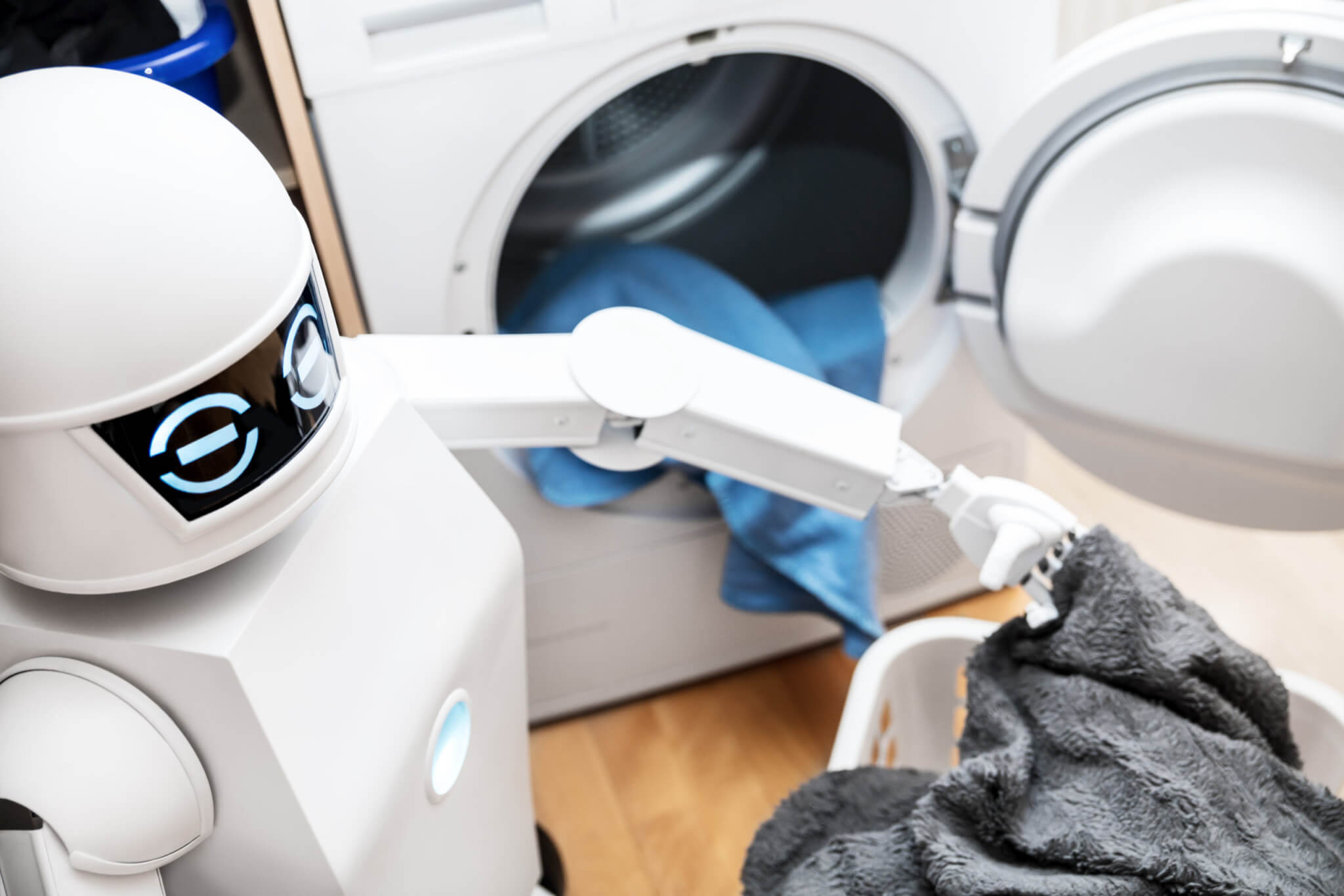
Researchers say promotional efforts should emphasize the meaningful time that consumers gain through the use of autonomous products. By communicating how these products allow individuals to engage in more personally fulfilling tasks and pursuits, marketers can counteract the detrimental effects of the meaning of manual labor on autonomous product adoption.
For example, iRobot claims that its robotic vacuum cleaner Roomba saves owners as much as 110 hours of cleaning a year. German home appliance company Vorwerk promotes its cooking machine Thermomix with “more family time” and “Thermomix does the work so you can make time for what matters most.” Instead of promoting the quality of task completion (i.e., cooking a delicious meal), the company emphasizes that consumers can spend time on other, arguably more meaningful, activities.
As the world continues to witness advancements in automation and technology, understanding the psychological and emotional factors that influence consumer behavior becomes increasingly important. This research offers valuable insights into the complex relationship between manual labor, meaningful experiences, and the adoption of autonomous products.
The study is published in the Journal of Marketing.


