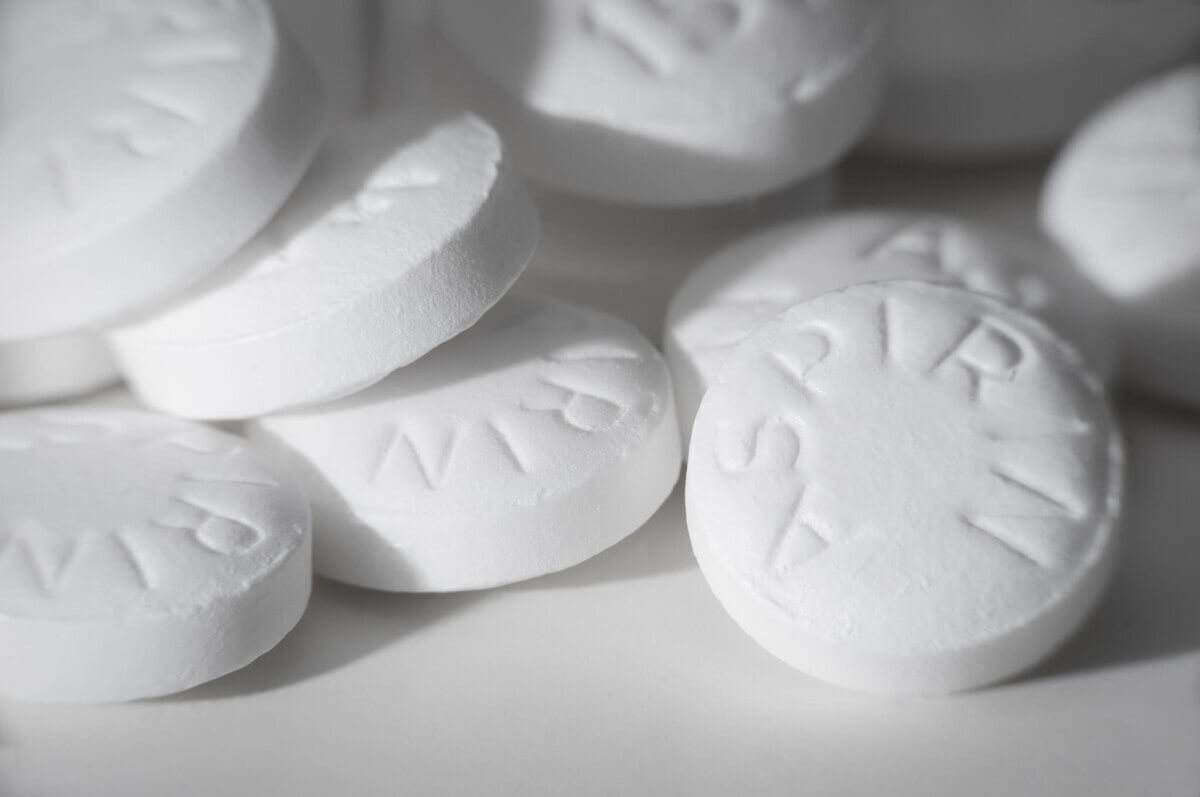
(© blueskies9 - stock.adobe.com)
RAMAT-GAN, Israel — Aspirin, the common pain reliever and fever reducer, has a long history of being a safe, low-cost way to treat various cardiovascular conditions. More recently, research suggests aspirin can even help regulate immune responses to viral infections. With aspirin’s virus-fighting abilities in mind, a team of Israeli researchers set out to see if aspirin can help in the fight against COVID-19. Sure enough, their work suggests taking aspirin can reduce one’s risk of contracting the virus.
More specifically, study authors from Bar-Ilan University hypothesized that a daily regimen of low-dose aspirin (75mg) may offer a “beneficial effect on COVID-19 susceptibility and disease duration.”
To test their theory, researchers analyzed data on 10,477 people tested for COVID-19 in Israel between February and June 2020. That work led them to this conclusion: in comparison to non-aspirin users, generally healthy patients using aspirin to avoid the development of cardiovascular disease experienced a 29-percent lower risk of COVID-19 infection.
Taking aspirin helps COVID patients too
Moreover, patients testing positive for COVID-19 who took aspirin recovered faster and tested negative for SARS-CoV-2 quicker than COVID-19 patients not using aspirin. On average, aspirin users recovered two to three days faster than other coronavirus patients.
“This observation of the possible beneficial effect of low doses of aspirin on COVID-19 infection is preliminary but seems very promising,” says study leader Prof. Eli Magen from the Barzilai Medical Center in a media release.
Study authors stress the relationship between aspirin and COVID-19 requires more research, particularly using a larger and more diverse population sample.
“The present study sought to better understand the potential favorable effects of aspirin in aiding the human immune system battle COVID-19. We intend to investigate a larger cohort of patients and in randomized clinical trials,” concludes Dr. Milana Frenkel-Morgenstern from the Azrieli Faculty of Medicine of Bar-Ilan University.
The study is published in FEBS Journal.


