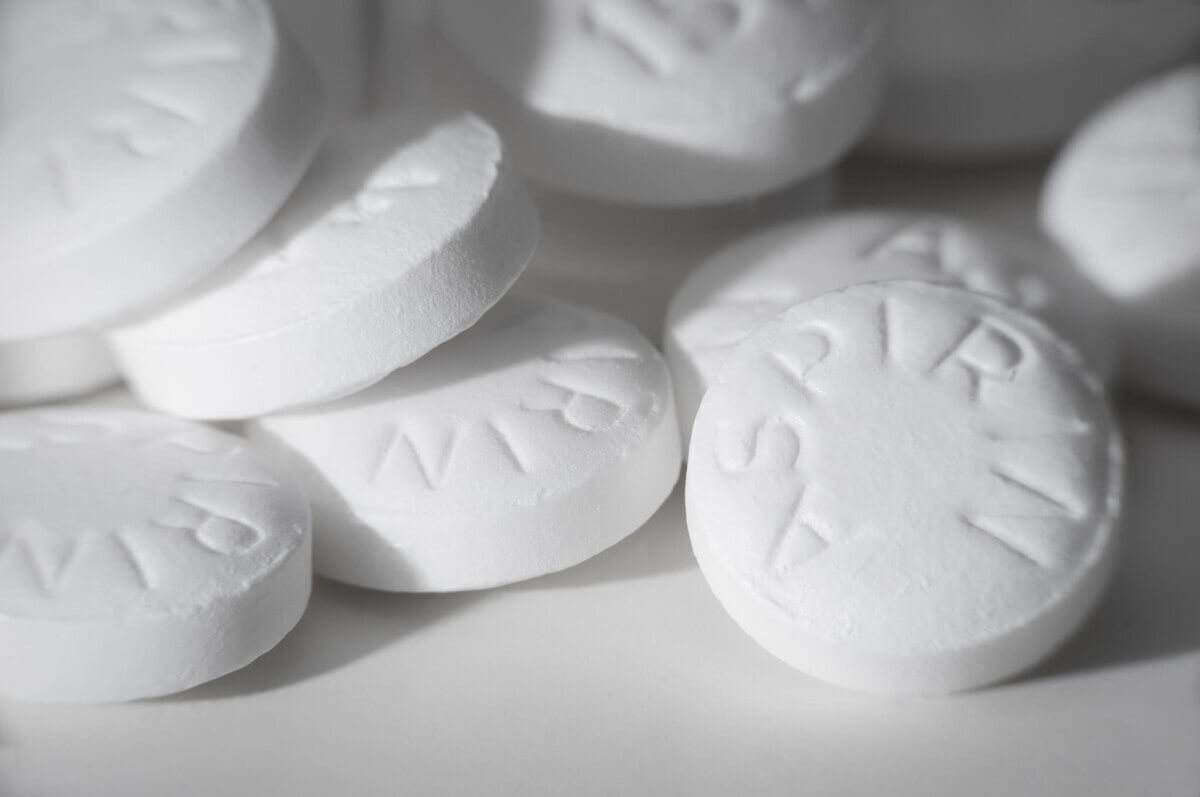
(© blueskies9 - stock.adobe.com)
BOSTON – Doctors often prescribe a daily aspirin for people with a history of blood clots, stroke, or heart attack. In low doses, the drug is known to help reduce blood clotting. Now there may be good reason for cancer patients to avoid the drug. A new study suggests taking aspirin daily may promote cancer progression and lead to early death among older adults.
The study is the first randomized, double-blind placebo-controlled clinical trial to examine low-dose aspirin in healthy older adults. The ASPirin in Reducing Events in the Elderly (ASPREE) trial includes 19,114 elderly participants from Australia and the United States. Researchers followed the participants for nearly five years. All were free of cardiovascular disease, dementia, or physical disability at the start of the study.
The initial results in 2018 show a link between aspirin and early death due to cancer. The new study expands upon their previous work by taking a more detailed look into this link.
“We conducted this study as a more detailed examination of the effect of aspirin on the development of cancer as well as death from cancer,” senior author Andrew Chan says in a media release.
The connection between aspirin and cancer
The findings show no difference between the number of people who develop cancer in the aspirin group (981 people) compared to the placebo group (952 people). Researchers say aspirin is associated with a 19-percent higher risk of being diagnosed with cancers that spread. There’s also a 22-percent higher risk of doctors finding an advanced cancer. Among those who develop advanced cancers, those taking aspirin are also more likely to die.
“Deaths were particularly high among those on aspirin who were diagnosed with advanced solid cancers, suggesting a possible adverse effect of aspirin on the growth of cancers once they have already developed in older adults,” adds Chan.
The researchers caution however, that their results do not necessarily mean that younger adults who have been prescribed low-dose aspirin should stop taking it.
“Although these results suggest that we should be cautious about starting aspirin therapy in otherwise healthy older adults, this does not mean that individuals who are already taking aspirin–particularly if they began taking it at a younger age–should stop their aspirin regimen,” Chan explains.
The study is published in the Journal of the National Cancer Institute
[fb_follow /]


