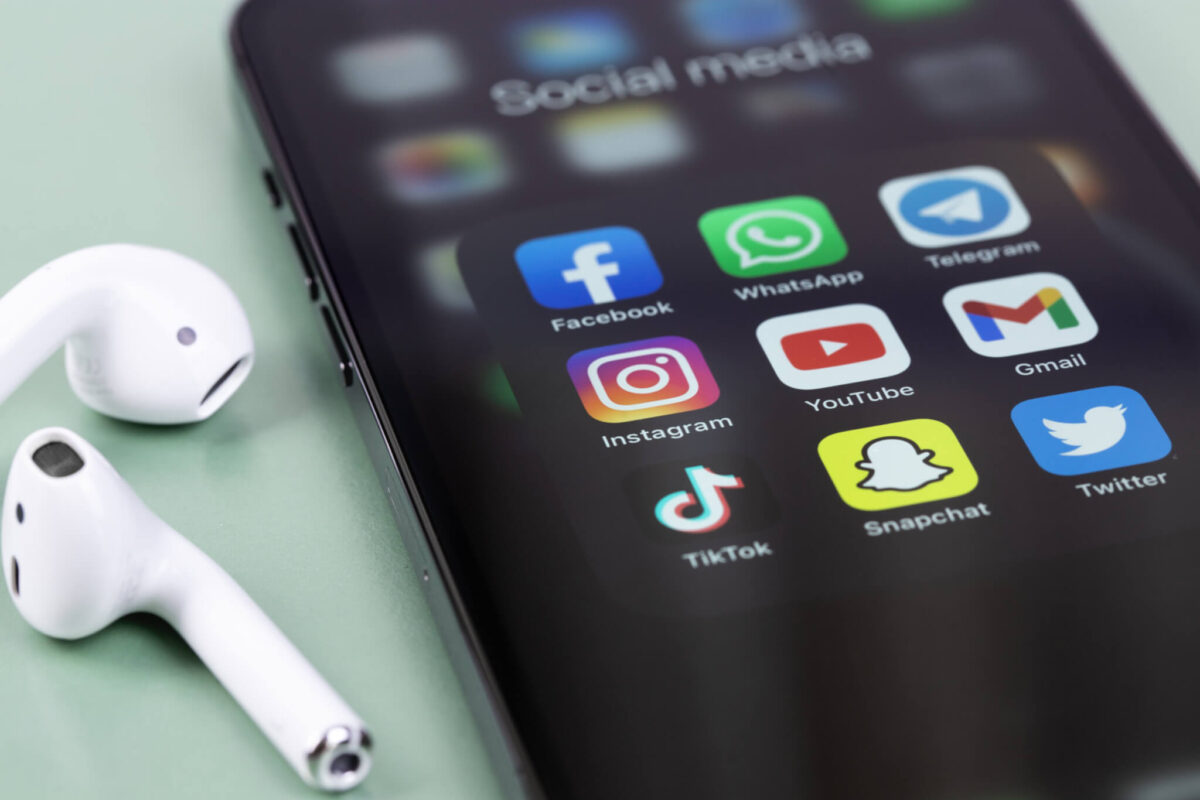
Social Media algorithms often reward climate denial pseudoscience. (© prima91 - stock.adobe.com)
ULTIMO, Australia — Social media has helped to connect the world in a way previous generations could never dream of. Unfortunately, there’s a dark side to that global online community. From social media trolling to cyber bullying to threats against our right to privacy, a new study finds using social media comes with many risks to your health and well-being.
Researchers with the University of Technology Sydney have discovered 46 specific harmful effects of using social networks. These include physical detriments, mental health problems, impacts on work or school productivity, and security or privacy issues.
To call this a risk to global health would be an understatement. More than 3.6 billion people, about half the global population, use social networks such as Facebook and Instagram. Researchers say the best way to avoid these dangers is to be more aware of them and practice moderation when going online.
“Social media harms have mostly been studied from a psychopathological perspective. They have received less attention from information systems researchers,” says Dr. Eila Erfani, Deputy Head of the UTS School of Information, Systems and Modelling, in a university release.
“Information systems looks at the impact of technology on people and organizations in order to better meet their needs. Identifying and understanding how to reduce adverse outcomes from social media use is part of that challenge,” Erfani continues. “The World Health Organization has recognized the need for further research on information technology addiction and the need to develop strategies for preventing and treating this problem.”
Six degrees of social media harm
Study authors broke the dozens of social media dangers down into six specific fields.
- Cost of social exchange: This includes both psychological harms, such as depression, anxiety, or jealousy, and other costs to users like wasting time, energy, and even money.
- Annoying content: These harms appear when users view content that annoys, upsets, or irritates them. This typically includes disturbing, violent, sexual, or obscene content.
- Privacy concerns: These are threats to personal privacy related to storing, repurposing, or sharing personal information with third parties.
- Security threats: These are harms from fraud or deception which can emerge from phishing or social engineering scams.
- Cyberbullying: This includes any abuse or harassment by groups or individuals who send abusive messages, lie about others, stalk individuals, or spread rumors.
- Low performance: This refers to the negative impact social media use can have on job or academic performance.
“Much of the research on social network use has focused on its benefits and potential, but we were interested in comprehensively identifying the negative impacts that have been associated with social media use,” says PhD candidate and study author Layla Boroon.
“We reviewed more than 50 research articles published between 2003 and 2018. Some of the most common negative impacts included psychological harms such as jealousy, loneliness, anxiety and reduced self-esteem, as well as things like exposure to malicious software and phishing risks.”
The findings appear in the Journal of Global Information Management.


