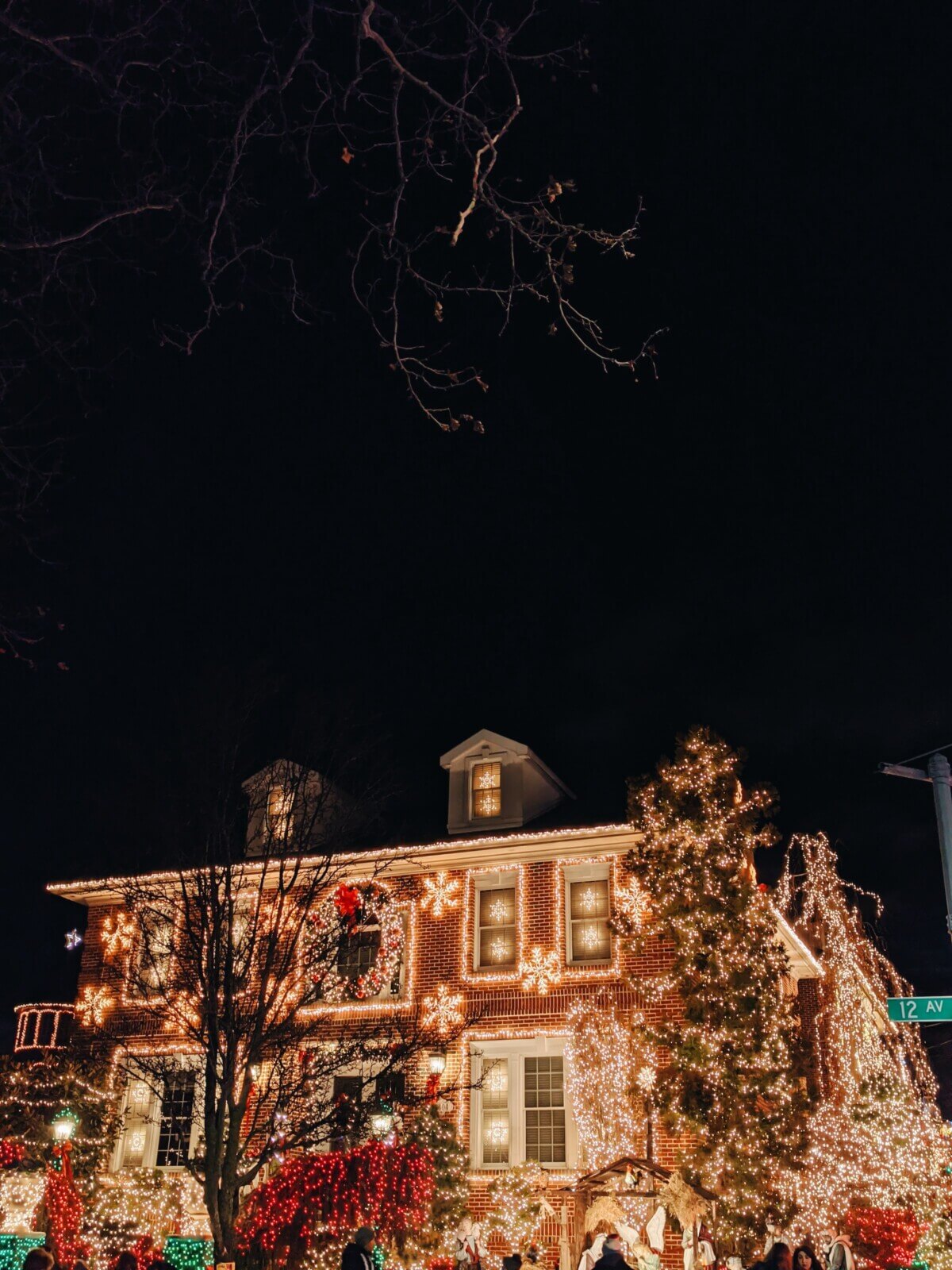
Photo by Juliana Malta on Unsplash
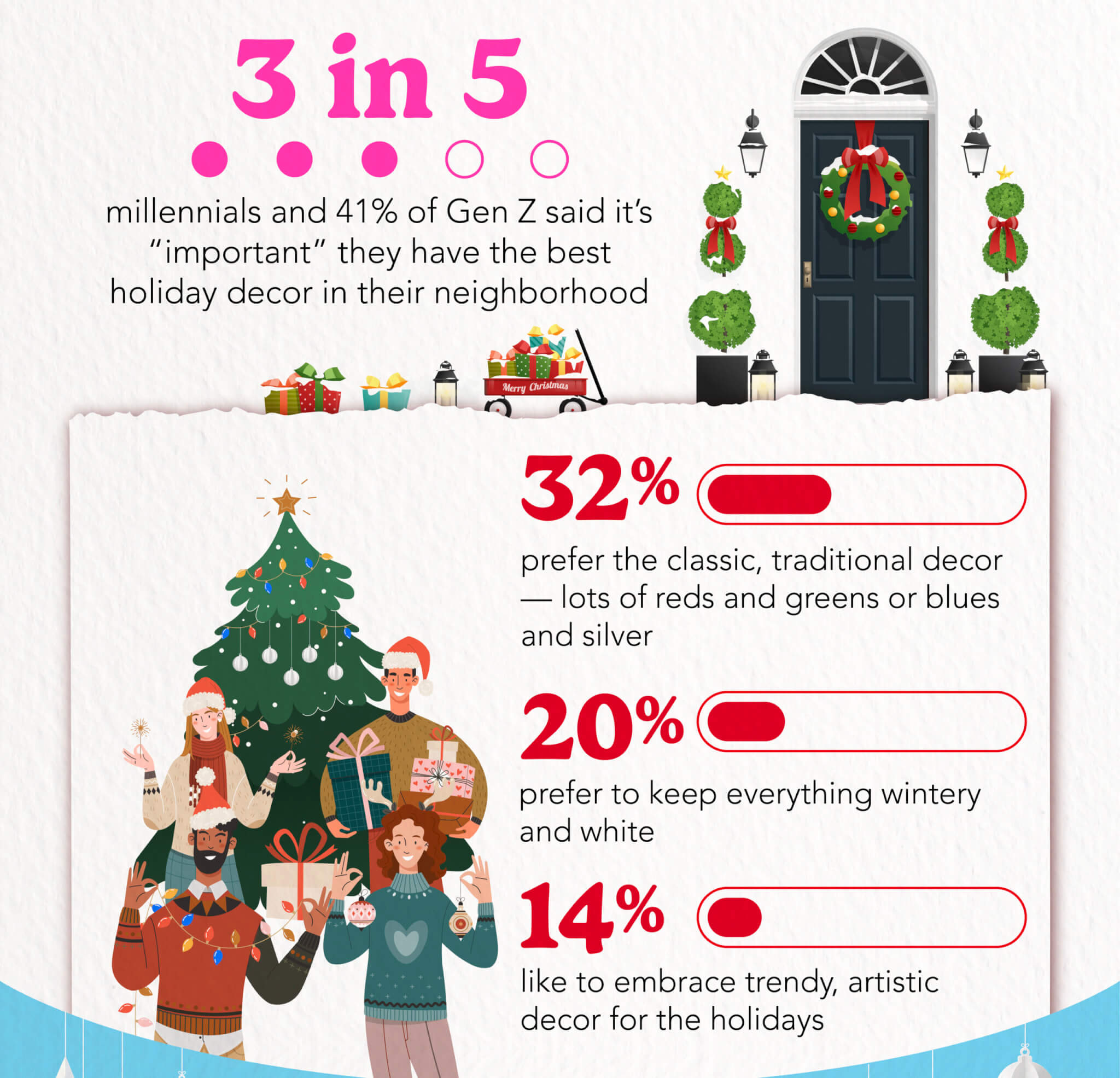
NEW YORK — Three in five millennials and 41 percent of Gen Z say it’s “important” to them that they have the best holiday decor in their neighborhood. A poll of 2,000 Gen Z and millennial Americans finds when it comes to holiday decor, a third (32%) prefer the classic, traditional decor — lots of reds and greens or blues and silver. Twenty percent prefer to keep everything wintery and white, while 14 percent like to embrace trendy, artistic decor for the holidays.
For many, following a theme doesn’t stop at decor — 46 percent from both generations like their gifts to follow a specific theme, and 52 percent are willing to spend at least $100 on wrapping materials to make sure gifts stick to an aesthetic.
Commissioned by Michaels, and conducted by OnePoll, the study also looks into the holiday traditions younger Americans follow and share with others. Both millennials and Gen Zers prefer traditions like watching their favorite holiday movies (59%), cooking (56%), and baking (53%).
Cookie swaps — where participants bake cookies and trade their baked goods — are also back: 47 percent plan to participate in one this year, and 74 percent of those respondents report this is the first year after the pandemic they feel comfortable participating in a swap.
Traditions like Elf on the Shelf® are also popular, with one in five Gen Z and millennials (22%) planning to participate for the holidays.
Overall, 71 percent say they’ve been following the same holiday traditions for most of their lives, though three in four are open to creating new traditions. Social media is changing the landscape of holiday traditions, as 59 percent admit they find new traditions through the social apps they use daily.
Meanwhile, others find new traditions through TV or in movies (43%) or are creating them with others by coincidence (41%).
“Younger generations are continuing to make the holidays special by creating memories through new and old traditions,” says spokesperson Mandi Clark, Lead Trend and Design Expert at Michaels, in a statement. “Everything from decking out your home to baking up homemade holiday treats and getting creative with your wrapped presents for loved ones play a role in making the holidays unforgettable.”
The survey also aims to discover the important role homemade goods play in the holidays.
Over four in 10 (41%) believe handmade gifts are the most meaningful to either give or receive during the holidays. One in four millennials also prefer to receive handmade gifts for the holidays.
Over half plan to DIY their holiday gifts and decor this year (58%) or gift homemade baked goods (56%) to save money, though 47 percent said they “always” or “often” prepare their home for the holidays with handmade decorations.
A majority of parents surveyed (84%) say they like to let their kids decorate the home for the holidays — letting them decorate the tree (75%), handcraft ornaments (57%), and make paper snowflakes (53%).
“We’re also seeing more and more people preferring handmade and handcrafted gifts for the holidays,” Clark continues. “Sure, the rising costs of gifts can play a factor — but price aside, more people care about the meaning and thoughtfulness that comes with handmade gifts that can’t be replicated.”
Survey methodology:
This random double-opt-in survey of 2,000 American Gen Z and millennial adults who celebrate a winter holiday was commissioned by Michaels between October 31 and November 3, 2023. It was conducted by market research company OnePoll, whose team members are members of the Market Research Society and have corporate membership to the American Association for Public Opinion Research (AAPOR) and the European Society for Opinion and Marketing Research (ESOMAR).


