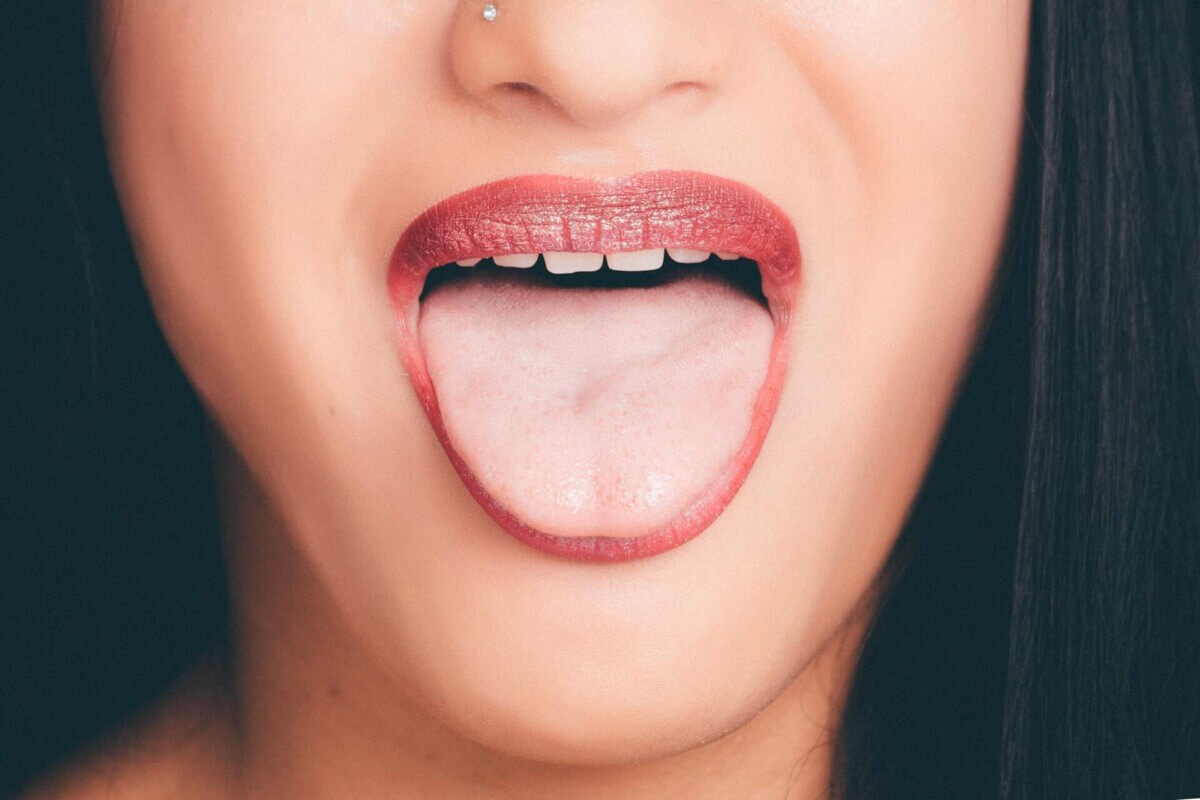
(Credit: Oleg Magni from Pexels)
ADELAIDE, Australia — A practice rooted in Chinese herbal medicine for over two millennia — examining the human tongue for signs of illness — has found itself at the forefront of modern health care, thanks to artificial intelligence (AI).
Tongue diagnostic systems, traditionally employed by Chinese herbalists, are gaining popularity worldwide, particularly in the context of remote health monitoring. A study conducted by researchers from the Middle Technical University (MTU) in Baghdad and the University of South Australia (UniSA) now provides further evidence of the remarkable accuracy of this technology in detecting diseases.
Engineers from MTU and UniSA harnessed the power of a USB web camera and computer to capture images of patients’ tongues, focusing on 50 individuals afflicted with conditions like diabetes, renal failure, and anemia. They then compared the captured tongue colors with a comprehensive database of 9,000 tongue images.
Leveraging advanced image processing techniques, researchers achieved a diagnostic accuracy rate of 94 percent, as compared to traditional laboratory results. The system automatically generated voicemails specifying the patient’s tongue color and the detected disease, which were sent as text messages to either the patient or their designated healthcare provider.
Engineers explored the global advancements in computer-aided disease diagnosis based on tongue color.
“Thousands of years ago, Chinese medicine pioneered the practice of examining the tongue to detect illness,” says Ali Al-Naji, adjunct associate professor at MTU and UniSA, in a university release. “Conventional medicine has long endorsed this method, demonstrating that the color, shape, and thickness of the tongue can reveal signs of diabetes, liver issues, circulatory and digestive problems, as well as blood and heart diseases.”
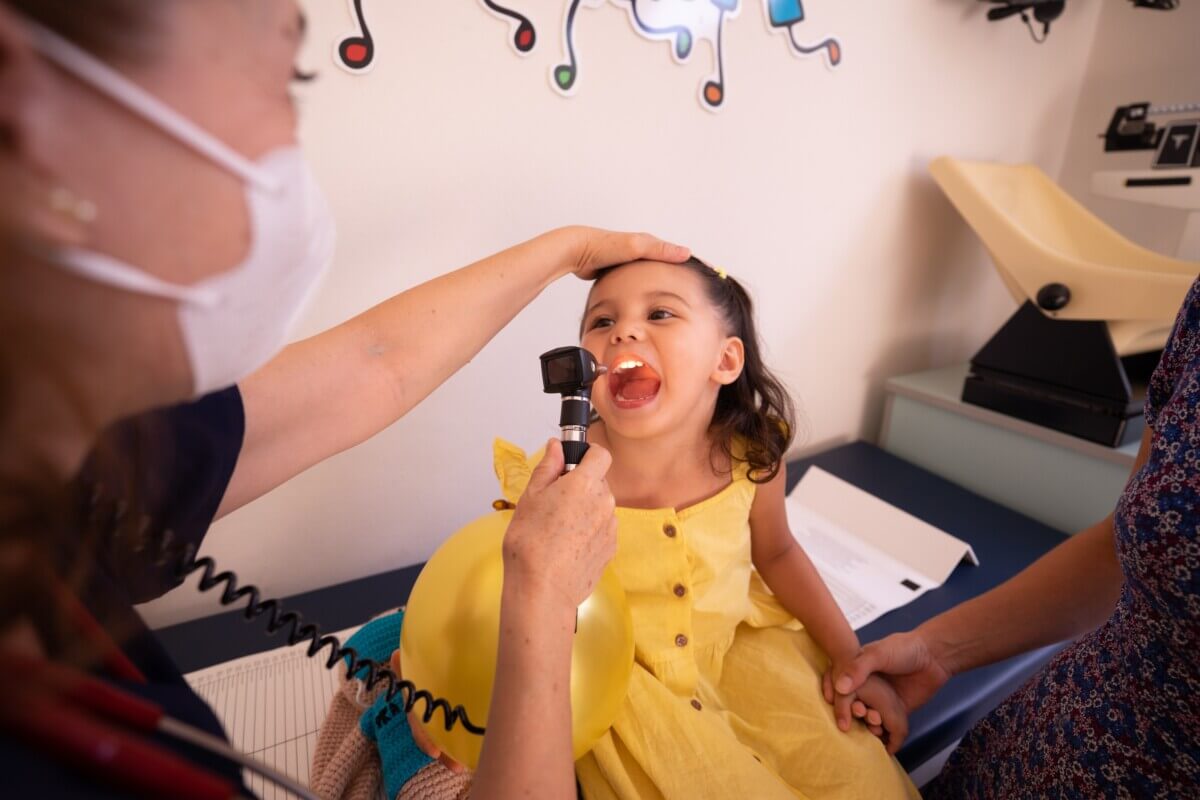
“Taking this a step further, new methods for diagnosing disease from the tongue’s appearance are now being done remotely using artificial intelligence and a camera – even a smartphone. Computerized tongue analysis is highly accurate and could help diagnose diseases remotely in a safe, effective, easy, painless, and cost-effective way. This is especially relevant in the wake of a global pandemic like COVID, where access to health centers can be compromised,” Al-Naji explains, further elaborating on the evolution of this ancient practice in the digital age.
Distinct diseases manifest specific tongue colors: diabetes patients often exhibit a yellow tongue, while cancer patients may have a purple tongue with a thick, greasy coating. Acute stroke patients, on the other hand, may present with a red and crooked tongue.
A separate study in Ukraine from 2022 examined tongue images of 135 COVID patients using a smartphone. The results revealed that 64 percent of mild infection cases featured a pale pink tongue, 62 percent of moderate cases showed a red tongue, and a striking 99 percent of severe COVID infections correlated with a dark red tongue.
Past investigations utilizing tongue diagnostic systems have effectively identified conditions such as appendicitis, diabetes, and thyroid disease.
“It is possible to diagnose with 80 percent accuracy more than 10 diseases that cause a visible change in tongue color. In our study we achieved a 94 percent accuracy with three diseases, so the potential is there to fine tune this research even further,” notes Al-Naji.
The study is published in the journal AIP Conference Proceedings.
You might also be interested in:
- Doctors: Man’s tongue becomes black, hairy after suffering stroke
- Eye scan boosted by AI detects signs of Parkinson’s disease 7 years early
- Scientists Create An ‘Electronic Tongue’ To Give Artificial Intelligence Human Taste
Lea la versión en español en EstudioRevela.com: La ventana a la verdadera salud es tu lengua: la IA revive una práctica de 2,000 años para diagnosticar enfermedades.


