pexels.com
BUFFALO, N.Y. — The intricate cannabis plant holds secrets in its myriad compounds, including over 100 cannabinoids that continue to puzzle scientists. While the well-known THC and CBD have been thoroughly studied, a host of other cannabinoids, including the emerging THC-O-acetate, are raising eyebrows. Marketed with claims of inducing psychedelic experiences akin to LSD or psilocybin mushrooms, THC-O-acetate’s allure has reached social media platforms, online forums, and even manufacturers’ advertising. However, the mystical reputation of THC-O-acetate is being debunked by a pioneering study by a team at the University at Buffalo.
“THC-O-acetate has been getting a lot of attention because people are saying it’s stronger than regular THC and there are these claims that it produces psychedelic effects. We wanted to study this and see, is there really a psychedelic cannabinoid? Can we find evidence that THC-O-acetate has this effect? And the answer is, not so much,” says study lead author Daniel J. Kruger, Ph.D., research associate professor in UB’s School of Public Health and Health Professions, in a university release.
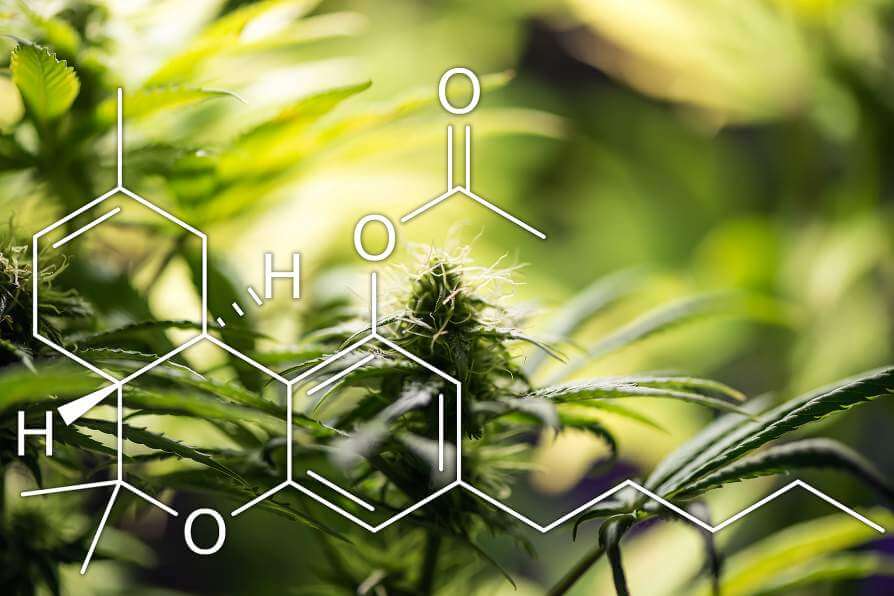
The research takes a deeper look into THC-O-acetate after a study last year that explored users’ experiences with delta-8 THC. The new study created a survey, administered to nearly 300 participants, assessing experiences with THC-O-acetate. The team compared responses to items from the Mystical Experience Questionnaire (MEQ), designed in the 1960s to evaluate psychedelic experiences. The outcome indicated that participants’ experiences fell significantly below the threshold for a complete mystical experience.
The study found that 79 percent of participants indicated minimal to no psychedelic experience with THC-O-acetate. Instead, users reported moderate relaxation, euphoria, and pain relief. The disparity in perceptions is attributed to expectations based on user knowledge, the potential misinterpretation of intense highs, or potential product contamination.
The research underscores potential public health risks tied to contamination in THC-O-acetate products. Some consumers may unknowingly encounter dangerous contaminants due to a lack of clarity regarding product content.
While products like delta-8 and THC-O-acetate generate curiosity, their claims often lack substantial research. Kruger highlights the regulatory void in cannabis products due to its federal illegality, leaving consumers with inadequate information and testing.
The study is published in the Journal of Psychoactive Drugs.


