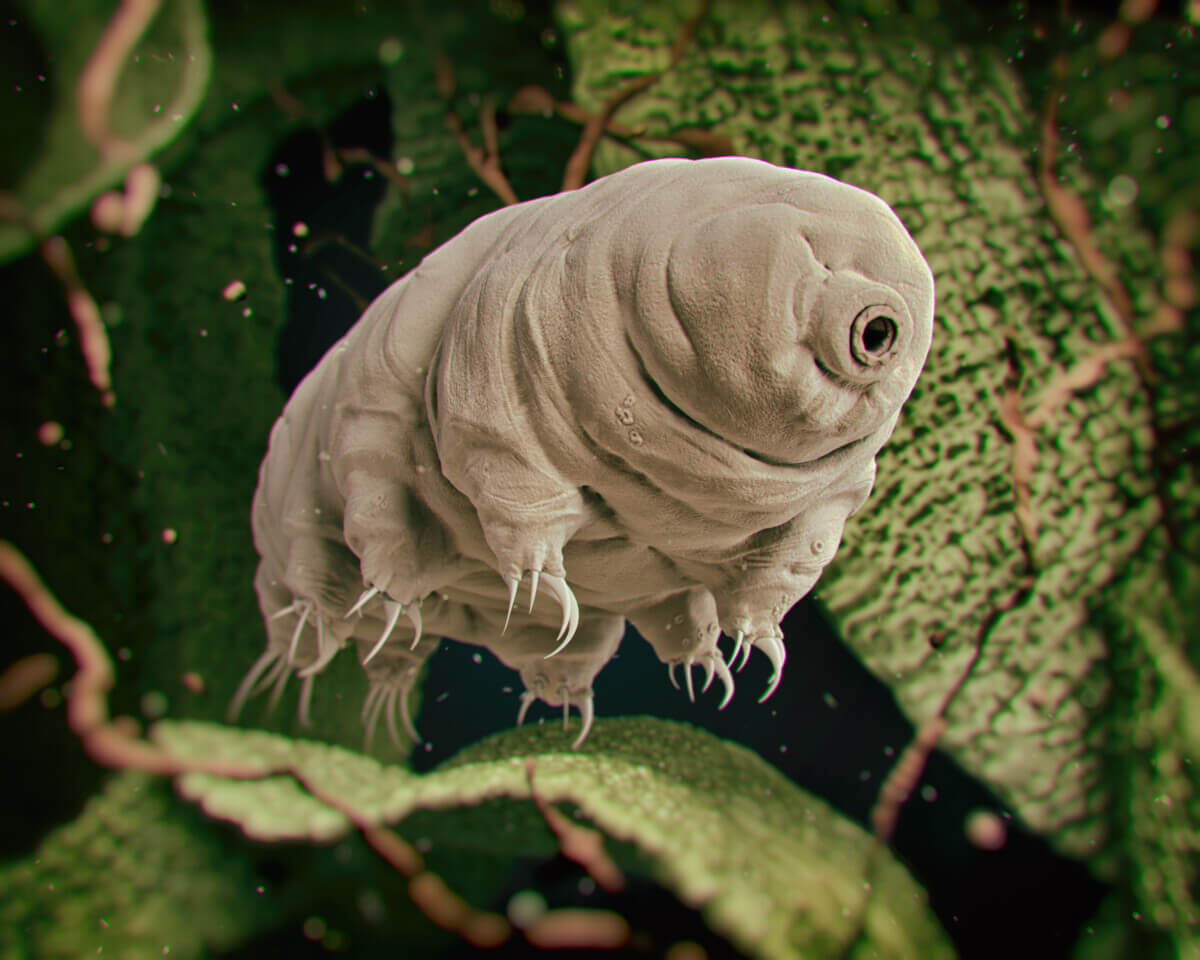
Tardigrade (Water Bear). 3d rendered illustration. (© rukanoga - stock.adobe.com)
LARAMIE, Wyo. — Tardigrades have been a microscopic mystery for years — mainly because they’re virtually indestructible! Now, a new study finds the material that keeps tardigrades alive in harsh environments could hold the key to slowing the aging process in humans. In groundbreaking experiments, scientists added tardigrade proteins to human cells and discovered that they can safely slow down human molecular processes.
An international team, led by researchers at the University of Wyoming, believes that adding tardigrade proteins to future medications may also create a new generation of pharmaceuticals that won’t need refrigeration. So, how could a creature you can’t even see with the naked eye potentially hold the key to the fountain of youth? The answer centers around the mysterious processes that keep tardigrades from dying — even in the vacuum of space!
????What To Know About Tardigrades:
- Also called water bears, tardigrades are less than half a millimeter long.
- They are found in a variety of habitats around the world, including in leaf litter and marine or freshwater sediments.
- Tardigrades can survive exposure to extreme cold, even as low as minus 458 degrees Fahrenheit.
- They can also survive temperatures over 300 degrees Fahrenheit or being irradiated at levels that would kill a human.
- Scientists believe tardigrades will not die while floating through the vacuum of space.
The new study, published in the journal Protein Science, examined how all of this is possible. The answer appears to revolve around a process called biostasis, a form of suspended animation. Tardigrade proteins form gels inside their cells, slowing down their life processes when they enter harsh environments or experience extreme stress.
With this knowledge in hand, scientists suspected that this could translate to humans. Senior Research Scientist Silvia Sanchez-Martinez, from the lab of UW Department of Molecular Biology Assistant Professor Thomas Boothby, tested the theory on human cells.
“Amazingly, when we introduce these proteins into human cells, they gel and slow down metabolism, just like in tardigrades,” Sanchez-Martinez says in a media release. “Furthermore, just like tardigrades, when you put human cells that have these proteins into biostasis, they become more resistant to stresses, conferring some of the tardigrades’ abilities to the human cells.”
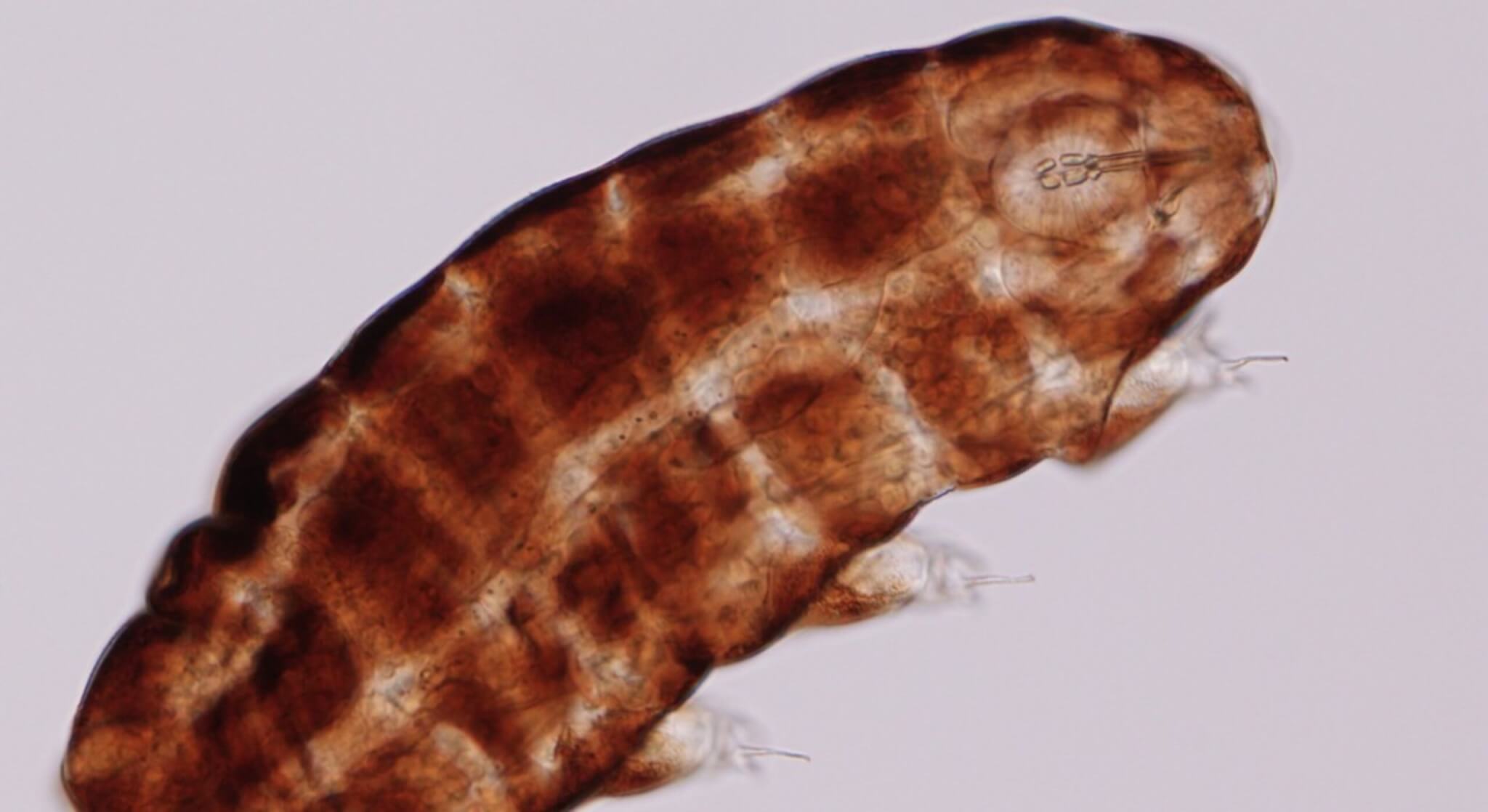
Importantly, the international team found that this anti-aging process is reversible, and the tardigrade protein only affects human cells while experiencing stress.
“When the stress is relieved, the tardigrade gels dissolve, and the human cells return to their normal metabolism,” Boothby says.
“Our findings provide an avenue for pursuing technologies centered on the induction of biostasis in cells and even whole organisms to slow aging and enhance storage and stability,” the researchers conclude.


