
(Credit: ZikG on Shutterstock)
Sodas, Energy Drinks Put Adolescents At Much Higher Risk For Anxiety Disorders
In A Nutshell
- Teens who regularly drink sodas, energy drinks, and other sugary beverages had roughly 34% higher odds of meeting criteria for an anxiety disorder, according to a new analysis of nine global studies.
- Seven of the nine studies found a positive link between sugary drink consumption and anxiety symptoms in adolescents aged 10 to 19.
- Researchers can’t yet confirm that sugary drinks cause anxiety: anxious teens may also be more likely to reach for sugary drinks as a form of comfort.
- The findings suggest the public health conversation about sugar has focused too heavily on physical health, while the mental health angle has been underexplored.
For decades, the public health argument against soda and energy drinks has been mostly physical. We’ve all heard the warnings: too much sugar leads to obesity, insulin resistance, and type 2 diabetes. Parents have been nudged, schools have pulled vending machines, and taxes on sugary drinks have been debated in legislatures around the world. Now, however, a fresh body of research is pointing toward a consequence that has largely flown under the radar. What is all that sugar doing to teenagers’ minds?
A systematic review and meta-analysis examining nearly 25 years of global research found that adolescents who regularly consume sugar-sweetened beverages had roughly 34% higher odds of meeting criteria for an anxiety disorder compared to those who drink them less often, based on four studies that measured anxiety as a threshold diagnosis. The authors say it is the first review of its kind, to their knowledge, to specifically examine the link between sugary drinks and anxiety in young people: not weight gain, not metabolic disease, but mental health.
That distinction matters more now than it might have a decade ago. Anxiety is already the most common mental health disorder among teenagers worldwide, affecting an estimated 15 to 20% of adolescents at any given time. Rates surged sharply following the COVID-19 pandemic, with one in five children and young people in England alone meeting criteria for a probable mental disorder in 2023. Most public health efforts have continued to frame teen nutrition as a physical health issue. This research, published in the Journal of Human Nutrition and Dietetics, makes the case that framing may be incomplete.
What the Research on Sugar-Sweetened Beverages and Teen Anxiety Found
Researchers combed through more than 121,000 records published between 2000 and 2025, ultimately landing on nine studies rigorous enough to include. Seven captured a snapshot of teens at a single point in time, while two tracked the same adolescents over a full year. Combined, those studies covered more than 70,000 teenagers between the ages of 10 and 19, drawn from countries including China, Canada, Iran, Bangladesh, and Australia.
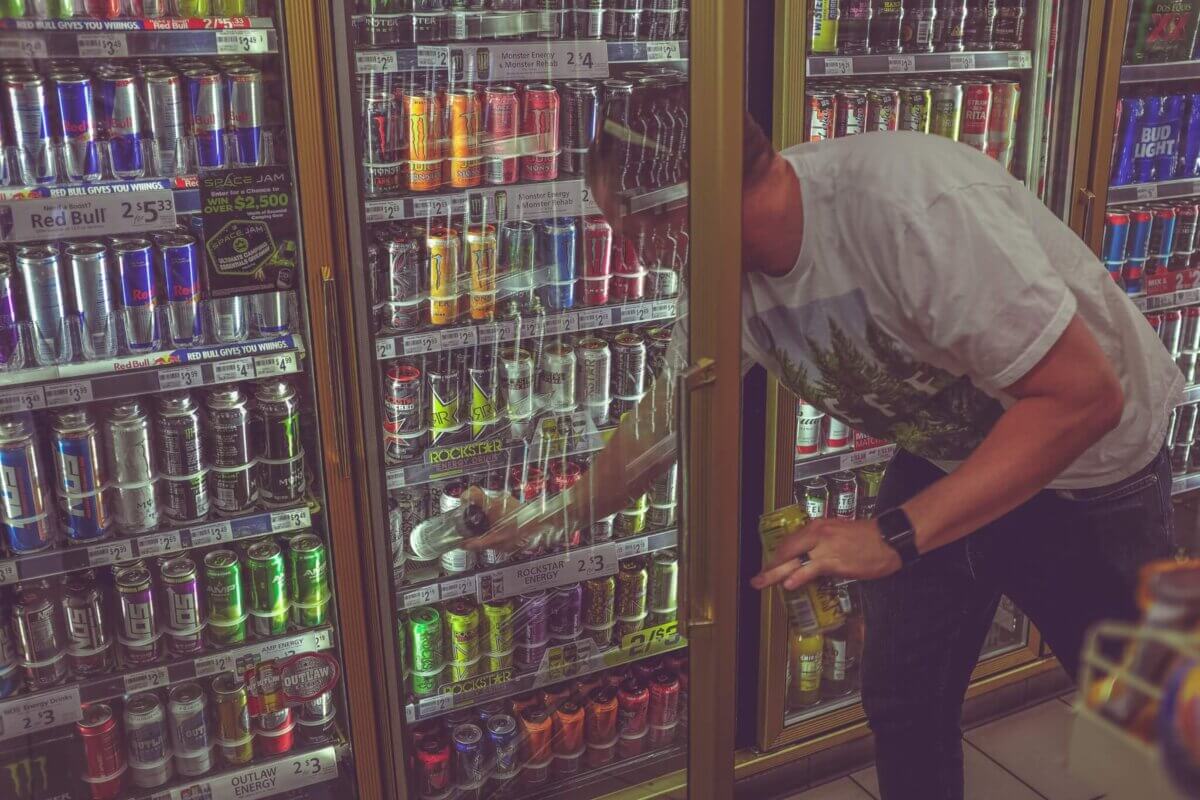
Seven of the nine studies found a meaningful positive link between sugary drink consumption and anxiety symptoms. The beverages in question ranged from sodas and fruit-flavored drinks to energy drinks like Red Bull and Monster, though how much teens were drinking varied from study to study. Two studies found no significant relationship, likely reflecting differences in how consumption or anxiety was measured across those populations.
The year-long studies are worth singling out. Both were conducted in Canada and used the same validated anxiety screening tool at the start of the study and again 12 months later. Their results showed a small but persistent connection between how much teens drank at the outset and how anxious they were a year down the road, suggesting the link held over time, though still not proving cause and effect.
When researchers pooled the four studies with comparable data, adolescents with higher daily intake had 34% greater odds of meeting criteria for an anxiety disorder, after accounting for age, sex, body weight, and a range of lifestyle and socioeconomic factors.
Why Sugary Drinks Might Be Affecting Teen Mental Health
The honest answer is that researchers don’t know for certain, but there are reasonable theories. High sugar intake appears to promote inflammation in the brain, potentially disrupting the systems that regulate stress and mood. Some animal research suggests that diets loaded with refined sugar can interfere with the brain’s ability to keep anxiety in check, though whether that translates directly to humans is still being worked out.
Energy drinks add another layer. Many carry significant amounts of caffeine, which can amplify anxiety on its own. Moreover, the teen brain, still in the middle of major development, may be more vulnerable to those effects than an adult’s.
The authors are careful not to claim that soda causes anxiety. “Given the predominance of observational designs,” they write, “these findings should be interpreted as associations rather than evidence of causality.” Reverse causality is a real possibility: anxious teens may reach for sugary drinks as a form of comfort, meaning the anxiety could be driving the consumption rather than the other way around.
Sugar Taxes and School Bans Only Go So Far
One of the more sobering threads in the research is who bears the most risk. Adolescents from lower socioeconomic backgrounds tend to consume more sugary drinks, and these same groups also face higher mental health burdens. Soda taxes, while well-intentioned, can end up hitting those families hardest without guaranteeing access to cheaper, healthier alternatives.
Schools, parents, and doctors may all have a role to play that goes beyond removal and restriction. When parents keep sugary drinks stocked at home and reach for them regularly, teens tend to mirror the habit. Pediatricians and family doctors who see anxious teenagers might also start asking what they’re drinking: a low-effort question that could open up a meaningful conversation about diet as one piece of the mental health picture.
No single dietary habit is a smoking gun for anxiety. The condition is shaped by genetics, sleep, relationships, stress, and dozens of other variables. But this research adds momentum to an argument that the sugar conversation has been too narrow for too long, measuring harm almost entirely in pounds and blood sugar readings, while a quieter connection to mental health has been building in the background.
Disclaimer: This article is based on a peer-reviewed systematic review and meta-analysis. The findings reflect associations observed in observational studies and should not be interpreted as proof that sugar-sweetened beverages cause anxiety disorders. Readers with concerns about their own or their child’s mental health are encouraged to consult a qualified healthcare professional.
Paper Notes
Study Limitations
All nine studies relied on self-reported data for SSB intake, which opens the door to participants over- or under-reporting what they actually drank. None used objective measures like blood markers to verify consumption. The studies also varied in how they defined sugary beverages, with some lumping together nutritionally different drinks like flavored milk, yogurt drinks, and fruit juice. Only four studies could be combined in the formal analysis due to mismatched measurement methods across the others, which limits the strength of the pooled result. Most studies came from China, leaving Europe, the UK, and much of the Americas underrepresented. Factors like overall diet quality, sleep, and caffeine intake weren’t consistently controlled for across all studies, meaning some of the observed association could reflect those variables rather than sugary drink consumption specifically.
Funding and Disclosures
The excerpted manuscript does not list specific funding sources or author disclosures. The study protocol was registered with the International Prospective Register of Systematic Reviews (PROSPERO), with a registration number listed as pending at time of publication.
Publication Details
Title: Sugar-Sweetened Beverage Consumption and Anxiety Disorders in Adolescents: A Systematic Review and Meta-analysis | Authors: Karim Khaled, Nathalie Abdulbaki, Orouba Almilaji, Chloe Casey, and Fotini Tsofliou | Journal: Journal of Human Nutrition and Dietetics | DOI: 10.1111/jhn.70217 | Key Statistical Finding: Odds Ratio (OR): 1.34, 95% Confidence Interval (CI): 1.14–1.59, based on a random-effects meta-analysis of four included studies reporting binary anxiety outcomes.


