(© Sascha Burkard - stock.adobe.com)
CORVALLIS, Ore. — There’s no denying it: Americans love their caffeine. Whether you’re a coffee lover, tea aficionado, soda supporter, or just a big fan of chocolate, chances are you’re consuming at least a little bit of caffeine each day. In fact, it’s estimated that roughly 80% of U.S. adults enjoy a dose of caffeine on a daily basis. Now, new research finds that caffeine consumption is so widespread, it was detected in 100% of supposedly pure analyzed blood samples provided by blood banks.
These blood samples would normally be used in hospitals all over the U.S. for transfusions, meaning there is a potentially high likelihood that countless patients are being given blood that isn’t as pure as they are being led to believe. Furthermore, traces of alprazolam, better known as the anti-anxiety prescription drug Xanax, and cough medicine, were also discovered in a significant portion of analyzed blood bank samples.
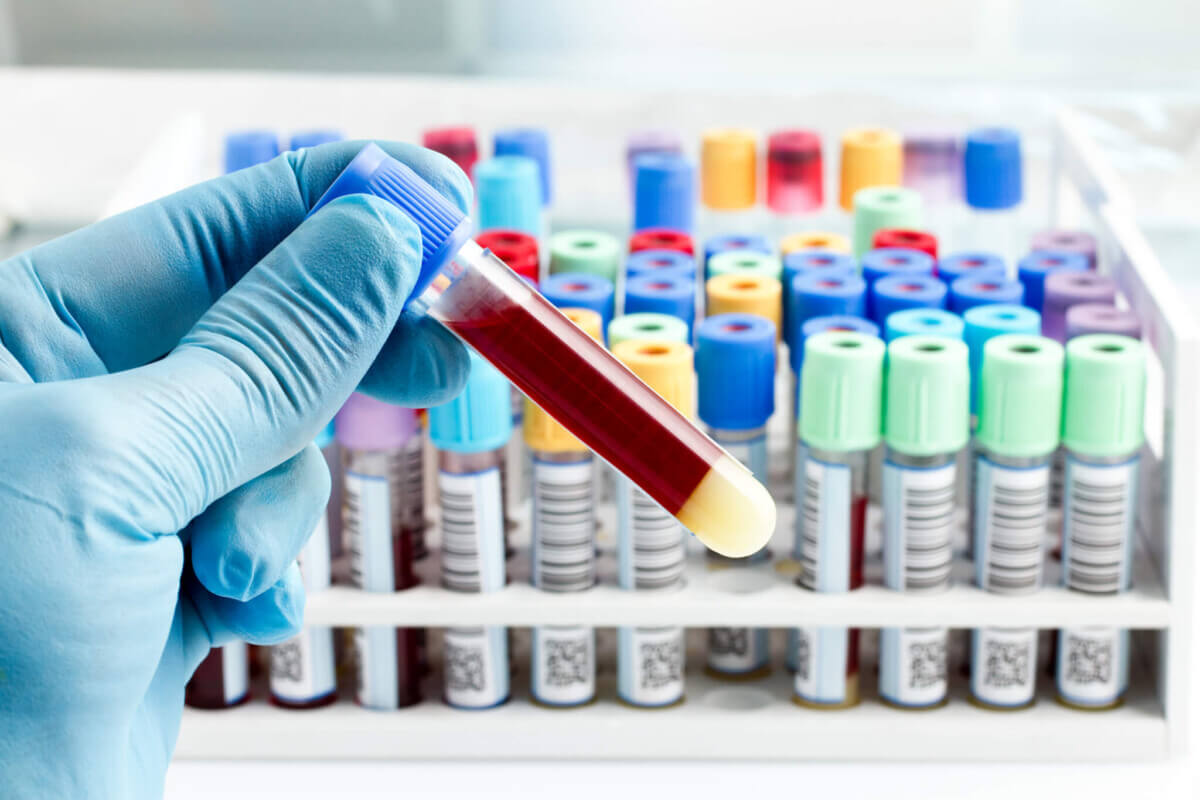
Richard van Breemen and Luying Chen, two scientists at Oregon State University, purchased 18 samples of what should have been pure human blood serum from a variety of different biomedical suppliers. These medical suppliers predominantly get their blood from blood banks, and then pass along the samples to health facilities.
Incredibly, all 18 blood batches tested positive for caffeine. Additionally, 13 tested positive for Xanax, and eight showed traces of dextromethorphan (over-the-counter cough medicine). Besides what these results could mean for many transfusion patients, the study’s authors say their findings also indicate that a great deal of blood being used for research purposes is tainted.
“From a ‘contamination’ standpoint, caffeine is not a big worry for patients, though it may be a commentary on current society,” says Chen, a Ph.D. student, in a release. “But the other drugs being in there could be an issue for patients, as well as posing a problem for those of us doing this type of research because it’s hard to get clean blood samples.”
The blood samples were also tested for tolbutamide, a medicine used to treat type 2 diabetes, but no traces were detected.
While the results certainly indicate that millions of blood transfusion patients are also receiving some extra caffeine, Xanax, or cough medicine, the study’s authors caution that their sample size was relatively small.
“The study leads you in that direction, though without doing a comprehensive survey of vendors and blood banks we can only speculate on how widespread the problem is,” says van Breemen, the director of OSU’s Linus Pauling Institute. “Another thing to consider is that we found drugs that we just happened to be looking for in doing the drug interaction assay validation – how many others are in there too that we weren’t looking for?”
The study is published in the Journal of Pharmaceutical and Biomedical Analysis.


