
3D render of waste from broken artificial satellites floating in orbit in space around planet Earth. (credit: West Virginia University)
MORGANTOWN, W.Va. — Space debris as small as a paint flake can fly around the Earth at a mind-boggling speed of 15,000 miles per hour. This can be very dangerous for astronauts and the rest of us on Earth. With that in mind, West Virginia University researchers are working to detect and identify this high-speed debris because, as of now, there is no way of tracking these deadly projectiles orbiting the planet.
Researchers say there are more than 100 million objects larger than one millimeter orbiting Earth. But the shocking part is that less than one percent of these objects, which can cause severe damage, are currently being tracked. This lack of monitoring could wreak havoc in areas like banking, communications, and GPS — all of which heavily depend on space assets.
“It’s not about the size, it’s about the energy,” says Piyush Mehta, an assistant professor of mechanical and aerospace engineering in the Benjamin M. Statler College of Engineering and Mineral Resources, in a university release. “It may be the size of a grain of salt but because it’s traveling so quickly, it might be comparable to a truck moving at 70 miles an hour. You don’t want to be in its path.”
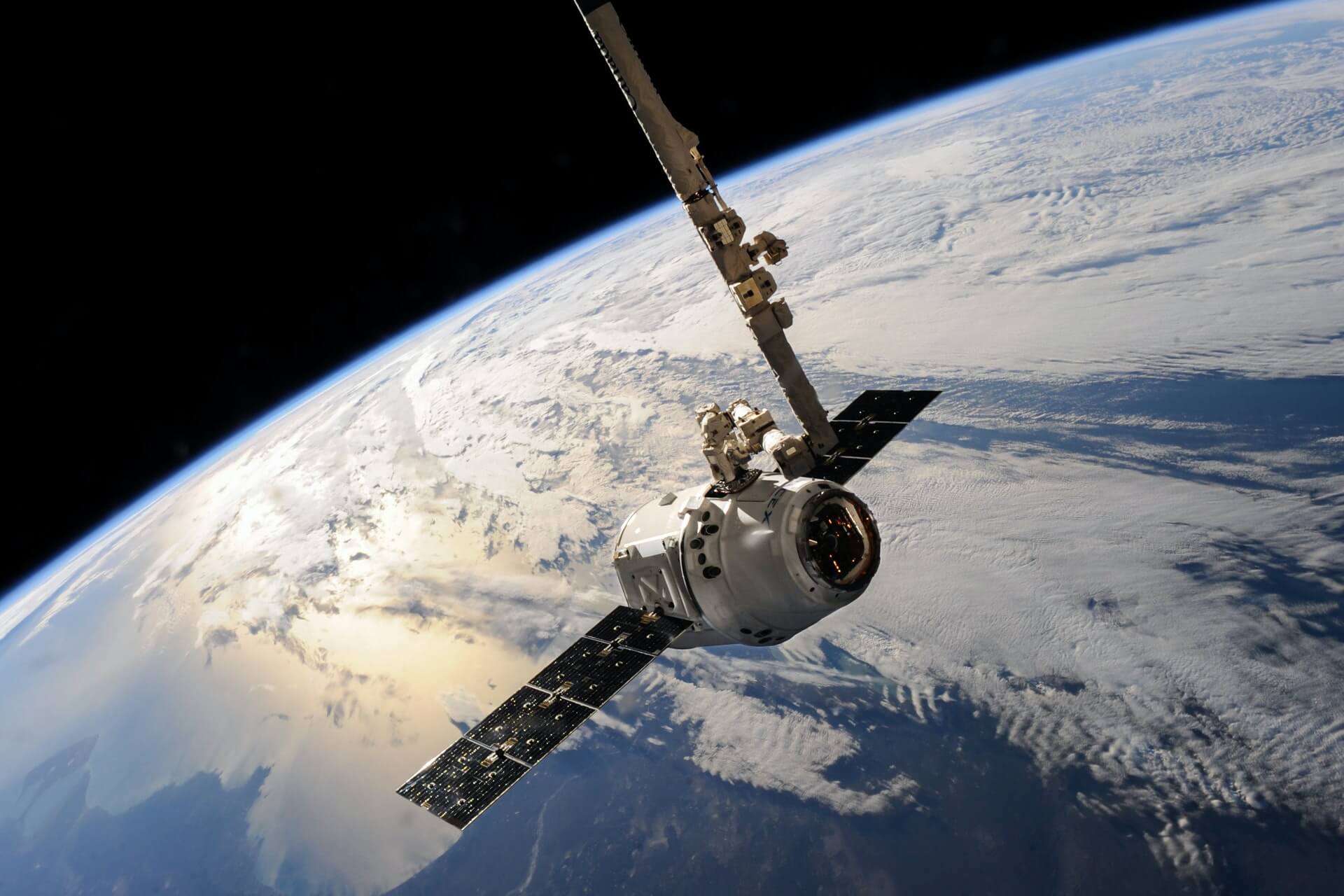
Sources of this high-velocity debris can range from collisions between two space objects to the explosion of old satellites.
The initiative is divided into two distinct phases spanning two years each. The first aims at detection and characterization of debris, while the second focuses on developing technologies and algorithms to continuously track them.
“The debris population is a rapidly growing threat to satellites in orbit now, future launches and the overall expansion of the space ecosystem,” says Alexis Truitt, SINTRA program manager. “New, innovative solutions are necessary to protect our space investments.”
“The primary objectives are to detect and track, and in the process, learn more about their physical attributes. Then we’ll develop new technologies and algorithms that will be tested and evaluated by government partners,” Mehta adds.
The team will develop a “digital twin” — a virtual model of a real-world system — to test and evaluate their findings in a simulated environment.
The work will be based at the WVU Center for KINETIC Plasma Physics.


