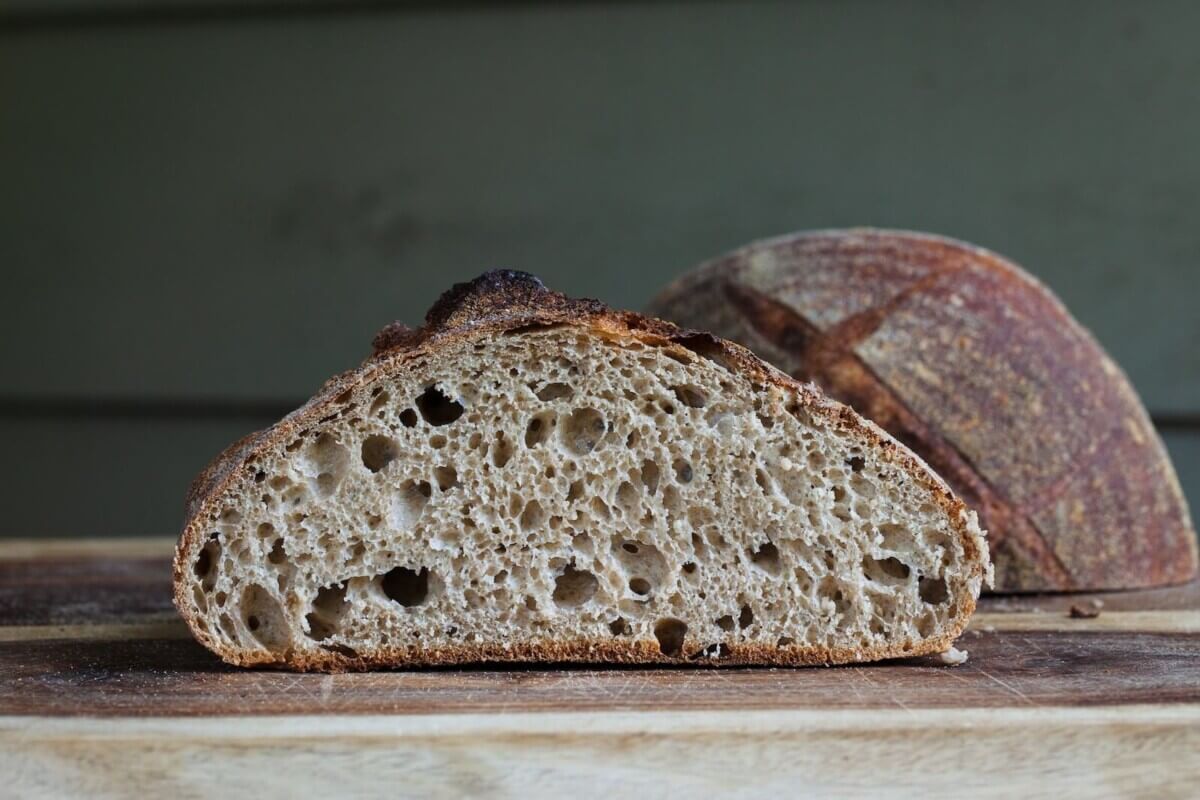
Microbes make a home among the starch grains of your sourdough starter. (Photo by Spring Fed Images from Unsplash)
UNIVERSITY PARK, Pa. — Celiac disease, a chronic autoimmune disorder triggered by the consumption of gluten, can seriously limit one’s food options, both at home and especially while dining out. However, researchers from Penn State and Colorado State University may have found a dietary game changer for those living with Celiac or a related gluten intolerance. At the heart of this research lies sourdough bread. Why? Sourdough contains less gluten than other breads, making it more tolerable for people with gluten sensitivities.
The research team is currently studying whether bacteria in the yeast starter needed to make sourdough bread might help reduce gluten across various other bread products.
Gluten is a protein naturally found in cereal grains, including wheat, barley, and rye, known to trigger an immune response in people with gluten intolerance and celiac disease. Gluten intolerances are generally characterized by adverse gastrointestinal symptoms after eating gluten-rich foods. These conditions are estimated to affect approximately seven percent of the U.S. population, according to the National Institutes of Health. Among that group, one percent suffer from celiac disease. The incidence of celiac disease has risen 7.5 percent annually over the last several decades, mirroring the continually increasing prevalence of autoimmune disorders worldwide.
Now, co-principle investigators Josephine Wee, a Penn State assistant professor of food science, and Charlene Van Buiten, a Colorado State University assistant professor of food science and human nutrition, have received a $500,000 grant provided by the U.S. Department of Agriculture. It will allow them to not only study if sourdough starter microbiomes can detoxify gluten in bread — making them safe for individuals with celiac disease — but also hopefully ascertain whether food scientists can manipulate them to boost both bread quality and safety.
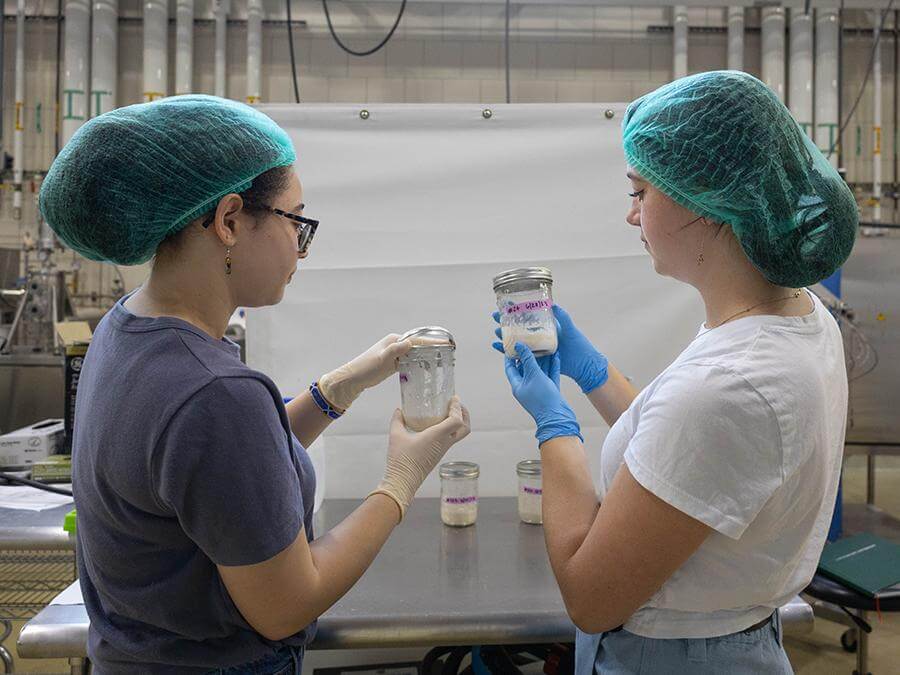
Conventional bread dough uses baker’s yeast to replace naturally present yeast and bacteria, known as sourdough fermentation, Prof. Wee notes. Sourdough bread is made by the fermentation of dough with wild Lactobacillaceae and yeast, and leavened with “starter cultures,” or communities of naturally occurring bacteria and yeast portioned and maintained via a series of passages at room temperature. Collectively, these communities are known as the sourdough microbiome.
“A study of 500 sourdough starters collected from around the world showed that no two starters are exactly alike, and presently, little is known about the ability of sourdough microbiomes,” Prof. Wee says in a media release. “Outcomes from this work will use whole food microbiomes to develop fermentation technologies that will address the next generation of consumer demands for high-quality ‘clean label’ products with reduced gluten immunogenicity.”
Immunogenicity refers to the ability of cells or tissues to spark an undesirable immune response. Clean label means making a product using as few ingredients as possible and ensuring those ingredients are items consumers recognize and consider wholesome, or less processed. Ingredients they may use at home, for instance.
The production of bread on a worldwide scale exceeds 100 million tons annually and is valued at $201 billion, according to Custom Markets Insights. However, bread is also a major food waste contributor due to spoilage, overproduction, and shifting consumer preferences. Prof. Wee adds that current bread-manufacturing practices fall short of meeting demands, necessitating innovative approaches aimed at improving quality and reducing waste.
“With combined expertise in food microbiology and nutritional biochemistry, our team is interested in characterizing the relationship between the sourdough microbiome, bread quality and gluten immunogenicity,” Prof. Wee concludes. “We hope the findings of this research will influence functional outcomes of bread quality and safety.”


