(Credit: ID 53880123 © Kaspars Grinvalds | Dreamstime.com)
In a Nutshell
- A treadmill exercise program and a coaching program built around walking more and sitting less produced similar improvements in asthma control.
- Improvements in asthma control and quality of life lasted at least four months in both groups, while the longer-term anxiety and depression results were more mixed.
- Most participants were women carrying excess weight and dealing with anxiety and depression alongside their asthma, a profile that lines up with who tends to struggle most with the disease.
For anyone with asthma who has ever felt too intimidated or too worn out to start a formal exercise program, a new study offers a welcome shortcut. Getting people to walk more and sit less, with coaching and a fitness tracker, worked about as well as structured treadmill workouts for controlling asthma symptoms.
Researchers in Brazil put 52 adults with moderate to severe, poorly controlled asthma through one of two eight-week programs, according to findings published in the journal Pulmonology. One group did supervised treadmill training twice a week. The other met with a health coach once a week and used a wearable activity tracker to nudge them into moving more throughout the day, without any formal exercise sessions. Both groups ended up breathing easier, feeling less anxious, and reporting a better quality of life, and those gains mostly held up four months later.
That result matters because starting an exercise routine can feel like a tall order for someone who struggles to catch their breath climbing stairs. Many people with asthma avoid physical activity altogether because they fear triggering symptoms, and that inactivity itself has been linked to worse disease control. There is more than one path to feeling better here, and patients do not have to choose the toughest one.
Setting Up the Asthma Control Study
Researchers recruited adults between 18 and 65 who had moderate to severe asthma that was not well controlled, based on their medication needs and symptom scores. Participants also had to be physically inactive at the start, getting less than the recommended amount of moderate to vigorous activity each week, as measured by a small motion-tracking device worn on the body.
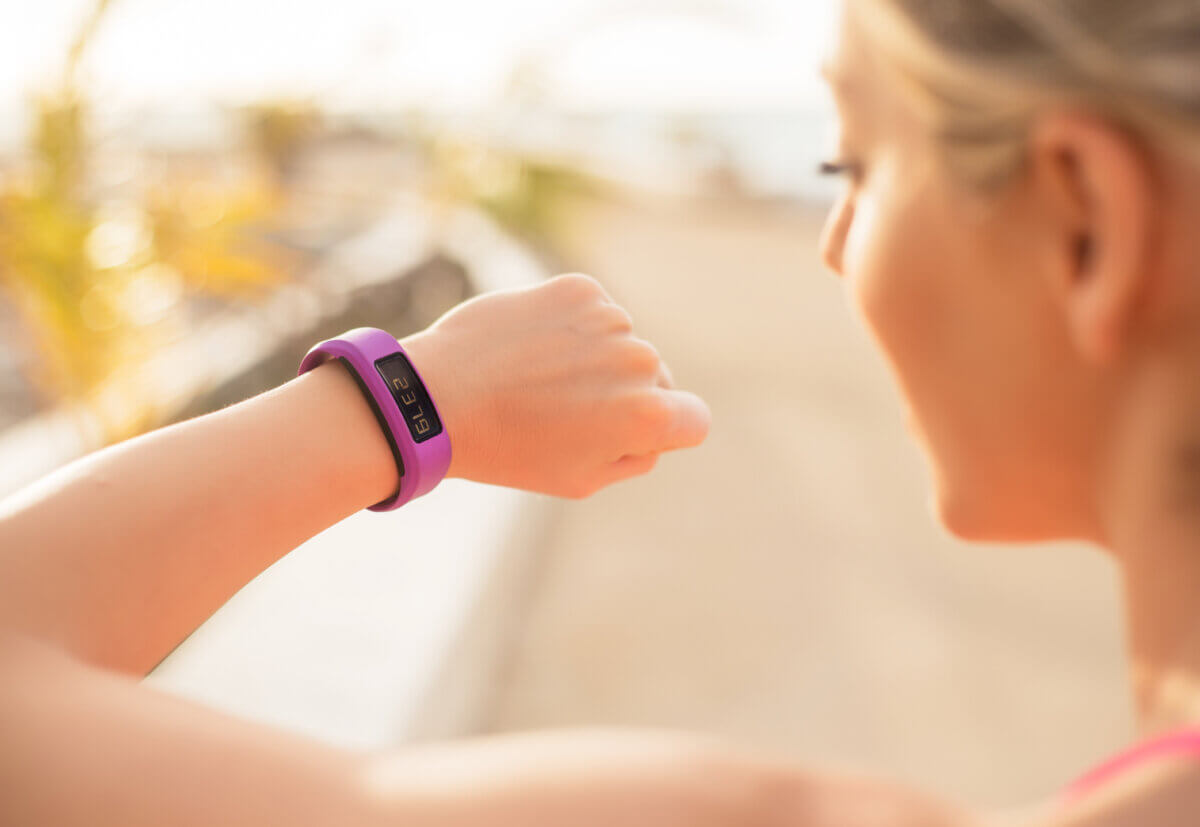
Fifty-two people were randomly split into two groups. Twenty-seven were assigned to treadmill training, working out twice a week for 45 minutes a session over eight weeks, at an intensity set by an individual fitness test. The other 25 were assigned to a coaching program, meeting with a health professional once a week for up to 90 minutes. Instead of formal workouts, that group focused on building daily habits: they wore a commercial fitness tracker set to buzz when they hit a step goal or when they had been sitting still for an hour, and reviewed their progress with a coach who helped them set realistic goals and work through obstacles.
Both groups also attended an asthma education session, and everyone kept taking their prescribed asthma medications throughout. Researchers checked in three times: before the programs started, right after the eight weeks ended, and again four months later. They measured asthma symptom control using a standard questionnaire, along with quality of life, anxiety and depression symptoms, sleep, body composition, and how much people actually moved during the day.
Nearly 9 in 10 participants were women. A typical participant was carrying extra weight, dealing with multiple health conditions, and showing signs of anxiety or depression along with a lower quality of life. That combination lines up with what other research has found about who tends to struggle most with uncontrolled asthma.

What Researchers Found About Asthma Control
Both groups saw meaningful drops in their asthma symptom scores by the end of the eight weeks, large enough by standard scoring guidelines to count as a real improvement in day-to-day symptoms. That improvement held up four months later in both groups, with no meaningful gap between the treadmill group and the coaching group. Roughly two-thirds of participants in each group still showed a clinically meaningful improvement at the four-month mark.
Quality of life scores climbed in both groups too, again by an amount considered clinically meaningful, and those gains also stuck around at follow-up. Anxiety and depression symptoms eased in both groups as well. Neither group showed changes in sleep quality or body composition.
A couple of results ran counter to expectations. Aerobic training usually lifts a person’s peak fitness, but the treadmill group saw no such bump, which the researchers tied to participants already having fairly well-preserved lung and heart fitness at the start, or to the program running only eight weeks. The coaching group’s daily step counts did climb over the eight weeks, though the researchers felt the gains fell short of what earlier behavioral programs have produced and pointed to that group’s higher body weight, which other studies have linked to a weaker response. Either way, both groups logged more weekly minutes of moderate to vigorous activity, the kind that gets the heart working.
Both groups also reported fewer personal and everyday barriers to being active after their programs, such as feeling too tired or not having a safe place to exercise, and those improvements remained at follow-up.
Why This Asthma Control Comparison Matters
This appears to be the first study to directly compare structured treadmill training with a walking-and-coaching approach for asthma control, rather than testing each against doing nothing. That head-to-head setup is what makes the findings useful for real-world decisions. A clinic without access to a gym or treadmill, or a patient who simply prefers a phone reminder over a scheduled workout, now has evidence that the simpler option is not a lesser one.
Completion rates were high in both arms, at 96 percent for the coaching group and 89 percent for the treadmill group, and the handful of people who dropped out did so because of work scheduling conflicts rather than the programs themselves.
None of this means exercise machines or gyms are useless for asthma. It means people do not need them to see real improvement. Building more movement into ordinary daily life, backed by a wearable tracker and regular one-on-one coaching, produced gains similar to those from structured treadmill sessions. For a disease that already asks a lot of the people living with it, having a workable alternative to the gym is no small thing.
Disclaimer: This article summarizes findings from a single peer-reviewed study and is for general informational purposes only. It is not medical advice. The trial involved 52 adults, most of them women with moderate to severe asthma, so the results may not apply to everyone, including men, children, and people with milder asthma. Anyone with asthma should talk to a doctor before starting or changing an exercise routine.
Paper Notes
Limitations
Researchers noted that the treadmill program ran for only eight weeks, shorter than many previous studies of exercise in asthma that lasted around 12 weeks, though they matched it to the length of the coaching program for a fair comparison. There was also a difference in body mass index between the two groups at the start despite random assignment, though this did not appear to affect most other results. Study participants were mostly women with moderate to severe asthma, so the findings may not extend to men, children, teenagers, or people with milder asthma.
Funding and Disclosures
Funding came from the São Paulo Research Foundation (FAPESP) and the Conselho Nacional de Desenvolvimento Científico e Tecnológico (CNPq), public research funding bodies in Brazil. According to the authors, these funders did not influence the study’s data collection, management, analysis, interpretation, or manuscript writing. No potential conflicts of interest were reported.
Publication Details
Paper Title: “Aerobic training versus behavioural intervention to increase physical activity on clinical control of people with moderate-to-severe asthma: A randomised clinical trial”
Authors: David Halen Araújo Pinheiro, Fabiano Francisco de Lima, Vitoria Zacarias Cervera, Yan Anderson Pires de Oliveira, Juliana de Melo Batista dos Santos, Adriana Claudia Lunardi, Alfredo José da Fonseca, Marcio C. Mancini, Regina Maria Carvalho-Pinto, Ronaldo Aparecido da Silva, and Celso R F Carvalho.
Journal: Pulmonology, 2026, Volume 32, Issue 1, Article 2684131.
DOI: 10.1080/25310429.2026.2684131
The trial was registered at ClinicalTrials.gov under NCT05364632.


