(Credit: Arunee Rodloy/Shutterstock)
GOTHENBURG, Sweden — The next big breakthrough in sustainable protein isn’t growing in a lab or sprouting in a field – it’s swaying gently in the ocean. Scientists have cracked the code for extracting protein from seaweed, and it might just change how we think about our future food supply.
Developed by researchers at Chalmers University of Technology in Sweden, the innovation addresses a fundamental challenge in seaweed protein extraction. While seaweed naturally contains valuable proteins, they have historically been difficult to access because they’re tightly bound within the plant’s cellular structure. Some proteins dissolve easily in water, but others are attached to fats in cell membranes, making them particularly challenging to extract. The new method, described in the journal Food Chemistry, extracts protein three times more efficiently than previous techniques, potentially making seaweed a more viable source of protein for human consumption.
The research team, led by João P. Trigo, tackled this problem by developing a two-step extraction process. The method specifically targets both water-soluble proteins and the more elusive fat-soluble membrane proteins found in sea lettuce (Ulva fenestrata). According to Trigo, this breakthrough brings us “closer to making it more affordable to extract these proteins, something that is done with pea and soy proteins today.”
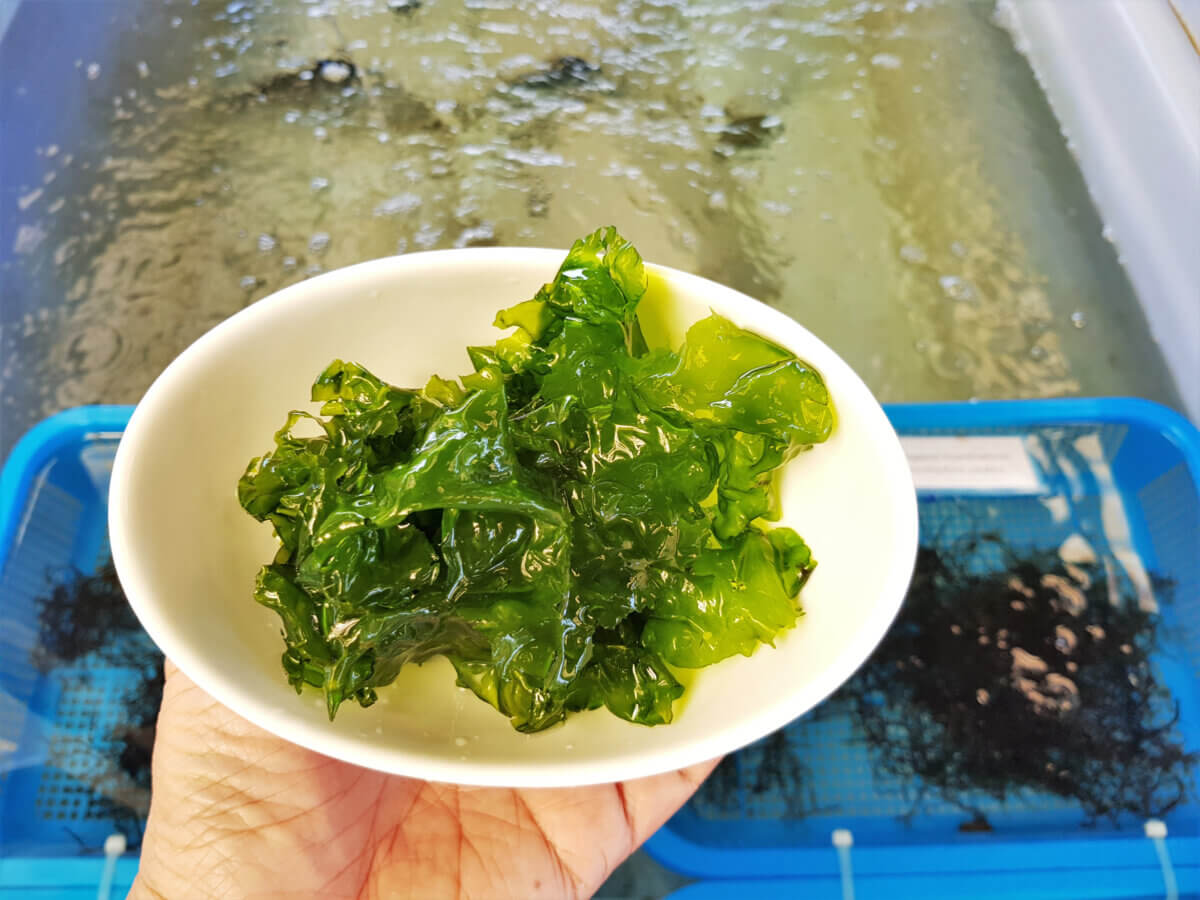
Sea lettuce, a type of macroalgae that grows on rocks in calm waters or floats freely on the surface, offers numerous advantages as a protein source. Unlike land-based crops, it requires no irrigation, fertilizers, or pesticides. Beyond protein, it contains other valuable nutrients, including vitamin B12 and omega-3 fatty acids similar to those found in oily fish. This makes it particularly interesting as a potential protein source for people following plant-based diets, who often need to seek out supplemental sources of B12.
The extraction process begins by using a surfactant called Triton X-114 to open up the seaweed’s cell membranes, allowing access to the fat-soluble proteins. The researchers then use an alkaline solution to extract the proteins, followed by acidification to cause the proteins to clump together and separate from the water. This method yielded significantly more protein than conventional techniques, with a total amino acid yield of 22.6%.
The extracted protein comes out as a dark green powder that could potentially be used in various food applications. The protein contains all essential amino acids and higher levels of lysine than previous extraction methods achieved. Additionally, the process co-extracts beneficial omega-3 and omega-6 fatty acids, enhancing the nutritional value of the final product.
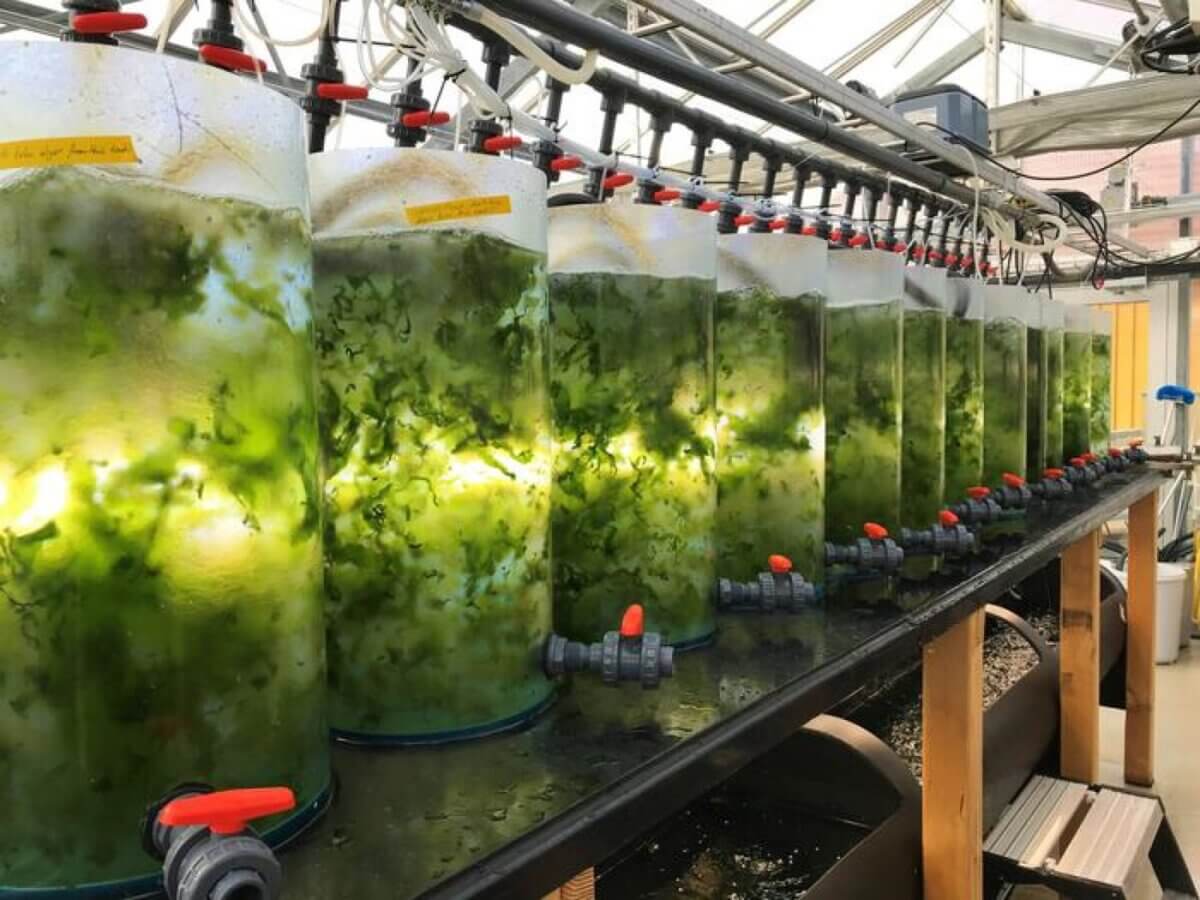
In parallel with this extraction research, scientists at Chalmers are collaborating with the University of Gothenburg to increase the actual protein content in the seaweed itself. By cultivating sea lettuce in processed water from the seafood industry, they can significantly increase its protein content while simultaneously recycling nutrients that would otherwise be lost.
The development comes at a crucial time in the search for sustainable protein sources. Traditional protein sources, both plant and animal-based, face increasing pressure as global protein demand rises. Seaweed farming offers a unique solution that not only provides protein but can also benefit marine environments by reducing ocean acidification, providing habitat for marine life, and protecting coastlines.
While the current method uses a laboratory-grade surfactant that isn’t yet food-safe, the research represents a significant step toward making seaweed protein extraction commercially viable. The researchers are already working on finding food-grade alternatives that could work similarly well.
“Humanity will need to find and combine the intake of many more diversified protein sources than we have available in our diet today, to meet sustainability and nutritional requirements,” says Professor Ingrid Undeland, coordinator of the CirkAlg project, in a university release. “Algae is a good addition to many of the products already on the market. We need all these solutions and so far, the sea-based possibilities, the so-called blue proteins, have been overlooked.”
Looking ahead, the researchers aim to utilize all parts of the algae, not just the proteins, for food, materials, or medical applications. Their goal is to achieve both sustainability and commercial viability by ensuring no molecules go to waste. This holistic approach to seaweed processing could help establish a new “blue-green” food industry, expanding our protein sources beyond traditional land-based options.
Paper Summary
Methodology
The researchers started with protein-enriched sea lettuce that had been cultivated in tanks with nutrient-rich water. They froze and minced the seaweed and then tested different extraction methods. The key innovation was using a surfactant called Triton X-114 in varying concentrations (0.1%, 0.5%, and 2%) to break open the cell structures, followed by an alkaline solution treatment. They then used acidification to recover the proteins. Throughout the process, they analyzed the material using various techniques, including microscopy, protein analysis, and fatty acid analysis, to understand exactly what was happening at each step.
Key Results
The new method achieved a total amino acid yield of 22.6% when using 0.1% Triton X-114, which was 3.4 times higher than the conventional method. The extracted protein had higher levels of essential fatty acids and lower ash content. The protein extracts contained all essential amino acids and had lysine levels above WHO/FAO recommendations. The method also co-extracted beneficial omega-3 and omega-6 fatty acids, making the final product more nutritionally valuable.
Study Limitations
The main limitation is that Triton X-114 is not food-grade, so alternatives would need to be found for commercial application. The process also left some surfactant in the final product, which would need to be addressed. The study was conducted on one specific species of seaweed (Ulva fenestrata), so the method’s effectiveness on other species remains to be tested.
Discussion & Takeaways
The study represents a significant advance in protein extraction from seaweed, potentially making seaweed protein production more commercially viable. The method’s success in extracting both water-soluble and membrane-bound proteins suggests new approaches for protein extraction from other plant sources. The co-extraction of beneficial fatty acids adds nutritional value to the final product. The research opens new possibilities for sustainable protein production that doesn’t require arable land, freshwater, or pesticides.
Funding & Disclosures
The study was supported by Formas and conducted within the projects ‘CirkAlg’ (Grant no. 2018-01839) and ‘A manual for the use of sustainable marine resources’ (Grant no. 2022-00331). Three of the authors (João P. Trigo, Ingrid Undeland, and Mehdi Abdollahi) have a patent pending related to this work through Chalmers Ventures AB.


