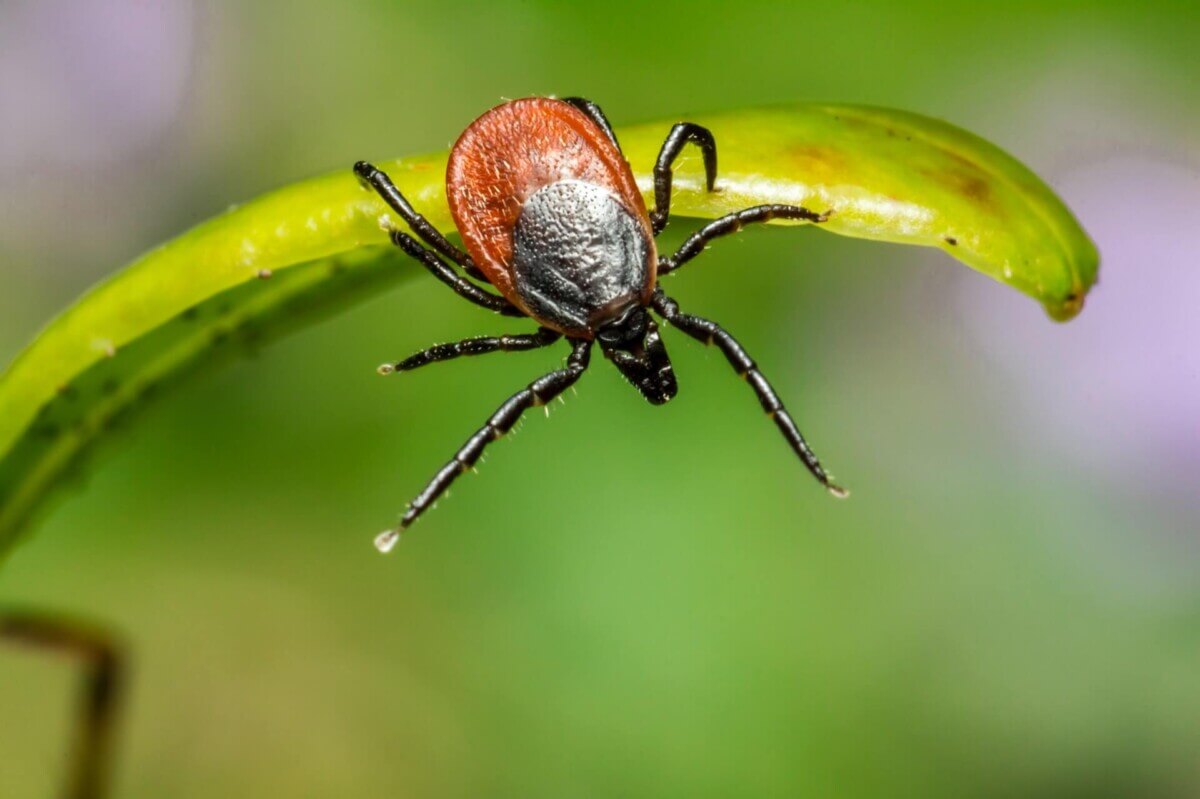
(Credit: Erik Karits from Pexels)
NEW HAVEN, Conn. — In a normal summer, ticks are a major concern for anyone hiking, camping, or just out for a walk in grassy areas. These disease-carrying pests spread the most common vector-borne illness in North America — Lyme disease. While this tick-borne disease can cause devastating side-effects if it goes untreated, researchers at Yale University have discovered a warning sign for Lyme inside the human body. Their study finds a particular protein may help create a defense against a Lyme infection before it’s too late.
Vector-borne diseases include any illness that stems from being bitten by mosquitoes, ticks, and fleas. In the case of Lyme disease, the infection tends to vary from person to person. Most cases of Lyme are mild and some may not even know they’re sick. The tell-tale sign you’ve been bitten by a tick is a bullseye-like rash at the sight of infection. These cases are usually treatable with antibiotics.
In more serious and untreated cases however, Lyme can spread to the heart, joints, nervous system, and other major organs. These patients can develop neurological problems, weeks or even months after infection. Serious side-effects include inflammation of the brain (meningitis), temporary paralysis of the face, and weakness in the limbs.
One protein sounds the alarm against Lyme
Researchers tested over 1,000 human genes placed in yeast and recorded their reactions with 36 samples of Borrelia burgdorferi. This spirochete (a spirally strain of bacteria) is what ticks that transmit Lyme disease carry in their bodies.
Out of all of those genes, one protein called Peptidoglycan Recognition Protein 1 (PGLYRP1) acted as an early warning signal from the immune system when it came into contact with the bacteria. After exposure to this Lyme-causing spirochete, mice without PGLYRP1 developed signs of immune system dysfunction. Their bodies also contained much more B. burgdorferi than mice protected by the protein.
“Stimulating the ability of people to make more of this protein could help fight infection,” says Yale professor of epidemiology Erol Fikrig in a university release.
Fikrig and his team are now investigating if people with more PGLYRP1 proteins are less susceptible to this particular bacterial infection. If so, it would help scientists explain why some people react better to a tick bite than others.
Of course, the best defense is to not encounter a tick at all. The Centers for Disease Control and Prevention recommend always spraying repellents on your clothing when outside and avoid tall, grassy and wooded areas.
The study appears in the journal PLOS Pathogens.


