(Photo by Alex Ghizila on Unsplash)
In A Nutshell
- Pink noise at 50 decibels reduced REM sleep by 19 minutes per night in healthy adults, potentially affecting memory and emotional processing
- Combining pink noise with traffic noise made sleep worse, not better, reducing both deep sleep and REM sleep while increasing time awake
- Standard foam earplugs recovered 72% of deep sleep lost to environmental noise and left participants feeling more rested than any other condition
- The findings raise concerns about widespread white noise machine use in baby nurseries, where REM sleep is critical for brain development
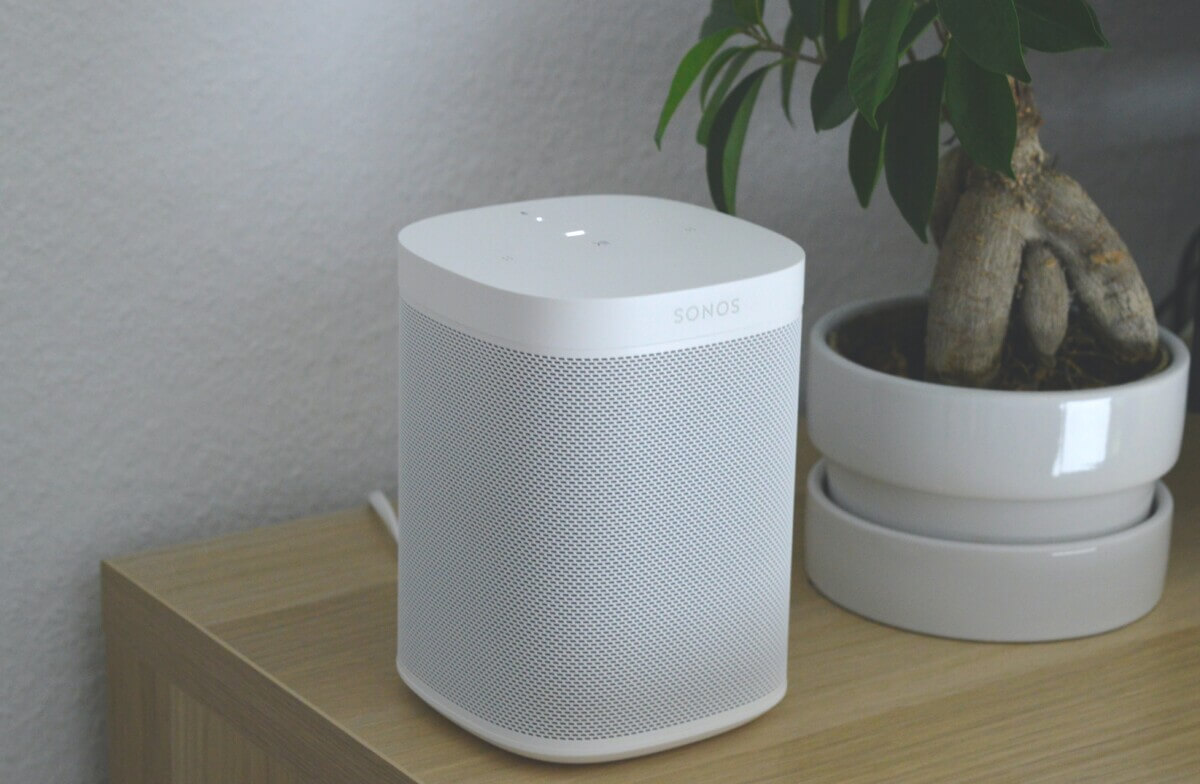
That white noise machine humming on your nightstand might be sabotaging the very sleep it promises to protect. A laboratory study published in the journal Sleep reveals that pink noise, a popular broadband sound used by millions, significantly disrupts REM sleep while offering little protection against disruptive environmental noise. The surprise winner for better sleep? Cheap foam earplugs that cost a few dollars.
Researchers at the University of Pennsylvania tested 25 healthy adults across seven nights and found that pink noise at 50 decibels reduced REM sleep by an average of 19 minutes per night. When combined with traffic noise, pink noise made sleep quality worse rather than better. Meanwhile, standard foam earplugs recovered about 72% of the deep sleep lost to environmental noise and left participants feeling significantly more rested.
The findings question a popular practice built on the assumption that constant background noise helps people sleep. Top white noise apps have received over a million reviews, while YouTube videos featuring these sounds have been viewed hundreds of millions of times. Yet the study suggests these widely trusted devices may be trading one sleep problem for another.
How Pink Noise and Earplugs Affect Sleep Quality
The research team recruited 25 healthy adults averaging 28.5 years old who had never used broadband sounds during sleep. Participants spent seven nights between November 2023 and June 2024 in acoustically isolated bedrooms. Each night brought different conditions: complete quiet, environmental noise alone, continuous pink noise alone, environmental noise combined with pink noise at two volumes, or environmental noise with foam earplugs.
During environmental noise nights, researchers played 93 traffic sounds throughout eight hours, including jets, helicopters, trains, and cars at maximum volumes ranging from 45 to 65 dBA. These levels mirror what people living near airports or busy roads experience in their bedrooms.
Environmental noise by itself primarily damaged deep sleep, the restorative stage when the body repairs tissues and consolidates memories. Participants lost an average of 23 minutes of this stage compared to quiet nights. Pink noise showed a different pattern. Rather than affecting deep sleep, the constant background sound specifically reduced REM sleep, the stage crucial for memory consolidation, emotional processing, and brain development.

The Difference Between Pink and White Noise
Pink noise and white noise are both types of broadband sound, meaning they contain all audible frequencies at once. The key difference lies in how energy is distributed across those frequencies. White noise delivers equal energy at every frequency, creating a hissing sound similar to television static or a constant “shhhh.” Pink noise, on the other hand, emphasizes lower frequencies while reducing higher ones, producing a deeper, softer sound often compared to steady rainfall or rustling leaves.
The two are remarkably similar because both create constant, non-repetitive backgrounds that can mask other sounds. Think of white noise as brighter and sharper, while pink noise is warmer and more balanced to human ears. For this study, researchers chose pink noise because some prior research suggested it might be more effective than white noise for promoting sleep, though both types are widely used in sound machines and apps. The study’s findings about REM sleep disruption likely apply to white noise as well, since both operate as continuous broadband sounds that may interfere with the brain regions responsible for REM sleep.
Pink Noise Combined with Traffic Noise Worsens Sleep
The researchers expected pink noise to mask disruptive traffic sounds, but combining the two backfired. Participants lost both deep sleep and REM sleep, spent more time awake, and showed worse overall sleep efficiency compared to environmental noise alone. While pink noise showed minor dose-dependent reductions in sleep fragmentation during actual traffic noise events, overall sleep structure still worsened when pink noise was added to environmental noise.
Earplugs delivered dramatically better results. Standard foam earplugs recovered 16.9 minutes of the 23.4 minutes of deep sleep lost to environmental noise. No sleep measurements differed significantly between earplug nights and perfectly quiet control nights. The earplugs effectively shielded sleep quality from noise events up to 55 dBA, though protection began declining at 65 dBA, the highest level tested.
Participants noticed the difference. After environmental noise nights, they reported feeling unhappier, more exhausted, and sleepier the next morning. They rated their sleep as worse than usual, shallower, and more disrupted. Earplug nights reduced many of these negative effects. When asked about comfort, 76% of participants rated the foam earplugs as very or somewhat comfortable, and 86% said they slept better wearing them.
The Concern for Babies and Brain Development
The reduction in REM sleep raised particular concerns for the researchers about broadband noise use among the youngest populations. REM sleep accounts for roughly 50% of sleep in newborns, gradually decreasing to adult levels around age three. Parents routinely place white noise machines in nurseries, believing they help babies sleep through the night.
“The common practice of parents to use broadband noise in the bedroom of their newborns and toddlers may be detrimental for neurodevelopment given the importance of REM sleep during the early stages of life,” the researchers wrote. The study did not test infants or children, and the authors emphasize that this concern is based on what is known about REM sleep’s role in brain development, not on direct evidence of harm from pink noise in young children.
Because REM sleep disruptions are associated with several psychiatric conditions including depression, post-traumatic stress disorder, and anxiety, as well as serving as an early biomarker for Parkinson’s disease and certain dementias, the authors argue that protecting REM sleep warrants caution when considering broadband noise use.
Why Different Noises Disrupt Sleep Differently
The study revealed that intermittent and continuous noise interfere with sleep through completely different brain mechanisms. Environmental noise activates brain pathways that jolt sleepers out of deep sleep in response to sudden sounds. Continuous pink noise appears to interfere with brain regions responsible for REM sleep, both making it more fragile during traffic sounds and preventing the brain from re-entering it after noise events ended.
What This Means for Sleep Quality
The research team acknowledged their findings come from short-term laboratory exposure and may not apply to long-term home use or different populations. They called for additional studies to identify optimal sound types and volumes, and emphasized the need for research on chronic exposure effects. Still, the laboratory-controlled comparison suggests that when noise threatens sleep, the simplest and cheapest solution outperforms the popular high-tech alternative.
Disclaimer: This article reports on a peer-reviewed scientific study and is intended for informational purposes only. It is not intended as medical advice, diagnosis, or treatment. Readers should consult with qualified healthcare professionals before making decisions about sleep aids, earplugs, or other interventions, particularly for infants and children. Individual sleep needs and responses to noise may vary.
Paper Notes
Study Limitations
The researchers acknowledged several limitations affecting how broadly these findings apply. This was a short-term study lasting only seven nights in 25 young, healthy adults who had never used broadband sounds during sleep before. Results may not generalize to longer exposure periods, older or younger populations, people with health conditions, or habitual broadband noise users. The laboratory speakers didn’t perfectly reproduce recorded sounds, especially at very low frequencies. REM sleep increased across study nights, possibly indicating either REM sleep pressure from selective deprivation or habituation to pink noise, though the study design couldn’t distinguish between these possibilities. The researchers tested pink noise but not other broadband sound types like white, brown, or blue noise, or nature sounds. Cognitive and physiological measurements showed no differences between conditions, possibly because participants still averaged seven hours of sleep even on the worst nights.
Funding and Disclosures
This research was funded by the U.S. Federal Aviation Administration Office of Environment and Energy through ASCENT, the FAA Center of Excellence for Alternative Jet Fuels and the Environment, project 86 through FAA Award Number 13-C-AJFE-UPENN under the supervision of Susumu Shirayama. The authors state that any opinions, findings, conclusions or recommendations expressed in the material are those of the authors and don’t necessarily reflect the views of the FAA. One author, Magdy Younes, developed and has a patent on the odds ratio product (ORP) technology used to measure sleep depth in the study, though ORP analysis is provided free of charge for academic research. Otherwise, authors reported no financial conflicts of interest.
Publication Details
Authors: Mathias Basner, Michael G. Smith, Makayla Cordoza, Matthew S. Kayser, Michele Carlin, Adrian J. Ecker, Yoni Gilad, Sierra Park-Chavar, Ka’alana Rennie, Victoria Schneller, Sinead Walsh, Haochang Shou, Quy Cao, Magdy Younes, Daniel Aeschbach, and Christopher W. Jones | Author Affiliations: Department of Psychiatry, Unit for Experimental Psychiatry, Division of Sleep and Chronobiology, University of Pennsylvania Perelman School of Medicine (Basner, Kayser, Carlin, Ecker, Gilad, Park-Chavar, Rennie, Schneller, Walsh, Jones); School of Public Health and Community Medicine, Institute of Medicine, Sahlgrenska Academy, University of Gothenburg, Sweden (Smith); School of Nursing, Vanderbilt University (Cordoza); Department of Biostatistics, Epidemiology, and Informatics, University of Pennsylvania Perelman School of Medicine (Shou, Cao); Sleep Disorders Centre, University of Manitoba, Canada (Younes); Institute of Aerospace Medicine, German Aerospace Center, Germany (Aeschbach) | Journal: Sleep, advance access publication February 2, 2026 | Paper Title: “Efficacy of pink noise and earplugs for mitigating the effects of intermittent environmental noise exposure on sleep” | DOI: 10.1093/sleep/zsag001 | Submission and Acceptance Dates: Submitted September 8, 2025; Revised December 2, 2025; Accepted January 1, 2026 | Clinical Trial Registration: NCT05774977 at clinicaltrials.gov | Open Access: This is an Open Access article distributed under the terms of the Creative Commons Attribution-NonCommercial License, which permits non-commercial re-use, distribution, and reproduction in any medium, provided the original work is properly cited.


