(Photo by Alex Negroe from Pexels)
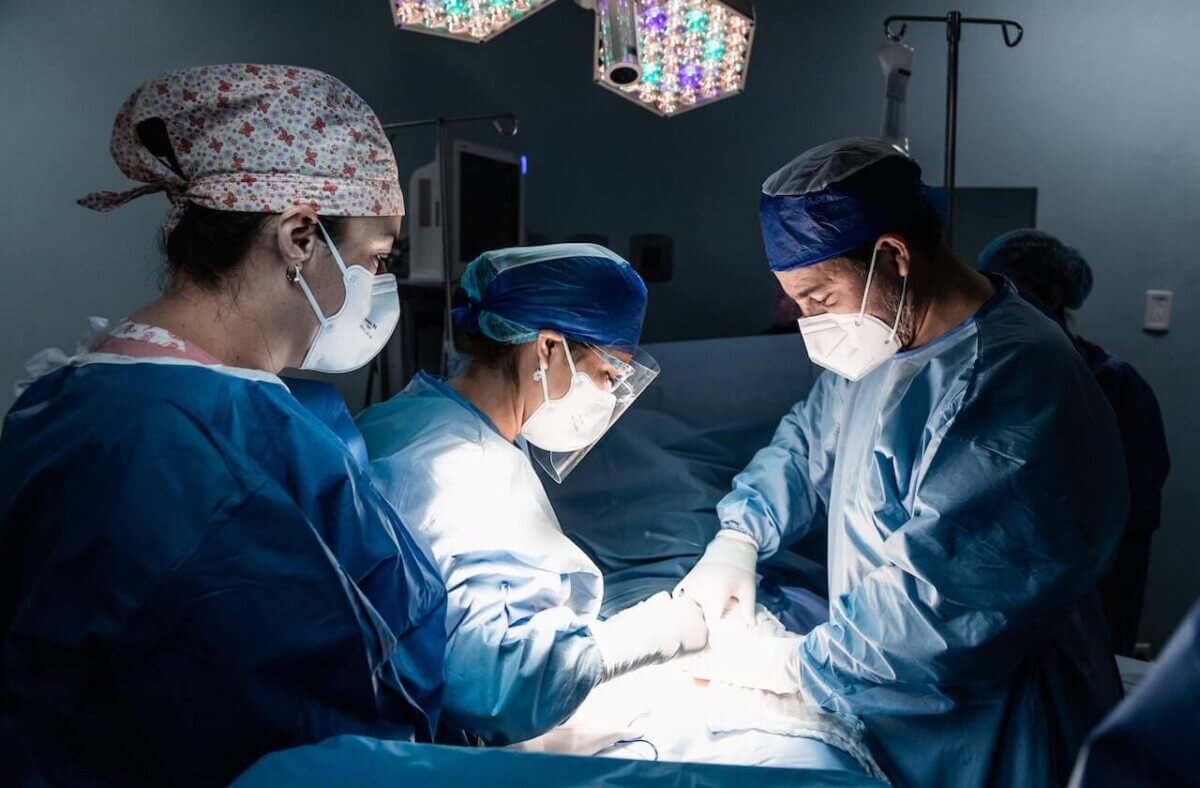
DETROIT — The future of heart surgery could come from a 70-year-old procedure. Interventional cardiologists, William O’Neill, M.D., and Khaldoon Alaswad, M.D., from Henry Ford Health, have performed an open-heart surgery inspired by a procedure doctors used in the 1950s to treat a patient with severe heart disease.
The patient, 60-year-old Fred Casciano from Traverse City, is the first patient to ever receive the groundbreaking procedure.
“This new procedure we specifically engineered for Fred has never been done before but it replicates a bypass operation performed in the 1950s,” says Dr. O’Neill, director of the Henry Ford Center for Structural Heart Disease, in a media release. “It opens the door for non-surgical treatment of thousands of patients who cannot have stents or open-heart revascularization procedures.”
Thousands of patients in the United States undergo open heart surgery or stent placement each year. While many heart disease patients have these options and others available to them, there are still several people who aren’t able to receive them because their arteries are too small or damaged for current treatments to be effective.
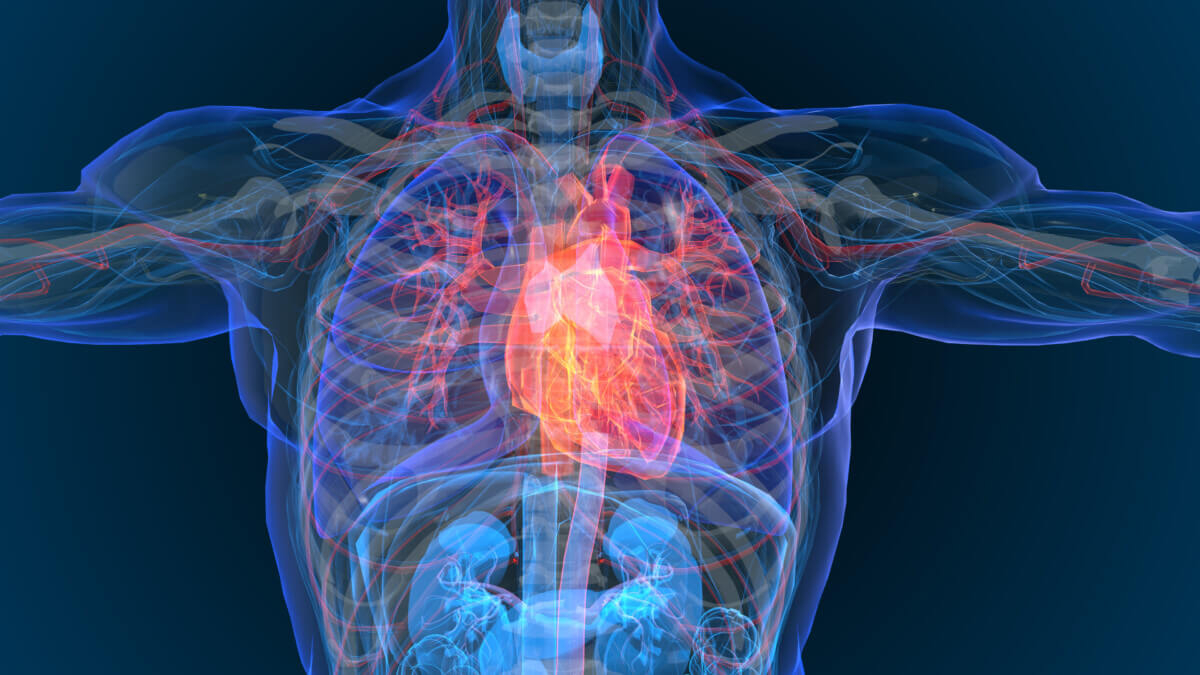
Originally, the procedure required two operations and involved placing a bypass into the main vein in the heart known as the coronary sinus. The bypass allows for blood flow to be directed to the healthy vein. The second part of the surgery took place a month later, which doctors consider risky. Modern medicine replaced this method with a common surgery called a coronary artery bypass graft (CABG), in the 1970s.
To help Casciano, O’Neill and Alaswad attempted to re-create the original operation without using the open-heart method. During a cath lab procedure, they created a channel between Casciano’s circumflex artery and his coronary sinus, and it was successful. Dr. O’Neill explains that more extensive testing will be done to assess the effectiveness over time.
“I trust Dr. O’Neill and Dr. Alaswad and their team with my life,” Casciano said just a day after the surgery.
The procedure was three hours long and required a one-night stay in the hospital before heading home. He is recovering well and getting back to his daily life.
“I don’t stop. I just keep going. I can’t sit still,” says Casciano.
Heart disease remains the number one cause of death in the United States, so having as many available treatments as possible is imperative.
“It’s an exciting breakthrough that we hope will allow us to treat many more patients with this condition in the future,” concludes Dr. Alaswad, medical director of the Cardiac Catheterization Laboratory at Henry Ford Hospital in Detroit.


