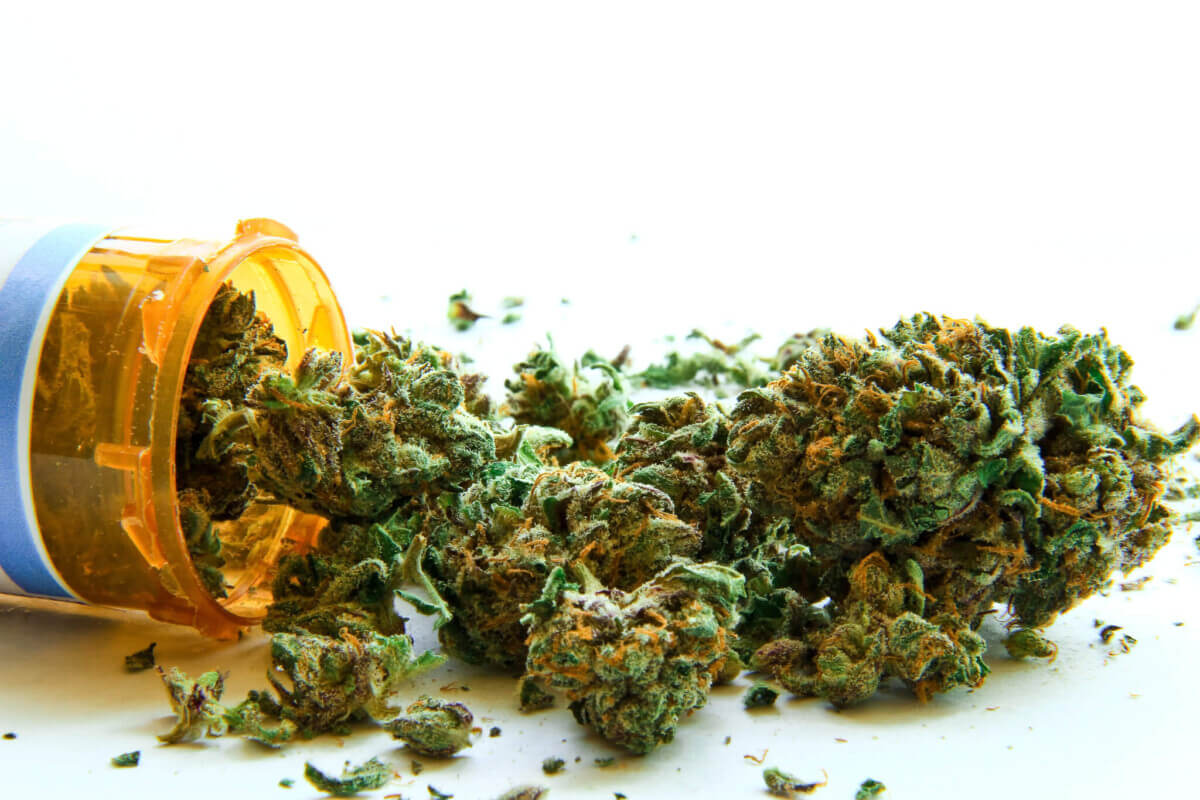
(© Atomazul - stock.adobe.com)
BOSTON, Mass. — Medical marijuana fails to improve symptoms of pain, anxiety, and depression — while increasing the risk that patients will develop an addiction to cannabis, a new study warns. Researchers from Massachusetts General Hospital add that up to one in five users may develop cannabis use disorder (CUD).
The findings come from a review of medical marijuana card holders in the United States. A growing number of states now allow the use and sale of medical marijuana to help alleviate the symptoms of conditions including epilepsy, multiple sclerosis, and the side-effects from chemotherapy.
“There have been many claims about the benefits of medical marijuana for treating pain, insomnia, anxiety and depression, without sound scientific evidence to support them,” says Professor Jodi Gilman in a media release.
“In this first study of patients randomized to obtain medical marijuana cards, we learned there can be negative consequences to using cannabis for medical purposes. People with pain, anxiety or depression symptoms failed to report any improvements, though those with insomnia experienced improved sleep.”
Those with anxiety or depression were most vulnerable to CUD, a discovery Prof. Gilman describes is “particularly disturbing.” The team notes that these are also the most common conditions patients seek a medical cannabis prescription to treat.
Does the medical marijuana prescription system need an overhaul?
The findings suggest the need for stronger safeguards over dispensing and tracking of patients, the MGH team says. In the U.S., medical cannabis cards require written approval of a licensed doctor who is typically not the patient’s primary care provider. They may provide authorization with only a cursory examination, no recommendations for alternative treatments, and no follow-up. In fact, the industry functions outside regulatory standards that apply to most fields of medicine.
In the trial, Prof. Gilman and colleagues recruited 269 adults from Boston interested in obtaining an MMC. Study authors split the participants into two groups, with one having access to marijuana immediately and the second having to wait — acting as a control. Over the next 12 weeks, the risk of developing CUD nearly doubled among the people getting immediate access to medical marijuana.
By the end of the trial, doctors diagnosed one in 10 with addiction. That number rose to 20 percent among participants seeking a card for anxiety or depression.
“Our study underscores the need for better decision-making about whether to begin to use cannabis for specific medical complaints, particularly mood and anxiety disorders, which are associated with an increased risk of cannabis use disorder,” Prof. Gilman says.
“There needs to be better guidance to patients around a system that currently allows them to choose their own products, decide their own dosing, and often receive no professional follow-up care.”
The study findings are published in JAMA Network Open.
South West News Service writer Mark Waghorn contributed to this report.


