(© vchalup - stock.adobe.com)
WASHINGTON — Long COVID symptoms like brain fog or lingering heart issues are becoming common ailments coronavirus patients deal with after their infection. Now, doctors fear infertility could be a new problem long COVID patients experience. Researchers in India have found that male fertility issues may occur post-COVID infection as well.
Scientists say their findings suggest even mild-to-moderate cases of COVID-19 can result in detrimental protein-level changes in relation to male reproductive functions. These findings are preliminary, but no less concerning. While studies show the SARS-CoV-2 virus mostly targets on the human body’s respiratory system, it’s also clear that our immune response to infection can wreak havoc all over the body. Prior research has also suspected that men may face fertility issues after recovering from the illness, with scientists finding the coronavirus in male reproductive organs.
So, Firuza Parikh and Rajesh Parikh at Jaslok Hospital, Sanjeeva Srivastava at the Indian Institute of Technology and their colleagues set out to determine if COVID-19 can really cause long-term changes in male reproductive functioning. To that end, the team compared protein levels within the semen of men from two groups: Healthy men who never had COVID-19 and men who recovered from a mild or moderate bout with the virus.
More specifically, scientists analyzed semen samples from 10 healthy men and 17 men who had recently recovered from COVID-19. All participants were between the ages of 20 and 45 years-old, and none had any prior history of fertility issues.
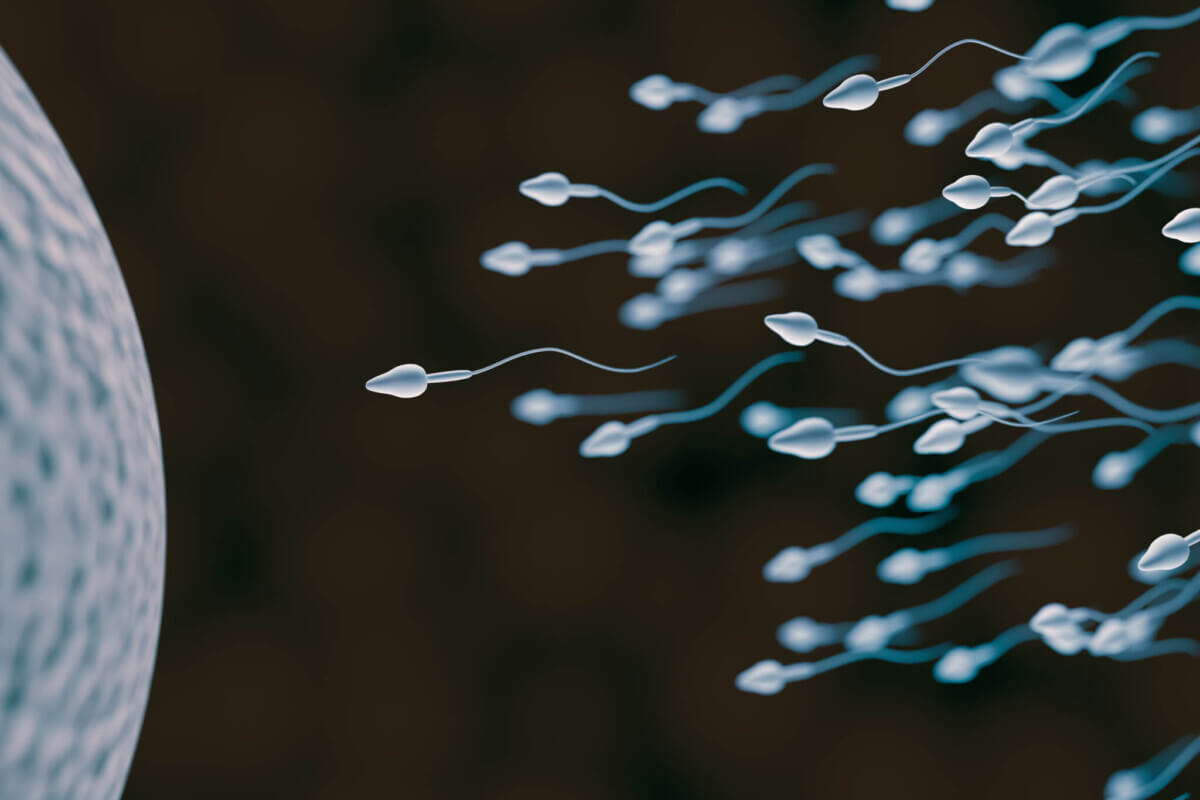
The men who had recovered from COVID-19 showed a significantly lower sperm count and reduced sperm motility in comparison to the others. Additionally, these men also had fewer “normally shaped sperm.”
COVID has a wide-ranging impact on reproduction
When scientists analyzed semen proteins using liquid chromatography-tandem mass spectrometry, they noted 27 proteins at higher levels and another 21 proteins at lower levels among recovering COVID patients in comparison to the control group. Many of those proteins are directly involved in reproductive function, study authors say.
For example, men who recovered from COVID displayed much lower levels within their semen (less than half) of two specific fertility-related proteins (semenogelin 1 and prosaposin) in comparison to the control group.
All in all, the research team says this work strongly indicates SARS-CoV-2 indeed inflicts direct or indirect changes on male reproductive health, with the effects lingering long after recovery. Additionally, this research may help answer questions regarding the pathophysiology of human reproduction in recovered men.
What’s the next step? Study authors are hoping further studies will feature larger groups to confirm these initial results. It would also be helpful to include a control group of men who recently recovered from other flu-like illnesses in future projects as well. That will ensure future findings are relevant to COVID-19 specifically.
The study is published in ACS Omega.


