
(9dream studio/Shutterstock)
In A Nutshell
- People judge how much progress they’ve made on a goal based more on how enjoyable the activity felt than on how long they spent doing it.
- In a field study, gym-goers who walked slower with music felt they made more progress and were more motivated to return than those who walked faster without it, despite burning fewer calories.
- Simply adding music, fun visuals, or other enjoyable elements to a goal-related activity can boost perceived progress and motivation, even when the actual work output stays the same.
- The brain’s default bias toward enjoyment over time can be shifted with targeted messaging that reminds people that effort and duration are what drive real results.
Adding music to a workout, fun images to a study app, or a more engaging format to a skill-building task isn’t just a nice perk. According to new research, it may be a surprisingly effective way to boost motivation and keep pushing toward a goal.
A series of nine studies from researchers at Cornell University and the London School of Economics found that people judge their perceived progress toward goals based far more on how enjoyable an activity feels than on how long they spent doing it. That perception of progress is what keeps people motivated. More enjoyment leads to a stronger sense of accomplishment, and that sense of accomplishment is what drives people to keep going, whether the goal is fitness, academics, or building a new skill.
The research, published in the Journal of the Association for Consumer Research, also carries a message for anyone designing apps, fitness programs, or workplace training: if the goal is to keep people engaged over time, making the experience more fun may matter more than making it longer.
How Enjoyment Shapes Goal Progress Perceptions
To understand the finding, it helps to know that people carry informal mental rules about what progress looks like. Researchers call these “lay theories,” basically the everyday beliefs people use to make sense of the world. Most people hold two at once: that spending more time on something produces results, and that enjoying something means it’s working.
These beliefs don’t carry equal weight. When both enjoyment and time are present as signals, enjoyment consistently wins. Part of the reason is that time is genuinely difficult to evaluate. There’s no internal reference point for what counts as “a lot” of time on any given task. Enjoyment is immediate and easy to read. Positive feelings tend to draw attention toward the benefits of an experience and away from its limitations, and time invested is one of those factors that gets overshadowed.
The Science Behind Enjoyment and Motivation
Four separate observational studies tracked people pursuing real goals. Gym-goers at a university campus, students studying for finals, and professionals working toward career goals all reported their enjoyment, how long they spent on the activity, and how much progress they felt they’d made. Across all four groups, enjoyment was a dramatically stronger predictor of perceived progress than time, and the pattern held whether the goal was tracked over a single gym session or an entire month.
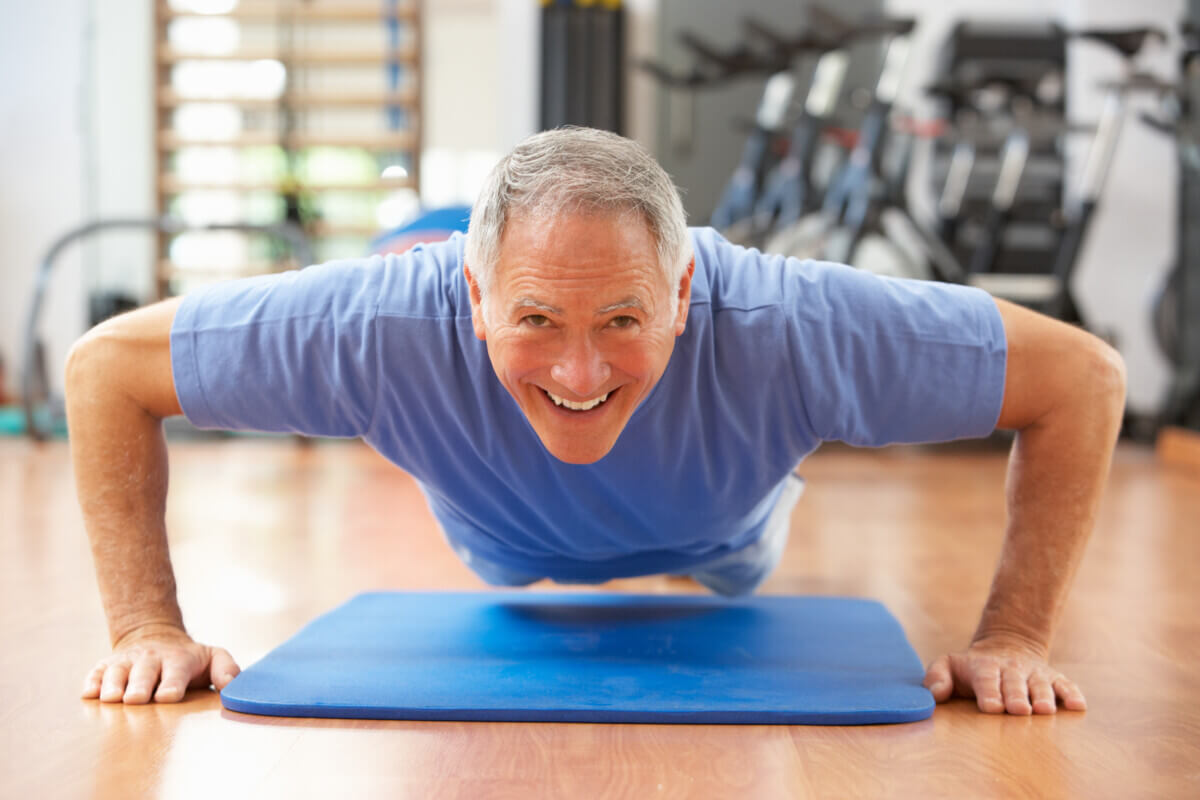
A field study made the connection between enjoyment, perceived progress, and motivation especially direct. Researchers assigned 121 gym-goers to walk on a treadmill for seven minutes under two conditions. One group walked at a brisk 3.5 mph without music or video. The other walked slower, at 2.5 mph, while watching and listening to a music video playlist on an iPad. Research assistants covered the treadmill controls so participants couldn’t see their speed or any metrics.
The slower, music-watching group actually burned fewer calories, around 31 compared to roughly 38 for the faster group. But they felt they had made more progress, believed they had burned more calories, and reported significantly greater motivation to return for future workouts. Statistical analysis confirmed that this motivational boost came specifically through participants feeling they had accomplished more during the workout, not simply because the music put them in a better mood.
Enjoyment Boosts Goal Motivation Across Different Activities
The effect holds well beyond the gym. A supplemental study had participants with a goal to learn German complete a vocabulary task. One group saw fun images alongside the words; the other saw the words alone. Both groups spent the same amount of time on the task, but those in the image group felt they had made greater progress on their language goal.
This consistency across settings, from the gym to the study room to the computer screen, points to something fairly deep in how people assess their own effort. People appear to use enjoyment as a proxy for effectiveness, drawing on a widely held belief that positive experiences and productive ones go hand in hand. Fitness brands have long leaned into this. Peloton’s “Motivation that moves you” and Duolingo’s “Free, Fun, Effective” both tap into the same intuition the researchers identified in the lab.
The research also showed that this default toward enjoyment can be interrupted with the right messaging. In a controlled study of 402 online participants, those who read a fitness trainer’s testimonial emphasizing that time investment drives real results became significantly more likely to choose a longer, less enjoyable workout over a shorter, more enjoyable one. Only about 20% chose the longer class by default. After reading time-focused messaging, that share climbed to 33%. When the messaging also raised doubts about whether fun reliably signals results, it climbed further to about 54%. These were experimental conditions designed to test whether messaging could shift the brain’s default calculus, not real-world ad campaigns, but the size of the shift was notable.
For anyone trying to build a lasting habit, the practical takeaway is direct. Adding music to a run, using a more engaging study method, or finding a way to make a repetitive task feel less like a grind can meaningfully increase motivation to stick with it. Not because those additions make the work easier, but because they change how the brain scores the experience afterward, and that score is what determines whether someone shows up again tomorrow.
Disclaimer: This research is based on observational and controlled experimental studies. Findings reflect perceived progress and motivation in structured settings and should not be interpreted as medical or fitness advice. Individual results may vary.
Paper Notes
Limitations
The studies relied primarily on self-reported measures of enjoyment and perceived progress, which can be influenced by how participants recall their experiences. While field studies introduced objective measures such as actual calories burned and recorded workout duration, most evidence rests on participants’ own assessments. The research focused largely on fitness, academic, and career goals, and it remains unclear how these patterns might apply to other types of goal pursuit. The researchers note that time-based thinking may be more chronically active among people who experience strong time pressure in daily life. Sample populations were drawn primarily from university settings and online participant pools such as Prolific, which may not fully represent the general public.
Funding and Disclosures
This research was supported by a grant to third author Kaitlin Woolley from the Cornell Center for Social Sciences. The paper reports no conflicts of interest.
Publication Details
Authors: Yuchen Wu (Cornell SC Johnson College of Business, Cornell University), Laura M. Giurge (London School of Economics and Political Science), and Kaitlin Woolley (Cornell SC Johnson College of Business, Cornell University). | Journal: Journal of the Association for Consumer Research, published by The University of Chicago Press. | Paper Title: “The Role of Time and Enjoyment in Consumers’ Goal Progress Perceptions” | DOI: https://doi.org/10.1086/740286 | Status: Accepted manuscript; the completed version of record is forthcoming. Copyright 2026 Association for Consumer Research.


